Stainless steel tubes and pipes are used in everything from food processing plants and pharmaceutical facilities to water treatment systems, industrial manufacturing, and construction projects. Yet many purchasing mistakes still happen because buyers misunderstand specifications, standards, dimensions, or supplier requirements.
If you've ever been confused by terms such as OD, NPS, DN, Schedule 40, ASTM A312, sanitary tubing, or seamless pipe, you're not alone. Selecting the wrong product can lead to unnecessary costs, compliance issues, installation problems, or premature failure.
This guide is designed to simplify the entire process. Whether you are an engineer, procurement manager, distributor, contractor, or first-time buyer, you'll learn how stainless steel tubes and pipes are classified, how specifications are interpreted, how standards affect purchasing decisions, and how to evaluate suppliers with confidence.
By the end of this guide, you'll understand how to compare materials, read specifications, select the right product, evaluate pricing, and make better sourcing decisions for any stainless steel tube or pipe project.
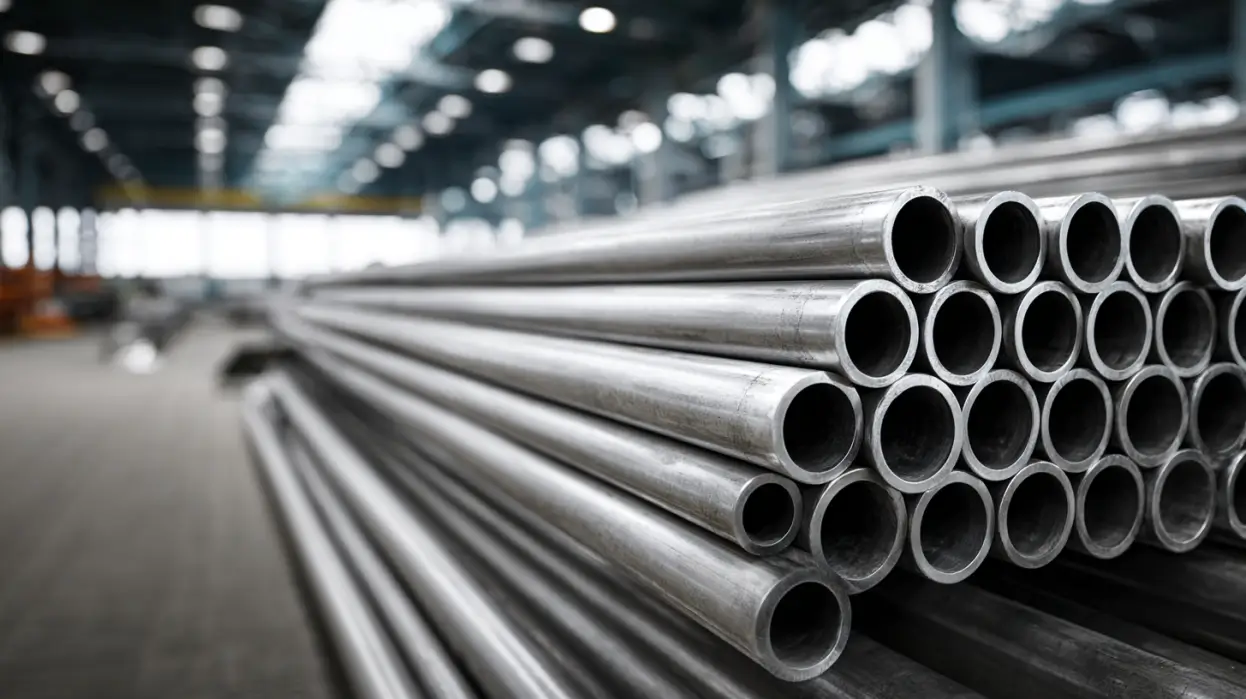
Before selecting a stainless steel product for a project, it is important to understand the fundamental differences between tubes and pipes. Although the two terms are often used interchangeably in everyday conversation, they serve different purposes in engineering, manufacturing, construction, and industrial applications.
Getting this distinction right at the start of a project avoids costly specification errors.
A stainless steel tube is a hollow metal product primarily designed for structural, mechanical, architectural, or precision applications. Tubes are typically specified using exact outside dimensions and wall thicknesses, making dimensional accuracy one of their most important characteristics.
Unlike pipes, which are generally intended for fluid transport, tubes are often selected based on their shape, appearance, strength, and fabrication requirements. Stainless steel tubes can be manufactured in a range of stainless steel tube shapes — round, square, rectangular, oval, and other specialty profiles, depending on the application.
Common applications of stainless steel tubes include:
Because tubes are dimensionally precise, engineers and fabricators can achieve tighter tolerances, better fitment, and more consistent performance in finished assemblies.
A stainless steel pipe is a hollow cylindrical product primarily designed for transporting fluids, gases, steam, chemicals, and other process media. Pipes are generally specified according to nominal pipe size (NPS), diameter, and schedule rather than exact external dimensions.
The primary purpose of a pipe is flow efficiency and pressure containment. As a result, most stainless steel pipes are round in shape because a circular cross-section provides the most efficient flow characteristics while evenly distributing internal pressure.
These types of stainless steel pipe are commonly used in::
In these applications, factors such as pressure rating, corrosion resistance, temperature capability, and compliance with industry standards often take priority over appearance or structural considerations.
Although tubes and pipes may appear similar, they are designed and specified differently.
| Feature | Stainless Steel Tube | Stainless Steel Pipe |
|---|---|---|
| Primary Function | Structural and mechanical applications | Fluid and gas transport |
| Shape Options | Round, square, rectangular, oval, custom profiles | Primarily round |
| Dimensioning Method | Exact OD and wall thickness | Nominal Pipe Size (NPS) and Schedule |
| Focus | Strength, fabrication, appearance, precision | Flow capacity and pressure handling |
| Common Standards | ASTM A554, ASTM A269, ASTM A270 | ASTM A312, ASTM A778, ASTM A358 |
| Typical end use | Handrails, heat exchangers, frames | Process piping, water, gas lines |
A simple way to remember the difference is:
If the primary concern is structure, fabrication, or appearance, you are usually looking for a tube. If the primary concern is transporting liquids or gases, you are usually looking for a pipe.
However, there are exceptions. Some sanitary tubing systems transport fluids while still being classified as tubes because they require extremely precise dimensions and surface finishes. The practical distinctions between stainless steel pipe and tube — including differences in wall thickness, pressure ratings, and sizing standards — are worth understanding in full before finalizing any specification.
Before moving into dimensions and specifications, buyers should become familiar with several key industry terms that frequently appear in product catalogs, quotations, and technical documents.
Understanding these terms will make it much easier to interpret product specifications, compare supplier quotations, and communicate accurately with manufacturers and distributors.
Now that the basic terminology is clear, the next step is understanding why stainless steel has become one of the most widely used materials for tubes and pipes across virtually every major industry.
Stainless steel has become one of the most widely specified materials for tubes and pipes because it offers a unique combination of corrosion resistance, mechanical strength, hygiene, and long-term durability. While alternative materials such as carbon steel, galvanized steel, copper, PVC, and aluminum each have their own advantages, stainless steel often provides the best balance of performance and lifecycle value across a wide range of industries.
From food processing facilities and pharmaceutical plants to commercial buildings, water treatment systems, and industrial manufacturing operations, stainless steel tubes and pipes are trusted to perform in demanding environments where reliability is critical.
Understanding why stainless steel is preferred helps buyers make more informed material selection decisions and evaluate whether the higher initial investment is justified for their specific application.

The primary reason stainless steel is used in tube and pipe systems is its exceptional resistance to corrosion.
Unlike ordinary carbon steel, stainless steel contains chromium, which reacts with oxygen in the atmosphere to form an extremely thin protective layer known as the passive oxide film. This invisible layer continuously repairs itself when damaged, protecting the underlying metal from rust and environmental attack.
As a result, stainless steel can withstand exposure to:
This corrosion resistance significantly reduces maintenance requirements and extends service life compared to many alternative materials.
For applications involving aggressive chemicals, seawater exposure, or chloride-rich environments, selecting the appropriate stainless steel grade becomes critical. More advanced grades provide enhanced protection in particularly demanding conditions.
Stainless steel tubes and pipes offer excellent mechanical properties that allow them to perform reliably under both structural and pressure-related loads.
Compared with many non-metallic materials, stainless steel provides:
These characteristics make stainless steel suitable for applications involving vibration, cyclic loading, thermal expansion, and mechanical stress.
In structural applications, stainless steel tubes can support significant loads while maintaining dimensional stability. In process piping systems, they can safely transport fluids under elevated pressure and temperature conditions.
The combination of strength and corrosion resistance allows stainless steel to maintain its performance for decades with minimal degradation.
Many industries choose stainless steel because of its hygienic surface characteristics.
The smooth, non-porous surface of stainless steel prevents bacteria, mold, and contaminants from becoming trapped within the material. This makes cleaning easier and helps facilities maintain strict sanitary standards.
Industries that rely heavily on stainless steel tubing and piping include:
In these environments, cleanability is just as important as corrosion resistance. Stainless steel's ability to withstand frequent cleaning, sanitization, and sterilization procedures makes it an ideal material for hygienic systems.
This is one of the reasons stainless steel remains the dominant material in sanitary processing equipment worldwide.
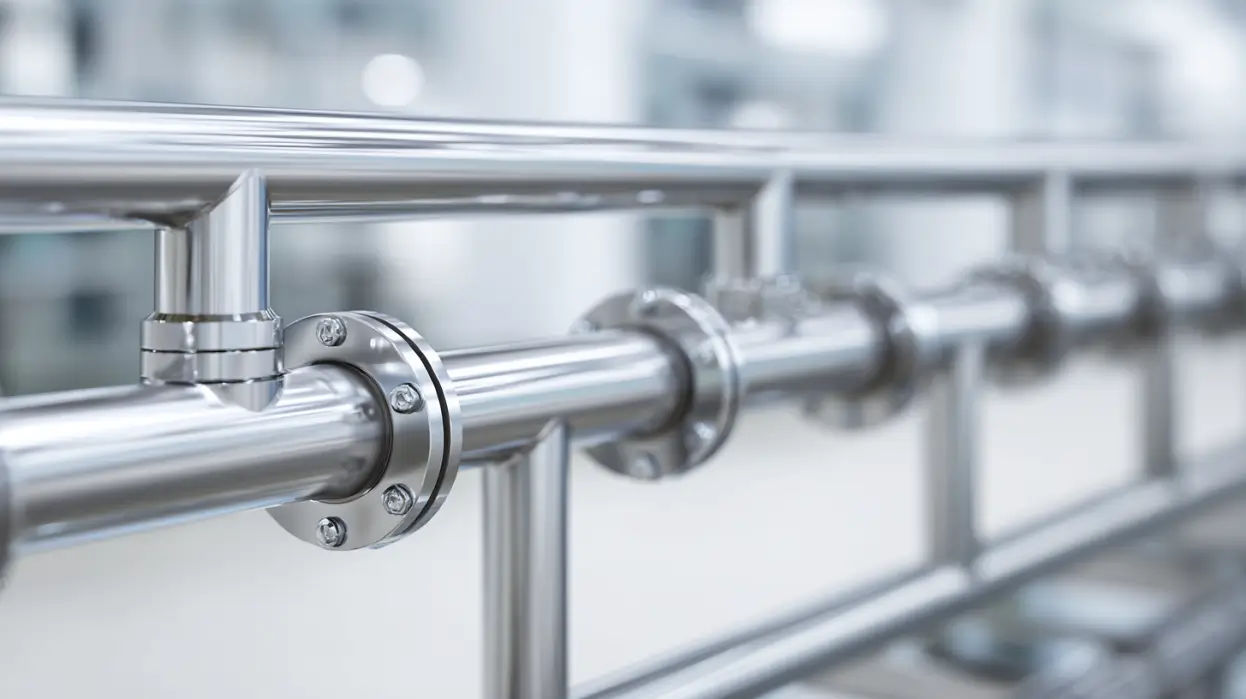
Another important advantage of stainless steel is its ability to perform across a wide temperature range.
Many stainless steel tube and pipe systems operate in environments involving:
Unlike some plastic materials, stainless steel maintains its structural integrity at elevated temperatures and does not become brittle in cold environments.
In many building and industrial applications, stainless steel also provides improved fire resistance compared to non-metallic alternatives. This contributes to safer system design and can help meet project compliance requirements.
Sustainability has become an increasingly important consideration in material selection, and stainless steel performs exceptionally well from an environmental perspective.
Stainless steel is:
Because stainless steel systems often remain in service for decades, fewer replacements are required over the lifetime of a facility. This reduces material consumption, maintenance activities, and waste generation.
At the end of its service life, stainless steel can be fully recycled without losing its valuable properties, supporting circular economy initiatives and sustainable construction practices.
One of the most common misconceptions about stainless steel is that it is simply an expensive material.
While stainless steel often carries a higher initial purchase cost than carbon steel, galvanized steel, or PVC, total ownership costs frequently tell a different story.
Over the lifetime of a system, stainless steel can reduce costs through:
For critical infrastructure, industrial facilities, and high-performance applications, these long-term savings often outweigh the higher upfront investment.
This is why engineers and procurement teams increasingly evaluate materials based on lifecycle cost rather than purchase price alone.
| Selection Factor | Stainless Steel | Carbon Steel | Galvanized Steel | PVC |
|---|---|---|---|---|
| Corrosion Resistance | Excellent | Poor | Moderate | Excellent |
| Mechanical Strength | Excellent | Excellent | Good | Low |
| Service Life | Very Long | Moderate | Moderate | Moderate |
| Hygiene | Excellent | Poor | Poor | Good |
| Fire Resistance | Excellent | Excellent | Excellent | Poor |
| Recyclability | Excellent | Excellent | Good | Limited |
| Maintenance Requirements | Low | High | Moderate | Low |
As this comparison shows, stainless steel consistently performs well across multiple criteria, making it one of the most versatile and reliable materials available for tube and pipe systems.
Now that we understand why stainless steel is so widely used, the next step is comparing it directly against alternative pipe materials to determine when it is the best choice—and when another material may be more suitable for a specific application.
When selecting a material for tubing or piping, understanding how stainless steel compares to alternative materials is essential for making informed decisions. Stainless steel is widely used across industries, but buyers often evaluate its performance, cost, and suitability relative to other metals and plastics, including carbon steel, galvanized steel, copper, aluminum, and PVC.
Carbon steel pipe is significantly cheaper and available in a broader range of sizes and schedules. It is the standard choice for high-pressure, high-temperature service in oil and gas, power generation, and heavy industrial applications where the piping is internally protected (e.g., lined or coated) or the transported medium is non-corrosive.
Stainless steel is preferred where internal corrosion is a concern, where regulatory requirements demand high purity (pharmaceutical, food), or where the piping will be exposed to external corrosive environments. The higher cost of stainless steel versus carbon steel is justified most clearly in applications where coating maintenance or replacement is expensive or disruptive. The full cost and performance tradeoffs between these two materials depend heavily on operating environment and lifecycle expectations.
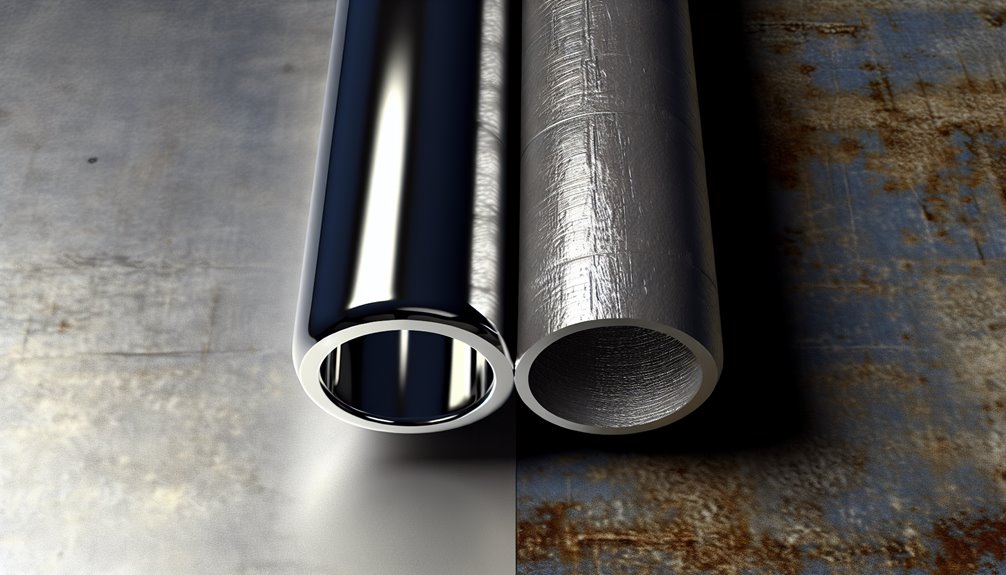
Galvanized steel pipe — carbon steel pipe coated with a zinc layer — was historically used for water distribution and structural applications. The zinc coating provides reasonable corrosion protection in benign environments, but it degrades over time, is vulnerable to acidic conditions, and can introduce zinc particulates into transported water.
Stainless steel offers superior and permanent corrosion resistance without the coating degradation risk. Choosing between galvanized and stainless steel pipe comes down to longevity requirements, water quality standards, and total cost over the system's service life.compliance is a priority.
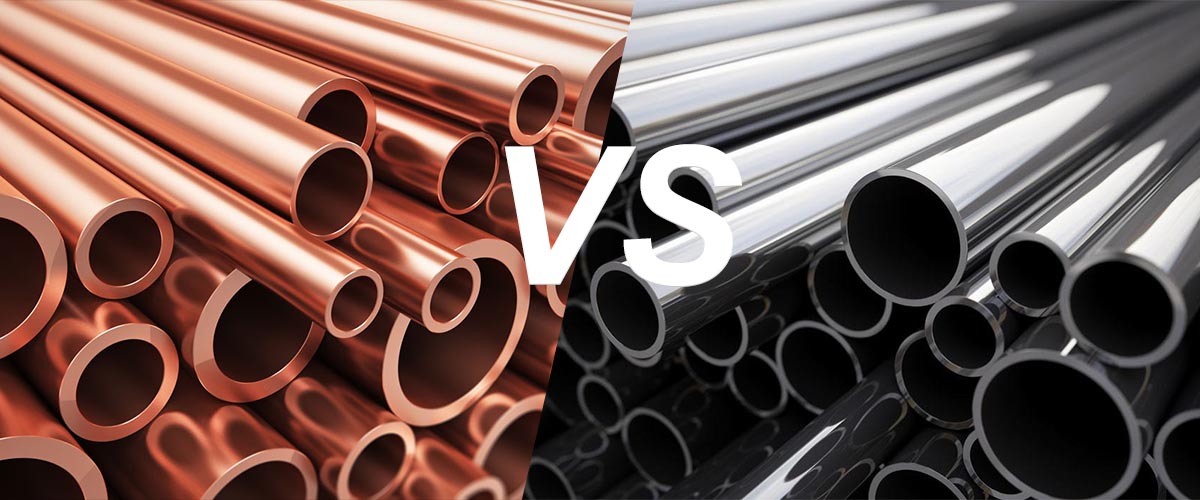
Copper has been the dominant material for domestic plumbing, refrigeration, and HVAC applications for decades. It is easy to work with, has excellent heat transfer properties, and has an established installation infrastructure. However, copper is vulnerable to aggressive water chemistry (particularly low-pH or high-velocity water), dezincification in certain alloys, and pitting from chlorides at elevated temperatures.
Stainless steel outperforms copper in applications involving aggressive water, higher pressures, or elevated temperatures. For buyers weighing these two materials for plumbing or process applications, a detailed comparison of copper vs stainless steel pipe covers corrosion resistance, cost implications, installation considerations, and sanitary performance.
Aluminum tubing is lighter, easier to machine, and less expensive than stainless steel. It performs well in non-aggressive atmospheric environments and is widely used in aerospace, automotive, and structural applications where weight is critical.
Stainless steel outperforms aluminum in corrosive environments (particularly marine or chemical), at elevated temperatures, where abrasion resistance is needed, and in high-hygiene applications. The practical differences between stainless steel and aluminum tube are most significant when the operating environment involves moisture, chemicals, or elevated mechanical stress.
PVC and CPVC pipe are low-cost, lightweight, and easy to install. They dominate domestic cold-water plumbing, irrigation, and low-pressure drainage applications. However, PVC has a maximum service temperature of approximately 60°C (CPVC extends this to about 93°C), is vulnerable to UV degradation, and has limited pressure ratings at elevated temperatures.
Stainless steel is used where PVC's temperature or pressure limits are exceeded, where chemical resistance to solvents or oxidizing agents is required, or where mechanical strength and impact resistance matter. Stainless is also preferred in applications where fire safety codes prohibit plastic pipework. Buyers comparing stainless steel vs PVC pipe will find the decision typically hinges on operating temperature, pressure rating, and long-term installation environment.
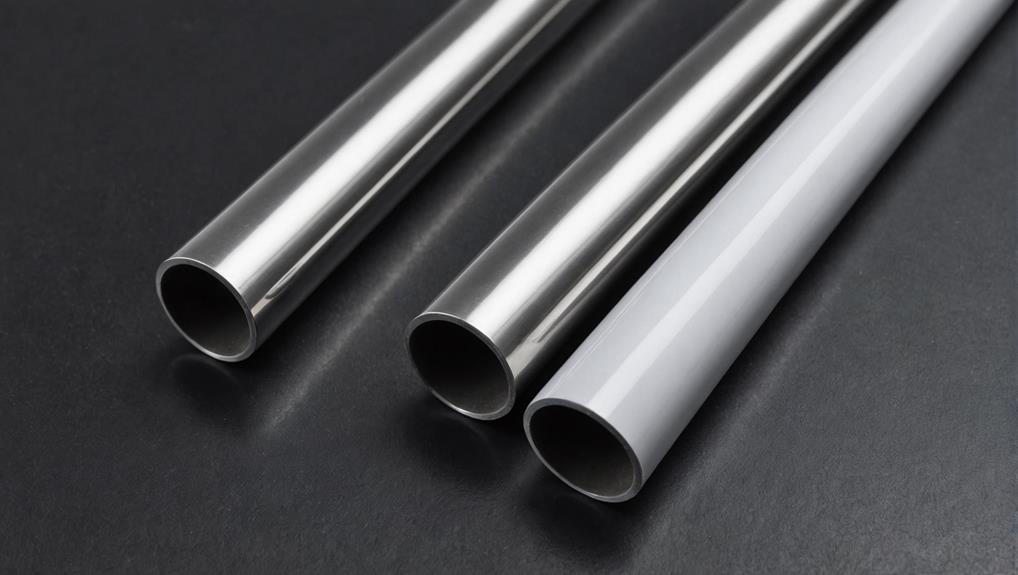
Choosing the right piping material depends on factors such as corrosion resistance, operating temperature, pressure requirements, hygiene standards, weight constraints, and overall lifecycle cost. The table below provides a general starting point for selecting the most suitable material for common applications.
| Application | Recommended Material | Key Considerations |
|---|---|---|
| Drinking Water Distribution | Stainless Steel 304 or 316 | Excellent corrosion resistance, water purity, long service life |
| Marine and Offshore Systems | Stainless Steel 316 or Duplex Stainless Steel | Superior resistance to chlorides and saltwater corrosion |
| Food, Dairy, and Pharmaceutical Processing | Stainless Steel 316L Sanitary Tubing | Hygienic surface finish, easy cleaning, compliance with sanitary standards |
| Residential Plumbing Systems | Copper or PVC | Lower installation costs and widespread availability |
| High-Pressure Steam and Process Lines | Carbon Steel or Stainless Steel 316 | Suitable for elevated temperatures and pressure conditions |
| Architectural and Decorative Applications | Polished Stainless Steel 304 | Attractive appearance combined with corrosion resistance |
| Structural and Mechanical Frameworks | Stainless Steel 304 or Carbon Steel | Good balance of strength, durability, and cost-effectiveness |
| Chemical Processing Facilities | Stainless Steel 316L or Duplex Stainless Steel | Enhanced resistance to aggressive chemicals and corrosive environments |
| Aerospace and Weight-Sensitive Equipment | Aluminum or Titanium | High strength-to-weight ratio and reduced overall system weight |
There is no single material that is ideal for every application. Stainless steel is often preferred when corrosion resistance, durability, hygiene, and long-term value are priorities. However, materials such as carbon steel, copper, PVC, aluminum, and titanium may offer advantages in specific environments or budget-sensitive projects.
The best choice depends on balancing performance requirements, operating conditions, regulatory standards, and total lifecycle costs.
Not all stainless steel tubes and pipes are designed for the same purpose. Depending on the application, buyers must choose between different product categories that vary in manufacturing method, wall thickness, surface finish, dimensional tolerance, and intended use.
Understanding these categories is important because selecting the wrong product type can lead to unnecessary costs, compliance issues, fabrication difficulties, or performance problems. Before evaluating grades, standards, or suppliers, buyers should first understand which category of stainless steel tube or pipe best matches their project requirements.
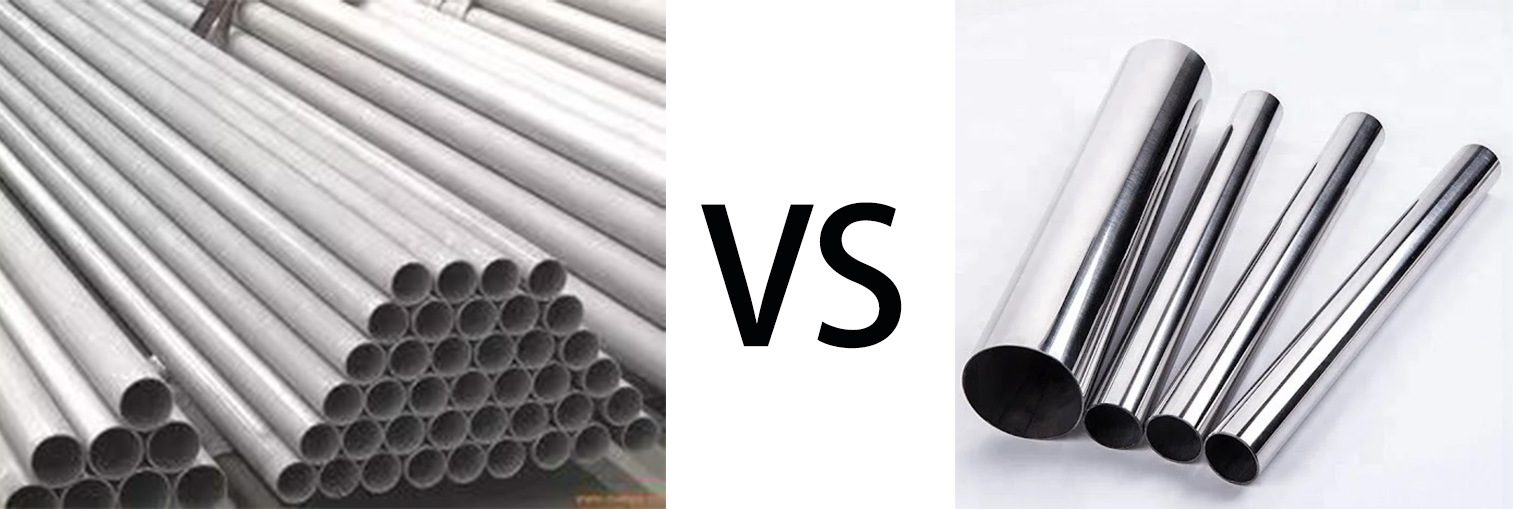
The majority of stainless steel tube and pipe produced globally — and virtually all decorative, sanitary, and structural tube — is welded. Welded tube is formed by rolling flat strip into a cylinder and welding the longitudinal seam, typically using TIG (GTAW) or laser welding processes. Modern high-frequency TIG welding produces weld seams whose microstructure and mechanical properties are indistinguishable from the parent material after annealing and bright annealing.
Seamless tube and pipe is extruded from solid billet without a weld seam. It was historically associated with higher quality and pressure performance, but this distinction has largely disappeared for austenitic grades where the welded seam is fully annealed. Seamless remains preferred in high-pressure boiler, heat exchanger, and certain oil and gas applications where the absence of any seam is specified by code.
The practical purchasing question is rarely "seamless versus welded" on quality grounds. It is a question of standard, application code, and cost: seamless is significantly more expensive and lead times can be longer.
Understanding the welding process helps buyers evaluate supplier capability and product quality more confidently.
The TIG (GTAW) Welding Process
Most decorative, sanitary, and structural stainless steel tubes are produced using Tungsten Inert Gas (TIG) welding, also known as Gas Tungsten Arc Welding (GTAW). In this process, flat stainless steel strip is continuously formed into a cylindrical shape and welded along the longitudinal seam under an inert argon gas shield.
The argon atmosphere prevents oxidation during welding, which is critical for maintaining the chromium-rich passive layer that gives stainless steel its corrosion resistance. High-frequency TIG welding produces consistent, narrow weld seams — the same process used across all standard stainless steel welded pipe production.

Laser Welding
For thin-wall tubes and precision applications, laser welding offers several advantages over conventional TIG welding:
Laser-welded tubes are increasingly specified in medical device, automotive, and high-precision instrumentation applications where dimensional consistency is critical.
Bright Annealing
After welding, tubes typically undergo bright annealing — a heat treatment process carried out in a controlled hydrogen or hydrogen-nitrogen atmosphere furnace. Bright annealing achieves two important outcomes:
This is why the historical perception that welded tubes are inferior to seamless is largely outdated for austenitic grades such as 304 and 316 — the annealing process effectively homogenizes the material.
Bright annealing capability is one of the key indicators of process depth when evaluating stainless steel tube factories.
Weld Bead Removal (Internal Scarfing)
For sanitary and hygienic applications, the internal weld bead must be removed to achieve the smooth internal surface required by standards such as ASTM A270 and 3-A. This process is called internal scarfing or bead rolling.
After scarfing, the internal surface is polished or electropolished to achieve the specified Ra (roughness average) value. Common requirements include:
| Application | Typical Internal Ra Requirement |
|---|---|
| General industrial | Not specified |
| Food and beverage (ASTM A270) | Ra ≤ 0.8 µm (32 µin) |
| Pharmaceutical / biotech | Ra ≤ 0.5 µm or better |
| High-purity systems | Ra ≤ 0.25 µm (electropolished) |
What This Means for Buyers
When evaluating welded tube suppliers, the questions to ask are not "welded or seamless?" but rather:
A manufacturer who can answer these questions clearly and provide supporting documentation is demonstrating genuine process control — which is far more meaningful than the seamless/welded distinction alone.
Industrial stainless steel tubes are produced to structural or mechanical standards (ASTM A554, A249) and are used in construction, furniture, automotive, and general engineering. Surface finish for industrial tube typically ranges from mill finish (2B) to brushed or polished, depending on aesthetic requirements.
Sanitary tubes are produced to hygiene standards (ASTM A270, 3-A, DIN 11850, EN 10357) with controlled internal surface finish (Ra values), full weld bead removal, and stringent dimensional tolerances. They are used in food, dairy, beverage, pharmaceutical, and biotechnology applications where cleanability and product purity are regulated.
Wall thickness selection involves a direct tradeoff between cost, weight, and structural or pressure performance. Thin-wall stainless steel tubing (typically under 1.5 mm WT) is used in applications where weight reduction, flexibility, or material cost savings drive the specification — such as automotive exhaust systems, lightweight structural frames, and medical devices.
Thick-wall products are used where pressure containment, mechanical strength, or wear resistance is the primary requirement. The cost of thick-wall tube increases with wall thickness not linearly but approximately with the square, since material volume scales with the square of the wall increment.

Standard products — round tube and round pipe in 304 and 316, in common OD/WT combinations and standard lengths — are stocked by distributors globally and are the fastest, lowest-cost option for most projects. Specialty products include square tube, rectangular tube, oval tube, heat-treatment-grade tube, and custom OD/WT combinations manufactured to order.
Lead times for specialty products vary from 2 to 12 weeks depending on the manufacturer and order volume. For projects with aggressive schedules, aligning specifications with stocked dimensions at the outset of design can significantly reduce procurement risk.
Before selecting a grade, dimension, or supplier, buyers should first determine which category of tube or pipe best aligns with their application.
A simple decision framework is:
| Requirement | Recommended Category |
|---|---|
| General fabrication and structural use | Welded tubing |
| High-pressure service | Seamless pipe or tube |
| Food and pharmaceutical processing | Sanitary tubing |
| Decorative and architectural projects | Thin-wall welded tubing |
| Heavy industrial systems | Thick-wall industrial pipe |
| Specialized operating conditions | Specialty tubing products |
Once the correct product category has been identified, the next step is learning how stainless steel tubes and pipes are specified, measured, and ordered. Understanding dimensions, schedules, gauges, and sizing systems is essential for selecting the correct product and communicating accurately with suppliers.
One of the most common causes of purchasing mistakes in the stainless steel industry is misunderstanding product specifications. Many buyers know the application they need to support but struggle to interpret technical descriptions, dimensional requirements, and supplier quotations.
Unlike many standard construction materials, stainless steel tubes and pipes are specified using a combination of dimensions, wall thickness, sizing systems, schedules, standards, and material grades. A small misunderstanding can result in receiving a product that is incompatible with the intended application.
Whether you are requesting a quotation, comparing suppliers, reviewing technical drawings, or evaluating a mill test certificate, understanding how stainless steel tubes and pipes are specified is essential.
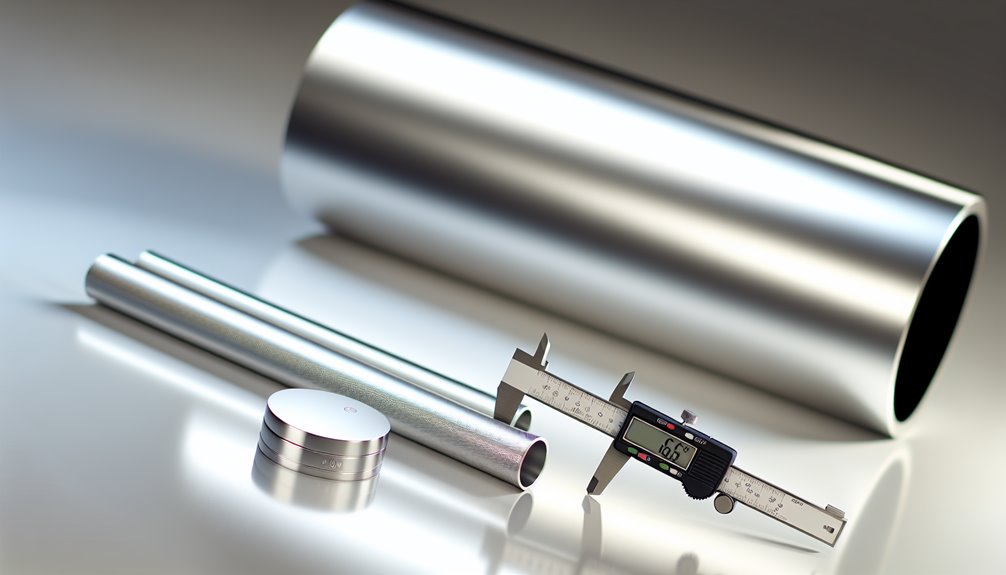
Three dimensions define the size of a stainless steel tube or pipe:
These dimensions determine flow capacity, pressure performance, strength, weight, and compatibility with fittings.
For tubes, specifications are typically expressed using OD × Wall Thickness.
For example: 50.8 mm OD × 1.5 mm WT
The inside diameter can then be calculated: ID = OD − (2 × WT)
In this example:
Because the ID is derived from OD and wall thickness, buyers normally specify only OD and WT when ordering stainless steel tubing.
For pipes, sizing follows a different system. Instead of specifying OD and wall thickness directly, pipes are typically designated by:
For example: NPS 2 Schedule 10S
The actual outside diameter and wall thickness are then determined according to industry standards such as ASME B36.19.
Understanding the relationship between OD, ID, wall thickness, NPS, and Schedule is essential when selecting products for flow requirements, pressure conditions, and system compatibility.
Pipe sizing becomes more complicated because many pipes are not specified using actual outside diameter alone.
Instead, pipe systems often use standardized sizing systems.
NPS stands for Nominal Pipe Size.
It is the most common sizing system used in North America and many international industrial projects.
Examples include:
Importantly, NPS does not always equal the actual outside diameter.
For example:
| NPS | Actual OD |
|---|---|
| 1" | 33.4 mm |
| 2" | 60.3 mm |
| 4" | 114.3 mm |
This is why engineers always verify actual dimensions rather than relying solely on nominal size.
DN stands for Diameter Nominal.
It is the metric equivalent commonly used in Europe, Asia, and many international projects.
Examples include:
| DN | Approximate NPS |
|---|---|
| DN25 | NPS 1" |
| DN50 | NPS 2" |
| DN100 | NPS 4" |
Many global projects reference both systems simultaneously.
Understanding NPS and DN equivalencies helps prevent specification errors when sourcing internationally.
Pipe Schedule is a standardized system used to define pipe wall thickness.
Contrary to popular belief, Schedule does not represent a fixed wall thickness across all pipe sizes.
Instead, it defines a wall thickness relative to a particular pipe diameter.
Common schedules include:
In general:
Higher schedule number = thicker wall = higher pressure capability — the difference is most consequential when choosing between Schedule 40 vs Schedule 80 for moderate to high-pressure applications.
For example:
| Pipe Size | Schedule 10 | Schedule 40 | Schedule 80 |
|---|---|---|---|
| NPS 2" | Thin wall | Medium wall | Heavy wall |
As wall thickness increases:
Schedule selection should always be based on engineering requirements rather than price alone.
Tube Gauge is a legacy wall thickness system used primarily in North America for thin-wall tube. The Birmingham Wire Gauge (BWG) and Standard Wire Gauge (SWG) systems both assign higher gauge numbers to thinner walls — 16 gauge is thinner than 14 gauge. This counterintuitive system is a frequent source of specification errors in international procurement.
Modern specifications should always state wall thickness in millimetres or inches. If a customer specifies in gauge, convert to mm/inch before issuing to a manufacturer and confirm the conversion in writing.
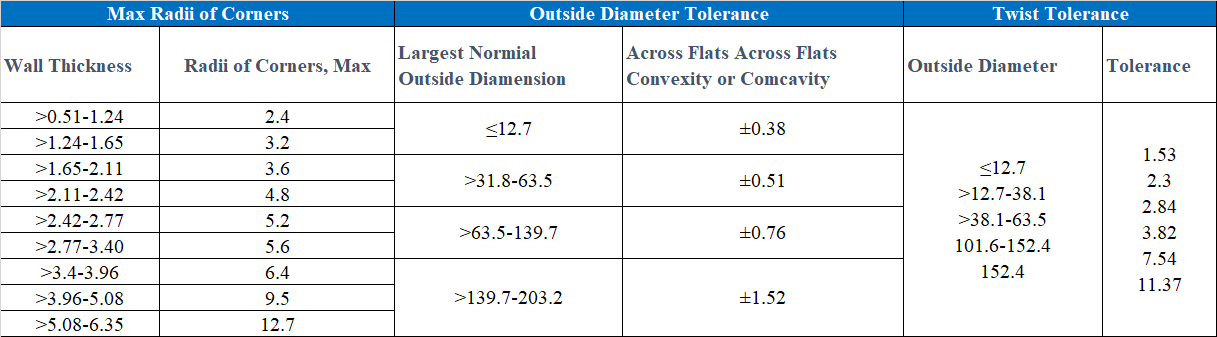
No stainless steel tube or pipe is manufactured to perfectly exact dimensions. Instead, products are produced within allowable tolerances defined by industry standards.
Common dimensional tolerances include:
For most applications, standard tolerances are sufficient. However, industries such as food processing, pharmaceuticals, medical equipment, and aerospace may require tighter dimensional control.
When reviewing specifications or supplier quotations, buyers should verify both the nominal dimensions and the applicable tolerance requirements.
A typical stainless steel tube specification may look complicated at first glance:
ASTM A554 TP304 50.8 mm × 1.5 mm × 6000 mm Polished Tube
However, each part communicates specific information.
| Specification Element | Meaning |
|---|---|
| ASTM A554 | Applicable manufacturing standard |
| TP304 | Material grade |
| 50.8 mm | Outside diameter |
| 1.5 mm | Wall thickness |
| 6000 mm | Length |
| Polished | Surface finish |
Another example:
ASTM A312 TP316L NPS 2" SCH 40
This means:
| Specification Element | Meaning |
|---|---|
| ASTM A312 | Pipe standard |
| TP316L | Material grade |
| NPS 2" | Nominal pipe size |
| SCH 40 | Pipe schedule |
The table below lists the most commonly stocked round tube dimensions. These sizes are typically available ex-stock from distributors and offer the shortest lead times.
Metric Sizes (mm)
| OD (mm) | Common Wall Thickness Options (mm) | Typical Applications |
|---|---|---|
| 12.7 | 0.8 / 1.0 / 1.2 | Instrumentation, medical, small fittings |
| 19.05 | 1.0 / 1.2 / 1.5 | Handrails, food equipment, heat exchangers |
| 25.4 | 1.0 / 1.2 / 1.5 / 2.0 | Structural frames, sanitary piping, furniture |
| 31.75 | 1.2 / 1.5 / 2.0 | Handrails, architectural elements |
| 38.1 | 1.2 / 1.5 / 2.0 / 2.5 | Structural, food processing, heat exchangers |
| 50.8 | 1.5 / 2.0 / 2.5 / 3.0 | Industrial piping, structural columns |
| 63.5 | 1.5 / 2.0 / 3.0 | Fluid transport, process piping |
| 76.2 | 1.5 / 2.0 / 3.0 | Large diameter structural, water systems |
| 101.6 | 2.0 / 3.0 / 4.0 | Heavy industrial, large-bore fluid systems |
Formula reminder: ID = OD − (2 × Wall Thickness) Example: 50.8 mm OD × 1.5 mm WT → ID = 50.8 − 3.0 = 47.8 mm
This is one of the most frequent sources of specification errors in international procurement. The nominal pipe size does not equal the actual outside diameter. A complete stainless steel pipe dimensions chart covers the full range beyond the common sizes listed below.
| NPS (inches) | DN (metric equivalent) | Actual OD (mm) | Actual OD (inches) |
|---|---|---|---|
| 1/8" | DN6 | 10.3 mm | 0.405" |
| 1/4" | DN8 | 13.7 mm | 0.540" |
| 3/8" | DN10 | 17.1 mm | 0.675" |
| 1/2" | DN15 | 21.3 mm | 0.840" |
| 3/4" | DN20 | 26.7 mm | 1.050" |
| 1" | DN25 | 33.4 mm | 1.315" |
| 1-1/4" | DN32 | 42.2 mm | 1.660" |
| 1-1/2" | DN40 | 48.3 mm | 1.900" |
| 2" | DN50 | 60.3 mm | 2.375" |
| 2-1/2" | DN65 | 73.0 mm | 2.875" |
| 3" | DN80 | 88.9 mm | 3.500" |
| 4" | DN100 | 114.3 mm | 4.500" |
| 6" | DN150 | 168.3 mm | 6.625" |
| 8" | DN200 | 219.1 mm | 8.625" |
| 10" | DN250 | 273.0 mm | 10.750" |
| 12" | DN300 | 323.8 mm | 12.750" |
Key reminder: Always specify by actual OD when ordering. If a supplier quotes by NPS only without confirming actual OD, always verify before placing an order.
| NPS | SCH 5S (mm) | SCH 10S (mm) | SCH 40S (mm) | SCH 80S (mm) |
|---|---|---|---|---|
| 1/2" | 1.65 | 2.11 | 3.73 | 5.54 |
| 1" | 1.65 | 2.77 | 3.38 | 4.55 |
| 1-1/2" | 2.11 | 2.77 | 3.68 | 5.08 |
| 2" | 2.11 | 3.05 | 3.91 | 5.54 |
| 3" | 2.11 | 3.05 | 5.49 | 7.62 |
| 4" | 2.11 | 3.05 | 6.02 | 8.56 |
| 6" | 2.11 | 3.05 | 7.11 | 10.97 |
| 8" | 2.11 | 3.05 | 8.18 | 12.70 |
SCH 5S and 10S are most common for stainless steel process piping. SCH 40S and 80S are used where higher pressure ratings are required.
Now that the dimensional and specification fundamentals are clear, the next step is understanding how these dimensions influence strength, pressure capability, weight, and overall performance in real-world applications.
Selecting the right stainless steel tube or pipe involves more than choosing a material grade. Performance is heavily influenced by factors such as wall thickness, pressure requirements, operating temperature, weight, and mechanical loading. Understanding these fundamentals helps buyers, engineers, and procurement teams select products that deliver the required performance without unnecessary cost.
Pressure-containing capacity increases with wall thickness. The fundamental relationship for thin-walled cylinders under internal pressure is described by the Barlow formula:
| P = (2 × S × t) / OD Where: P = internal pressure (psi or MPa), S = allowable stress (determined by grade and temperature, from ASME B31.3 or relevant code), t = wall thickness (inches or mm), OD = outside diameter (inches or mm) |
This formula shows that for a given OD and material, doubling the wall thickness approximately doubles the pressure rating. However, material allowable stress also varies with temperature — stainless steel loses strength at elevated temperatures faster than some alloy steels, which must be considered in high-temperature service.
Pipe schedules are standardized designations used to describe wall thickness. Common schedules include Schedule 10, Schedule 40, Schedule 80, and Schedule 160.
A higher schedule number indicates a thicker wall and greater pressure-handling capability. However, schedule numbers do not represent a fixed thickness. The actual wall thickness varies depending on the nominal pipe size (NPS).
For example, a 2-inch Schedule 40 pipe has a different wall thickness than a 6-inch Schedule 40 pipe. Understanding pipe schedules is essential when comparing products, evaluating pressure ratings, and preparing technical specifications.
| Pipe Schedule | Typical Application |
|---|---|
| Schedule 10 | Low-pressure systems, sanitary processing |
| Schedule 40 | General industrial piping |
| Schedule 80 | Higher-pressure industrial systems |
| Schedule 160 | Heavy-duty pressure applications |
Every piping system operates within a specific pressure and temperature range. Selecting the correct tube or pipe requires understanding the maximum operating pressure, temperature fluctuations, flow media, and environmental conditions.
As operating pressure increases, thicker walls or stronger material grades may be required to maintain safety and reliability. Elevated temperatures can also reduce material strength and affect allowable pressure ratings.
Key factors to evaluate include:
Proper pressure design helps prevent leaks, deformation, and premature system failure.
The weight of stainless steel tubing and piping affects transportation costs, installation requirements, structural support design, and overall project economics.
Weight is determined by several factors:
Even small increases in wall thickness can significantly increase total project weight when large quantities are involved. Accurate weight calculations are particularly important for industrial projects where logistics costs and structural loading must be carefully controlled.

Many industrial systems are exposed to repeated pressure fluctuations, vibration, thermal cycling, or mechanical movement. Over time, these repeated stresses can cause fatigue failure if the material and dimensions are not properly selected.
Stainless steel offers excellent fatigue resistance compared with many alternative materials, making it suitable for demanding applications such as:
Understanding fatigue performance helps ensure long-term reliability in dynamic operating environments.
Stainless steel expands and contracts as temperatures change. In high-temperature systems or long pipe runs, thermal expansion must be considered during system design.
Failure to accommodate thermal movement can create excessive stress within the piping system, leading to leaks, distortion, or premature component failure.
Common methods used to manage thermal expansion include:
The greater the operating temperature and the longer the pipe run, the more important thermal expansion becomes.
Pressure performance depends on more than material grade alone. Wall thickness, pipe schedule, operating pressure, temperature, weight, fatigue resistance, and thermal expansion all influence the long-term performance of a stainless steel tube or pipe system.
Stainless steel tubes and pipes must meet specific standards to ensure quality, reliability, and compatibility with industrial or sanitary systems. Standards define dimensions, wall thickness, material grades, mechanical properties, and testing requirements, providing a benchmark that manufacturers and buyers can trust.
Standards ensure that stainless steel tubes and pipes:
Following standards reduces the risk of system failure, improves reliability, and simplifies procurement.
ASTM standards are widely used internationally for stainless steel tubes and pipes. The most common standards include:
Each standard specifies material requirements, dimensional tolerances, surface finishes, testing procedures, and certifications to ensure consistent quality.
In addition to ASTM, European and international standards provide guidelines for stainless steel tubes and pipes:
Awareness of these standards is important for global projects to ensure compatibility and compliance with local regulations.
When sourcing stainless steel tubes and pipes, standards help buyers:
By understanding and referencing the correct standard, buyers can minimize procurement errors, avoid compatibility issues, and confidently specify the right stainless steel tube or pipe for their project.
Selecting the right stainless steel tube or pipe requires more than simply choosing a size or material. The best choice depends on the operating environment, mechanical requirements, applicable standards, and budget considerations. By evaluating these factors systematically, buyers can avoid costly specification errors and ensure long-term performance.
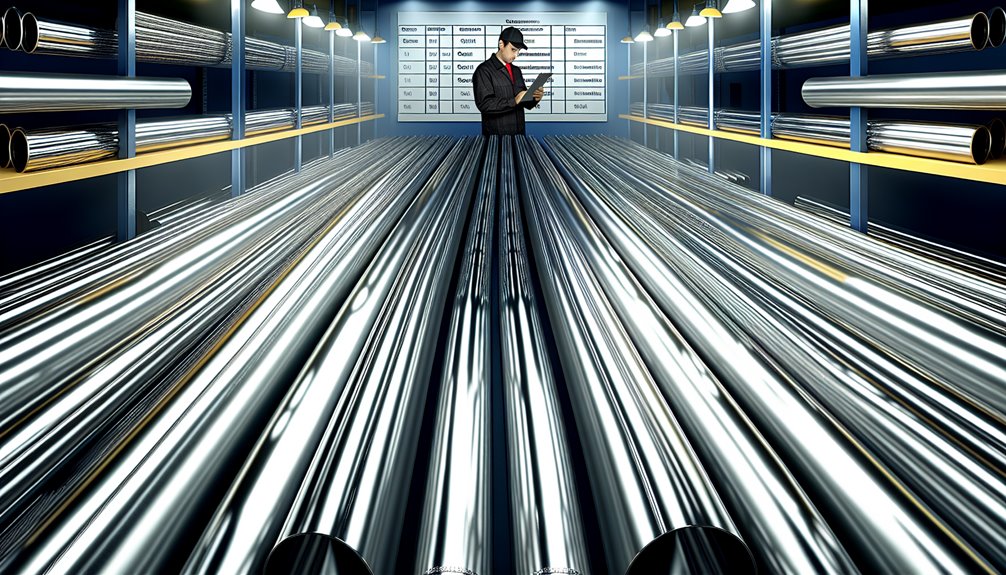
The first step is to clearly understand how the tube or pipe will be used.
Questions to consider include:
The intended application determines many of the technical requirements that follow, including material selection, dimensions, surface finish, and certification requirements.
Environmental conditions have a major impact on material performance and service life.
Factors to evaluate include:
For example, a stainless steel tube used in an indoor architectural application may have very different requirements than one used in a marine environment or chemical processing plant.
Operating conditions help determine the required dimensions, wall thickness, and product type.
Key considerations include:
Higher pressures generally require thicker walls or higher pipe schedules. Applications involving vibration, thermal cycling, or repeated loading may also require additional consideration for fatigue resistance and long-term durability.
Once the operating environment and performance requirements are understood, the next step is selecting the appropriate stainless steel grade.
Different stainless steel tube materials offer varying levels of corrosion resistance, mechanical performance, weldability, and cost. For example:
For hygienic systems specifically, understanding the difference between food grade and surgical grade stainless steel is an important part of getting the specification right. Choosing the correct grade is one of the most important decisions in any specification process.
For a detailed comparison of stainless steel grades, corrosion resistance, mechanical properties, chemical composition, and selection criteria, see our complete Stainless Steel Grades Guide.
Different industries require compliance with different standards.
Common examples include:
Always confirm that the selected product complies with project specifications, customer requirements, and applicable regulations.
When purchasing stainless steel tubes or pipes, request supporting documentation such as Mill Test Certificates (MTCs) to verify compliance.
After selecting the material grade and applicable standard, verify all dimensional requirements.
Typical specifications include:
Accurate dimensions are critical for ensuring compatibility with fittings, supports, fabrication processes, and installation requirements.
Even small dimensional variations can affect assembly, performance, and project costs.
The quality of the supplier is often just as important as the quality of the product.
Before placing an order, evaluate:
Reliable suppliers should be able to provide technical documentation, inspection reports, and clear communication throughout the procurement process.
Many purchasing problems occur because key factors are overlooked during specification.
Common mistakes include:
Avoiding these mistakes can significantly reduce project risk and improve long-term performance.
The cost of stainless steel tubes and pipes can vary significantly depending on material grade, size, wall thickness, manufacturing method, order quantity, surface finish, and logistics. For buyers, understanding these cost factors is essential for accurate budgeting and fair supplier comparison.
A lower unit price does not always mean better value. In many projects, the cheapest option can lead to higher long-term costs if the product is under-specified, lacks proper certification, or requires frequent replacement. A good purchasing decision should balance initial cost, performance requirements, compliance, and lifecycle value.

Material grade is one of the most important factors affecting stainless steel tube and pipe pricing. Grades with higher alloy content usually cost more because they contain more expensive elements such as nickel and molybdenum.
For example, 201 stainless steel is generally more cost-effective because it contains less nickel, while 304 stainless steel offers better general corrosion resistance at a moderate price. 316 and 316L stainless steel are usually more expensive because they contain molybdenum, which improves resistance to chlorides and harsh environments.
When comparing quotations, buyers should always confirm the material grade. Two products with the same size and wall thickness can have very different prices if they are made from different stainless steel grades.
Tube and pipe dimensions also have a major influence on total cost. Larger diameters require more raw material, while thicker walls increase both material consumption and product weight.
Key cost-related factors include:
For example, a thicker Schedule 80 pipe will cost more than a Schedule 40 pipe of the same nominal size because it uses more stainless steel and weighs more. Similarly, precision tubing with tighter tolerances may cost more than standard commercial tubing due to stricter production and inspection requirements.
Buyers should avoid over-specifying wall thickness unless the application requires higher pressure resistance, structural strength, or additional corrosion allowance.
Manufacturing method can also affect price. Welded stainless steel tubes and pipes are often more cost-effective and widely available, while seamless products usually cost more due to their more complex production process and use in higher-pressure or more demanding applications.
Surface finish is another cost factor. Standard mill finish products are usually more economical, while polished, brushed, bright annealed, or sanitary finishes may require additional processing.
Common finish-related cost factors include:
For visible architectural projects or hygienic systems, paying more for the correct finish can be necessary. For hidden industrial piping, a standard finish may be sufficient.
Minimum order quantity, or MOQ, can influence both pricing and supplier selection. Standard sizes and common grades are usually easier to purchase in smaller quantities, while custom dimensions, special finishes, or less common grades may require higher MOQs.
Higher order quantities often reduce unit cost because production, setup, packaging, and export costs are spread across more material. However, ordering more than required can increase storage costs and tie up working capital.
Before placing an order, buyers should consider:
For repeat purchasing or distribution, bulk orders may offer better pricing. For one-time projects, standard stock sizes may be more practical.
Logistics can represent a significant part of the total project cost, especially for international buyers. Stainless steel tubes and pipes are heavy, long, and often require careful packaging to prevent surface damage during transportation.
Logistics-related costs may include:
Product dimensions also affect shipping efficiency. Long tubes may require special handling, while heavy-wall pipes increase freight weight. For polished or sanitary products, protective packaging may add cost but helps prevent scratches, contamination, and damage.
When comparing suppliers, buyers should evaluate the total landed cost, not only the ex-factory or FOB price.
The true cost of stainless steel tubes and pipes should be evaluated over the full service life of the system.
A lower-cost product may appear attractive at the purchasing stage, but it can become more expensive if it leads to premature corrosion, leaks, downtime, replacement, or compliance problems.
Lifecycle cost factors include:
In many demanding applications, a higher-quality stainless steel tube or pipe can provide better long-term value by reducing maintenance and replacement costs. This is especially important in sanitary systems, chemical processing, water treatment, and industrial facilities where failure can be expensive.
Before finalizing a purchase, buyers should confirm:
A clear cost plan helps buyers compare quotations more accurately and avoid hidden costs during procurement. Instead of selecting the lowest price, the better approach is to choose the product that meets technical requirements at the best overall value.
Whether you are sourcing for a construction project, manufacturing operation, food processing facility, or distribution business, purchasing stainless steel tubes and pipes involves more than comparing prices. Product quality, supplier reliability, certification, and long-term performance all influence the overall value of the purchase.
Understanding the procurement process helps buyers reduce risk, avoid specification mistakes, and secure products that meet both technical and commercial requirements.
One of the first decisions buyers face is where to buy stainless steel tubing — whether to work directly with a manufacturer, source through a trader, or purchase from a local distributor. Each option involves different tradeoffs in pricing, lead time, minimum order quantity, and documentation quality. Buyers evaluating these options across different supplier types and channels will find the considerations vary significantly depending on project scale and geography.
Manufacturers produce stainless steel tubes and pipes directly in their own facilities. They typically offer greater control over production quality, custom dimensions and specifications, better pricing for large-volume orders, and direct technical support. Manufacturers are often the preferred choice for OEM projects, wholesale purchasing, and custom production requirements — whether sourcing from 304 stainless steel pipe suppliers or stainless steel round tube suppliers, verifying direct manufacturing capability is the first step.
Traders source products from multiple manufacturers and resell them to customers. Their advantages include access to multiple product sources, flexible order quantities, and faster sourcing for non-standard requirements. However, product consistency and traceability may vary depending on the supply chain.
Distributors maintain inventory and provide local availability. Benefits include faster delivery times, lower minimum order quantities, and convenient local support. Distributors are commonly used for maintenance purchases, urgent replacements, and smaller projects.
A Mill Test Certificate (MTC) is one of the most important quality documents when purchasing stainless steel tubes and pipes.
An MTC typically contains:
This document provides traceability and confirms that the supplied material meets the specified requirements.
For industrial, sanitary, pharmaceutical, and engineering projects, requesting an MTC is considered a standard procurement practice.

A detailed Request for Quotation (RFQ) helps suppliers provide accurate pricing and reduces misunderstandings.
An effective RFQ should include:
The more information provided, the more accurate the quotation will be.
The cost of stainless steel tubes and pipes is affected by multiple variables.
Key pricing factors include:
Two products with identical dimensions can have significantly different prices if they use different grades or require different certifications.
Before placing an order, buyers should evaluate potential suppliers carefully.
Important factors include:
A reliable supplier should be able to provide complete documentation, consistent quality, and responsive communication throughout the purchasing process — for reference, a curated list of top stainless steel tubing manufacturers provides a useful starting point when building a shortlist.
Several common issues can lead to delays, quality problems, or unexpected costs.
These include:
Verifying specifications before production, identifying the correct stainless steel grade on arrival, and requesting supporting documentation can help prevent most procurement problems.
For businesses that purchase stainless steel tubes and pipes regularly, developing long-term supplier partnerships often creates significant advantages.
Strong supplier relationships can provide:
Rather than focusing solely on unit price, many successful buyers evaluate suppliers based on total value, reliability, and long-term performance.
For buyers sourcing stainless steel tubes and pipes internationally, supplier evaluation is one of the highest-leverage decisions in the procurement process. A competitive unit price means little if the supplier cannot maintain consistent quality, provide traceable documentation, or deliver reliably across production runs.
The following criteria provide a structured framework for evaluating any overseas manufacturer before placing an order.
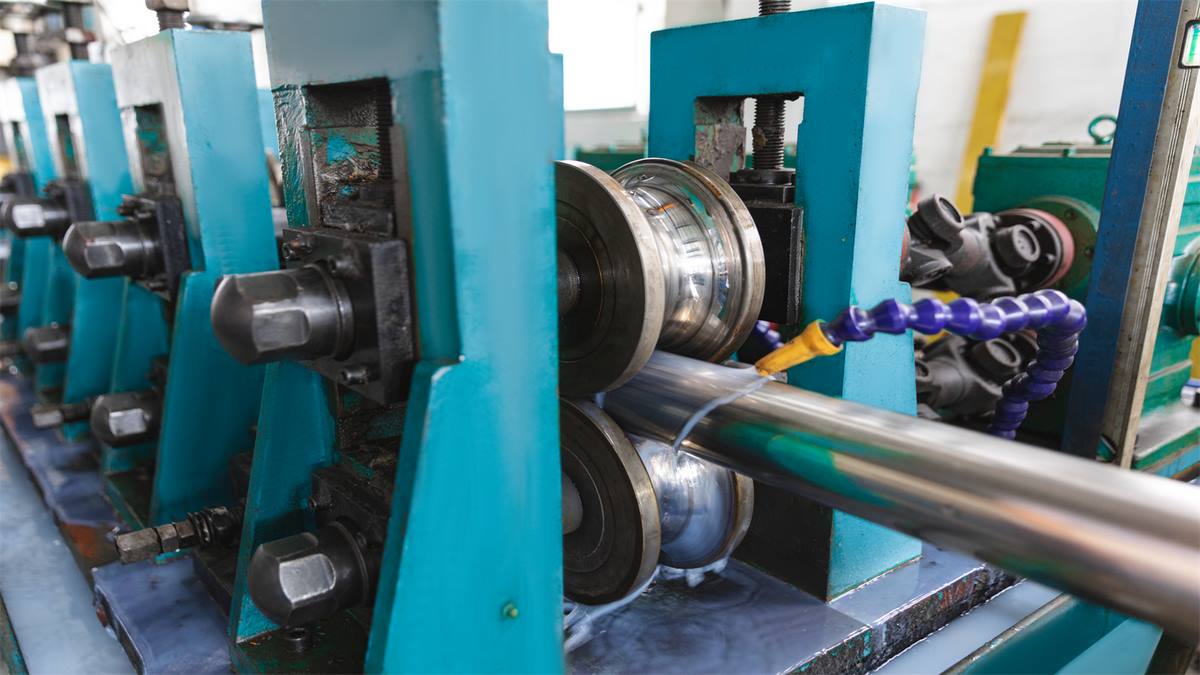
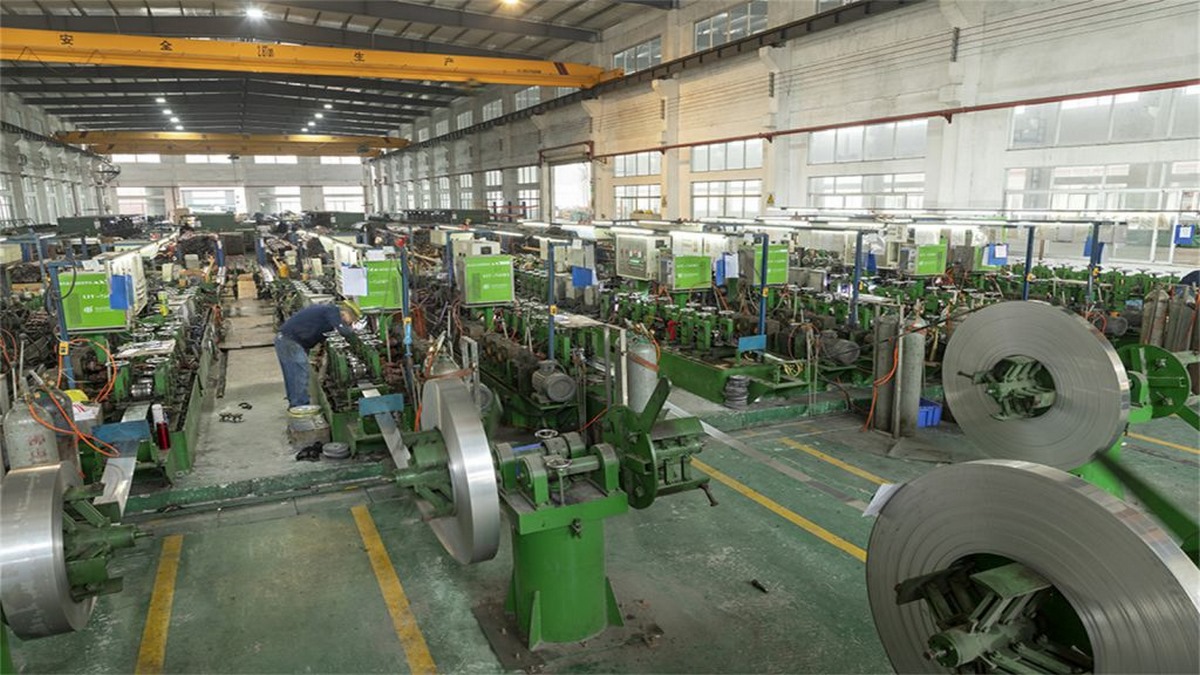
A capable manufacturer should be able to demonstrate direct control over the core production processes — strip slitting, tube forming, welding, annealing, and surface finishing — rather than relying on subcontracted production for critical steps.
Key questions to ask:
Suppliers who can answer these questions precisely, with supporting equipment lists or factory photos, are demonstrating genuine manufacturing depth rather than trading capability.
At minimum, confirm ISO 9001 certification covering the specific product categories being purchased. For regulated industries, additional certifications may be required:
| Industry | Relevant Certification |
|---|---|
| Food and beverage | 3-A, EHEDG |
| Pharmaceutical / biotech | FDA compliance, GMP documentation |
| Pressure equipment (Europe) | PED, EN 10204 3.1 MTC |
| General industrial | ISO 9001, ASTM compliance |
Certification documents should be current and verifiable. Always confirm the certificate scope covers the specific product type and grade being ordered.
Every shipment should be traceable from the finished tube back to the original stainless steel coil or billet. This traceability chain — documented through Mill Test Certificates — is what allows buyers to verify that the delivered material genuinely meets the specified grade.
A reliable supplier will issue MTCs that include heat number, chemical composition, mechanical test results, dimensional inspection records, and the applicable standard. If a supplier cannot provide full heat traceability, treat this as a significant procurement risk regardless of price.
Sourcing internationally introduces logistics, documentation, and communication complexity that not all manufacturers are equally equipped to handle. When evaluating a new supplier, ask for references from buyers in your region or industry, experience with your destination country's import requirements, familiarity with relevant freight terms (FOB, CIF, DDP), and a track record with the specific standards your project requires.
China's stainless steel tube and pipe production is concentrated in specific manufacturing clusters — Wuxi, Foshan, and Zhangjiagang being the most significant — each with different product specializations, pricing structures, and export infrastructure. Buyers sourcing directly from Chinese manufacturers will find that understanding these regional differences has a direct impact on lead times, MOQ, and total landed cost.
A manufacturer with established export experience will anticipate documentation requirements, packaging specifications, and lead time expectations without needing to be guided through them.
For any new overseas supplier relationship, standard risk management practice includes:
These steps add modest cost and time upfront but substantially reduce the risk of receiving non-conforming material, especially for custom dimensions or tighter-tolerance products.
Working with Vinmay
Vinmay is a China-based stainless steel welded tube and pipe manufacturer with extensive experience supplying industrial, sanitary, architectural, and OEM customers globally. Our production covers a broad range of grades, dimensions, and surface finishes, with full MTC documentation and compliance with ASTM, EN, and ISO standards.
If you are evaluating overseas suppliers for your next project, contact our technical sales team with your specification — grade, standard, OD/WT or NPS/schedule, quantity, and destination — and we will provide a competitive quotation with complete documentation.
Stainless steel tubes and pipes are available in a wide range of products designed to meet different industry requirements. Selecting the right product type ensures compatibility with system specifications, simplifies installation, and supports long-term performance.
Sanitary stainless steel tubes are designed for applications where hygiene is critical, such as:
These tubes feature smooth internal surfaces, tight dimensional tolerances, and specialized weld quality to prevent contamination and ensure compliance with sanitary standards — qualities that distinguish reliable stainless steel sanitary tubing suppliers from general-purpose tube traders.
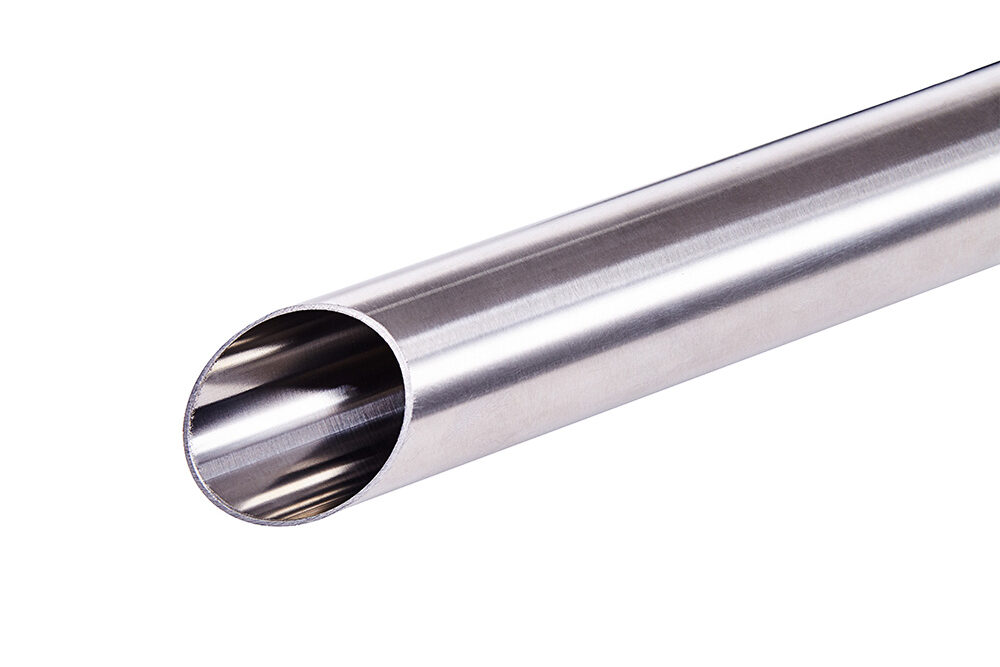
Ornamental and construction tubes are primarily used in architectural and decorative applications, such as:
These tubes are often polished or finished to achieve aesthetic appeal while maintaining structural integrity.

Heat treatment stainless steel tubes are engineered to withstand high-temperature industrial processes. Applications include:
These tubes maintain dimensional stability and mechanical strength under elevated temperatures.
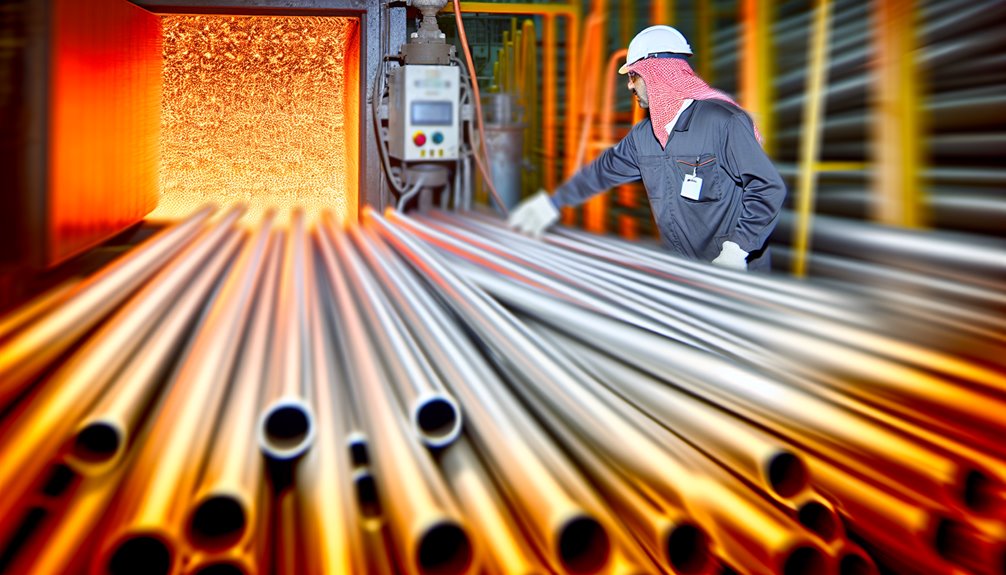
Light-gauge water tubes are designed for plumbing and water distribution systems. Features include:
These tubes are commonly used in residential, commercial, and industrial water systems.

Some applications require complementary components, including:
Using compatible components ensures system integrity and simplifies installation while maintaining compliance with relevant standards.
Ready to specify or source? Contact Vinmay's technical sales team with your specification — grade, standard, OD/WT or NPS/schedule, quantity, and destination — and receive a competitive quotation with full MTC documentation.
Tubes are specified by exact outside diameter and wall thickness, used for structural and mechanical applications. Pipes are specified by nominal pipe size (NPS) and schedule, designed for transporting fluids and gases. If your priority is structure or appearance, choose tube. If it's fluid transport, choose pipe.
Use 304 for most general applications — structural frames, food equipment, water systems, and architectural installations. Choose 316 or 316L when chloride exposure is significant, such as marine environments, chemical processing, or pharmaceutical systems. The molybdetin content in 316 provides meaningfully better pitting resistance in corrosive conditions.
No. NPS is a nominal designation only. A 2" NPS pipe has an actual OD of 60.3 mm, not 50.8 mm. Always verify actual dimensions against the ASME B36.19 table or supplier datasheet before ordering.
Schedule 10S has a thinner wall, lower weight, and lower pressure rating. Schedule 40S has a thicker wall and higher pressure capability. For most stainless steel process piping at moderate pressures, Schedule 10S is sufficient and the more common choice.
For the majority of applications — including food processing, sanitary, architectural, and general industrial — welded tube is standard and fully appropriate. Seamless is only genuinely required when specified by engineering code, typically in high-pressure boiler or oil and gas applications.
Stainless steel tubes and pipes are used in virtually every major industry, from food processing and pharmaceuticals to construction, water treatment, energy, and manufacturing. Their combination of corrosion resistance, mechanical strength, durability, and versatility makes them one of the most reliable materials for both fluid transport and structural applications.
However, selecting the right product requires more than choosing a stainless steel grade. Buyers must understand the differences between tubes and pipes, dimensional specifications, standards, pressure requirements, manufacturing methods, and supplier capabilities. Making informed decisions at the specification stage can significantly improve performance, reduce lifecycle costs, and minimize project risks.
Whether you are sourcing sanitary tubing for a food processing facility, industrial pipe for a manufacturing plant, or ornamental tubing for an architectural project, a clear understanding of specifications, standards, and procurement best practices is essential for long-term success.
At Vinmay, we specialize in high-quality stainless steel tubes and pipes for a wide range of industrial, sanitary, architectural, and OEM applications. With extensive manufacturing experience, strict quality control, and global export capabilities, we help customers find the right solutions for their technical and commercial requirements.
If you need assistance selecting the right stainless steel tube or pipe for your project, contact our team for technical guidance, product recommendations, or a customized quotation.