Most engineers and buyers underestimate how much tube shape impacts real-world performance. It’s often treated as a simple design choice—but in reality, the difference between round, square, rectangular, or specialty profiles can directly affect strength, assembly efficiency, cost, and even long-term reliability.
The good news is that once you understand how each shape behaves, choosing the right profile becomes far more straightforward. Instead of guessing based on appearance or habit, you can make decisions based on load conditions, connection requirements, and practical constraints.
In this guide, you’ll learn how stainless steel tube shapes are classified, how each geometry performs, and how to select the right profile for your application—so you can balance structure, function, and design with confidence.

Before comparing different tube shapes, it’s important to understand what defines a tube shape in engineering and why it plays such a critical role in performance and design.
In engineering, tube shapes are defined by precise geometrical parameters and serve distinct functional purposes compared to pipes, which are primarily concerned with fluid conveyance.
The distinction between core shapes, such as round and square, and specialty shapes, like elliptical or hexagonal, highlights the versatility in application-specific requirements.
Selecting the appropriate tube shape is a critical design decision, influencing structural integrity, weight distribution, and aesthetic appeal.
In engineering, a tube shape refers to the cross-sectional geometry of the tube—such as round, square, or rectangular—which directly determines how it performs under load and how it functions in real applications.
This geometry controls how forces are distributed, how the tube connects with other components, and how efficiently it uses material. As a result, tube shape is not just a design choice—it is a core performance factor.
Different shapes are selected based on specific functional needs:
In practice, engineers evaluate tube shape alongside factors such as load conditions, connection methods, and spatial constraints to ensure the final design delivers both structural efficiency and practical usability.
Understanding the difference between tubes and pipes is essential when discussing stainless steel tube shapes, as the distinction is based on geometry and intended function.
Pipes are almost always round in shape and are primarily designed for fluid and gas transport. Their geometry supports consistent internal flow and pressure handling, which is why alternative shapes are rarely used in piping systems.
Tubes, on the other hand, are defined by their cross-sectional shape and dimensional precision. They can be round, square, rectangular, or other profiles, making them suitable for a wide range of structural, architectural, and functional applications. This is where a tube shape comparison becomes important, as different geometries provide different performance characteristics.
| Aspect | Pipes | Tubes |
|---|---|---|
| Primary Purpose | Fluid and gas transport | Structural and design applications |
| Shape | Always round | Round, square, rectangular, and specialty profiles |
| Dimension Focus | Nominal size (flow-based) | Precise dimensions (OD, wall, profile) |
| Functionality | Flow efficiency | Structural versatility |
| Geometry Role | Supports internal pressure | Defines strength, connection, and form |
Because tubes are not limited to a single geometry, their shape becomes a critical selection factor. Engineers and designers choose between different tube profiles based on how the shape influences strength, connection methods, and spatial layout.
Once the distinction between tubes and pipes is clear, the next step is understanding how shape itself directly influences performance in real-world applications.
Tube shape directly influences how a structure behaves, how components connect, and how efficiently materials are used.
For example, round tubes distribute stress uniformly, making them ideal for load-bearing applications involving pressure or dynamic forces. Square and rectangular tubes introduce flat surfaces, which improve stability, simplify joining methods, and enable cleaner integration into frames and assemblies.
Shape also affects spatial efficiency. Rectangular profiles can be optimized for directional strength, while more complex geometries may be used to meet constraints related to airflow, drainage, or design integration.
In real-world engineering, tube shape is rarely chosen in isolation. It is evaluated together with factors such as load direction, fabrication methods, and installation requirements.
Rather than being a secondary detail, tube shape is often a primary design decision that directly impacts performance, cost, and feasibility.
Because tube shape affects performance so significantly, engineers group different profiles into clear categories to simplify selection and specification.
Understanding how stainless steel tube shapes are classified helps simplify selection and specification. Instead of evaluating every possible profile individually, shapes can be grouped into clear categories based on their geometry and function. This classification allows engineers and buyers to quickly narrow down the most suitable options for their project.
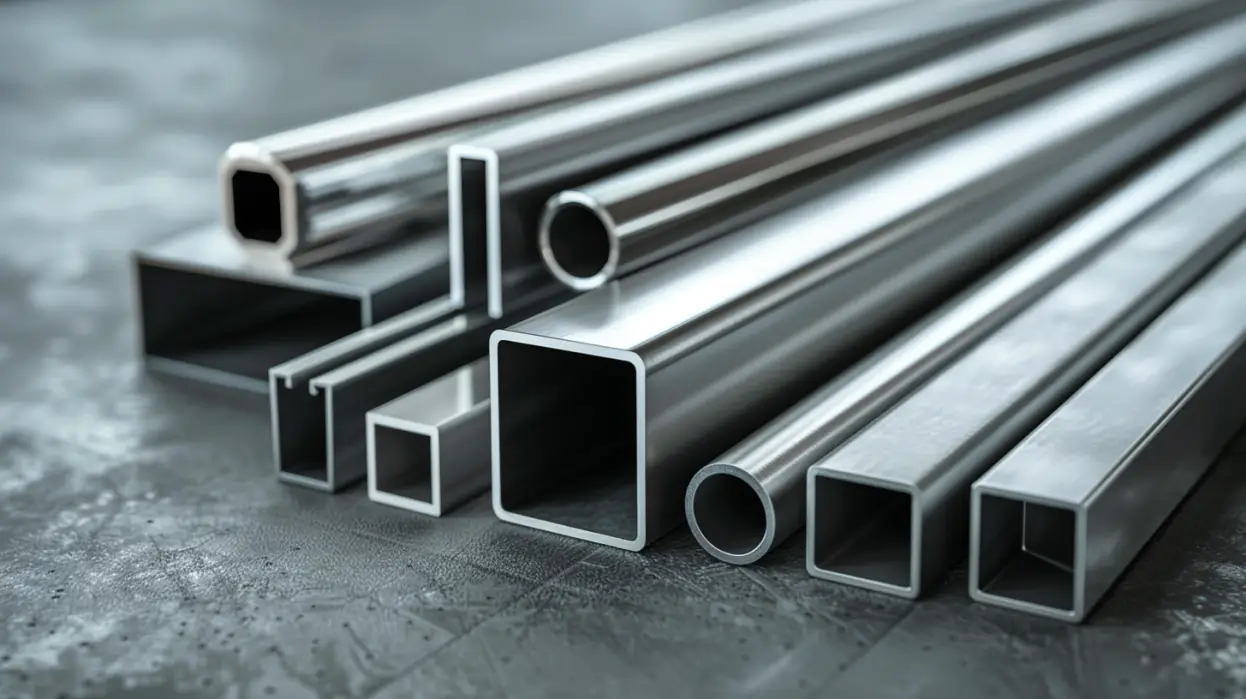
Core tube shapes include round, square, and rectangular profiles, which represent the most commonly used geometries in both structural and design applications.
These shapes are widely adopted because they offer predictable performance, standardized dimensions, and ease of fabrication. Round tubes provide uniform strength in all directions, while square and rectangular tubes introduce flat surfaces that simplify alignment, connection, and assembly.
Due to their versatility and availability, core shapes are typically the first option considered in most projects.
Specialty tube shapes are used when standard profiles cannot meet specific design or functional requirements. These include oval, elliptical, slotted, hexagonal, polygonal, and custom-engineered profiles.
Unlike core shapes, specialty profiles are often selected for aesthetic refinement, ergonomic advantages, or specialized performance, such as airflow, drainage, or integration into architectural systems.
While they offer greater flexibility in design, they may also require more precise specification and sourcing compared to standard shapes.
Stainless steel tube shapes can also be classified based on whether their cross-section is closed or open, a distinction that directly affects structural behavior and functional use.
Closed profiles—such as round, square, rectangular, and most polygonal tubes—feature a continuous outer boundary. This uninterrupted geometry allows for more even stress distribution, higher structural integrity, and better resistance to deformation under load. As a result, closed profiles are typically preferred in applications where strength and stability are critical.
Open profiles, including slotted or perforated tubes, introduce intentional openings into the structure. These designs reduce weight and enable additional functionality such as airflow, drainage, visibility, or system integration. However, these openings also alter how forces are distributed, meaning open profiles are generally used in applications where structural load is less critical than functional performance.
In practical terms:
Understanding this distinction helps ensure the selected tube shape aligns with both performance requirements and design intent.
With this classification in mind, we can now look at the most commonly used tube shapes and how each performs in practical applications.
In the domain of stainless steel tube fabrication, core shapes such as round, square, and rectangular profiles play pivotal roles, each offering distinct mechanical properties and applications.
Round stainless steel tubes provide exceptional strength and uniformity, making them ideal for fluid transport and structural frameworks.
Conversely, square and rectangular tubes offer increased surface area and geometric stability, which are advantageous in construction and architectural applications where load distribution and aesthetic considerations are paramount.
Round stainless steel tubes are the most widely used profile due to their uniform stress distribution and strong performance under pressure. Their circular geometry minimizes stress concentration, making them ideal for fluid systems and non-directional load conditions.
In most applications, stainless steel welded round tubes are preferred for their cost efficiency and consistent quality — produced in accordance with standards such as ASTM A554 for mechanical and structural applications — while seamless tubes are used for higher-pressure environments. This standardization keeps the round tube price relatively competitive, especially in common grades such as 304 and 316L.
Because of this wide availability, stainless steel round pipe for sale is typically offered in a broad range of sizes and finishes, making sourcing faster and more flexible compared to other shapes.
In architectural applications, polished stainless steel round tubes are commonly used for their clean appearance and smooth surface, especially in handrails, railings, and exposed structures.
Key Advantages of Round Stainless Steel Tubes:
Careful selection of tube shape remains essential, but for applications requiring balanced performance, cost efficiency, and availability, round stainless steel tubes are often the most practical and reliable option.
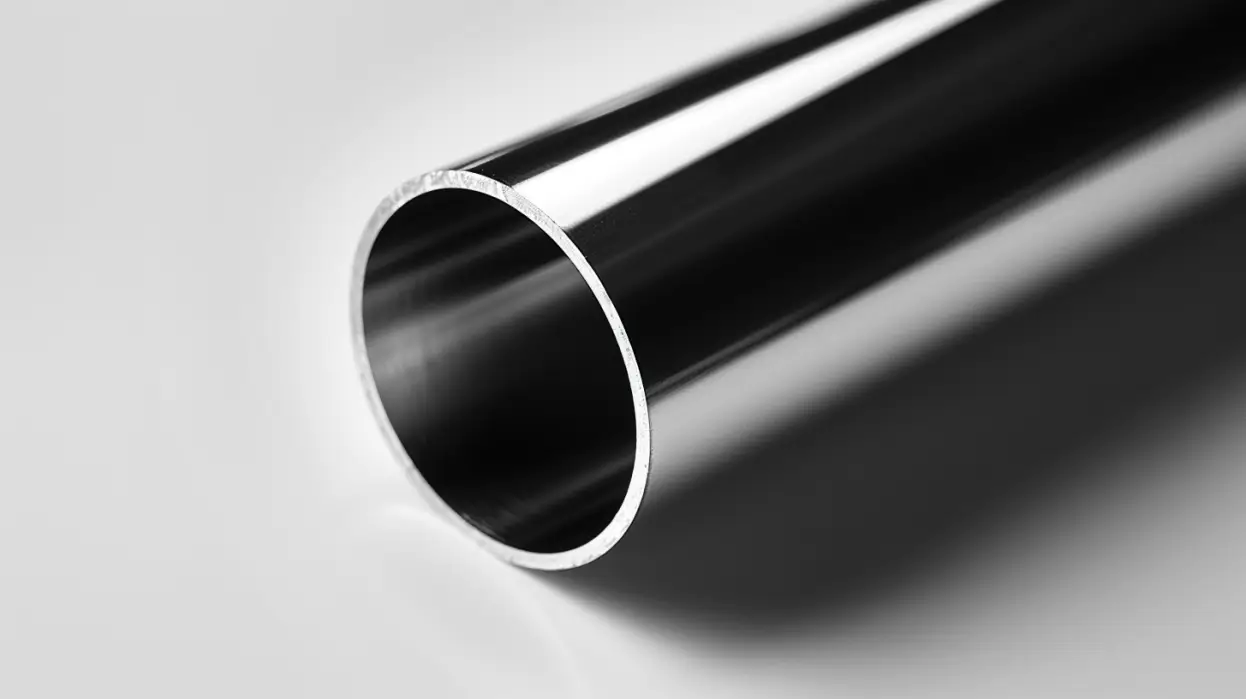
For applications requiring flat surfaces and easier connections, square stainless steel tubes offer a different set of advantages.
Square stainless steel tubes are a go-to choice in structural and fabrication work, valued for their flat surfaces and symmetrical geometry. These characteristics make alignment straightforward, connections clean, and assembly efficient — particularly when compared to round profiles, which require additional fittings to achieve the same level of precision.
In most practical applications, stainless steel welded square pipe is the standard choice. It offers consistent dimensions, reliable weldability, and good cost efficiency, making it well-suited to frames, supports, and modular systems where both speed and structural reliability matter.
The geometry of square tubes also pairs naturally with square tube fittings, allowing secure connections without complex machining. This makes them a practical option in modular construction, furniture manufacturing, and architectural applications where consistency across repeated joints is important.
For those working on larger projects, sourcing from a dependable stainless steel square tubing supplier helps ensure accurate tolerances and stable lead times. It's also worth considering fabrication requirements early in the process — factors like cutting method, weld seam position, and surface finish can influence which dimensions and wall thicknesses are most practical before you place an order.
For projects where appearance matters, polished stainless steel square tubing is worth considering, particularly in architectural and interior-facing applications.
Before specifying, it helps to confirm your tube sizes and dimensions alongside wall thickness and weight, as these directly affect both structural performance and material cost.
Square tubes are available in a wide range of sizes and wall thicknesses. Key advantages include:
Square stainless steel tubes are available in a broad range of sizes and wall thicknesses, allowing accurate matching to design requirements.
Related Guides

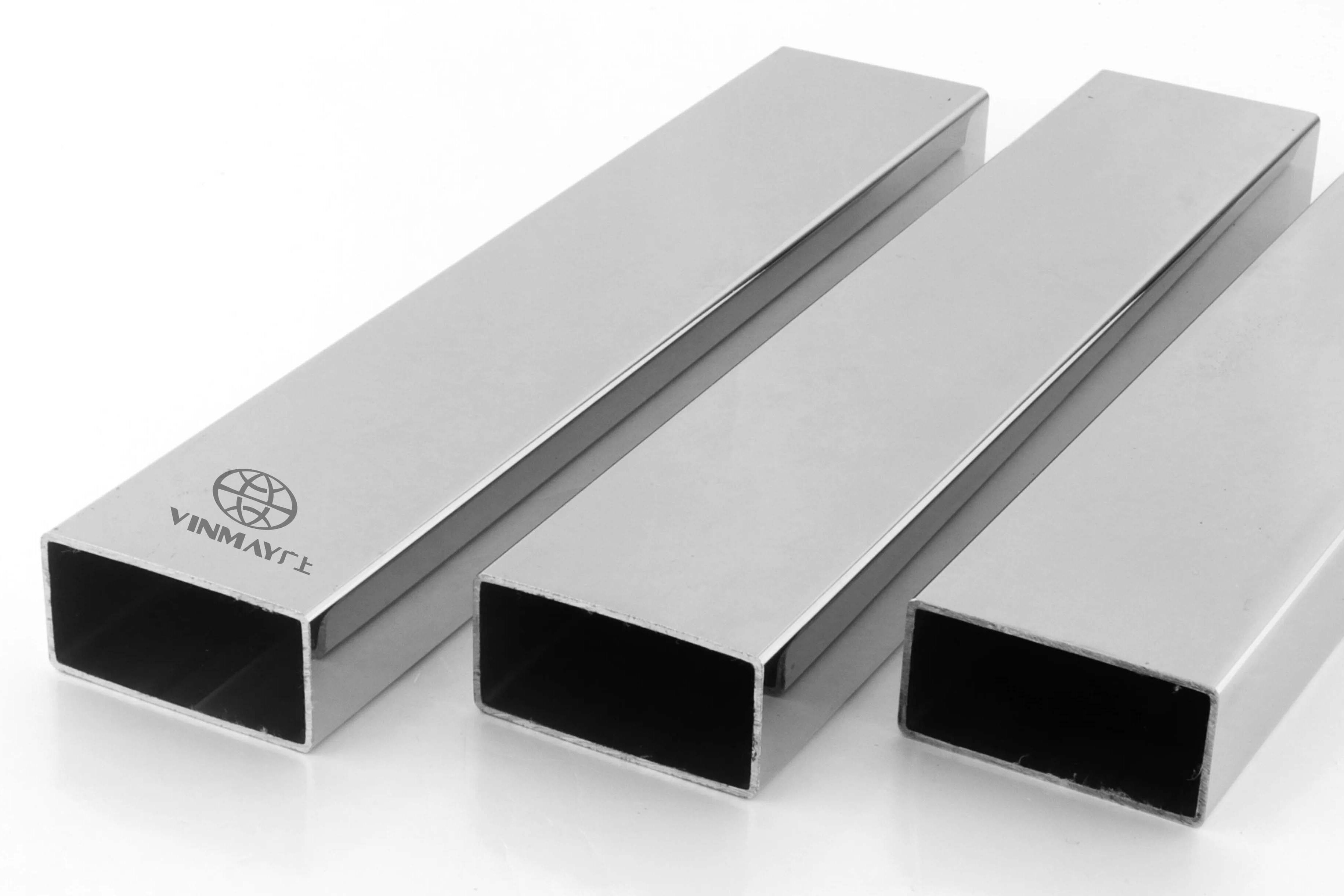
When loads are primarily directional rather than uniform, rectangular tubes are often the more efficient choice.
Rectangular stainless steel tubes, a fundamental component in structural engineering, offer targeted strength along a specific axis, optimizing performance under directional loads.
This design feature makes them more effective than square tubes in particular structural layouts, delivering enhanced efficiency.
When considering how to choose a tube shape, one must assess the application’s specific load requirements and structural demands, as rectangular tubes excel where directed strength is paramount.
For precise selection, consulting a rectangular stainless steel tube guide can provide insights into standard sizes and configurations.
While core shapes cover most structural needs, many applications require more specialized geometries to meet specific functional or design requirements.
Specialty stainless steel tube shapes, including oval and elliptical tubes, slotted tubes, and hexagonal or polygonal tubes, serve niche applications that require unique mechanical properties and aesthetic considerations.
These profiles offer enhanced structural integrity, improved surface area, and specialized fitting capabilities for complex engineering designs.
Custom tube profiles further extend possibilities, allowing for precise tailoring to specific project requirements, thereby optimizing performance and functionality in specialized industrial contexts.
Oval and elliptical tubes, distinct forms within the category of specialty stainless steel tube shapes, offer unique attributes that enhance both function and aesthetics.
Oval tubes usually refer to rounded profiles with softened sides, while elliptical tubes follow a more mathematically consistent curved profile. In practical buying terms, both are often specified by major axis, minor axis, and wall thickness.
These profiles, particularly the oval stainless steel tube, provide a softer visual appearance ideal for applications where ergonomics and design aesthetics are prioritized. The tubular structure offers a balanced combination of structural strength and visual appeal, making it suitable for architectural and interior design projects.
These attributes make them a preferred choice for designers seeking both form and function.
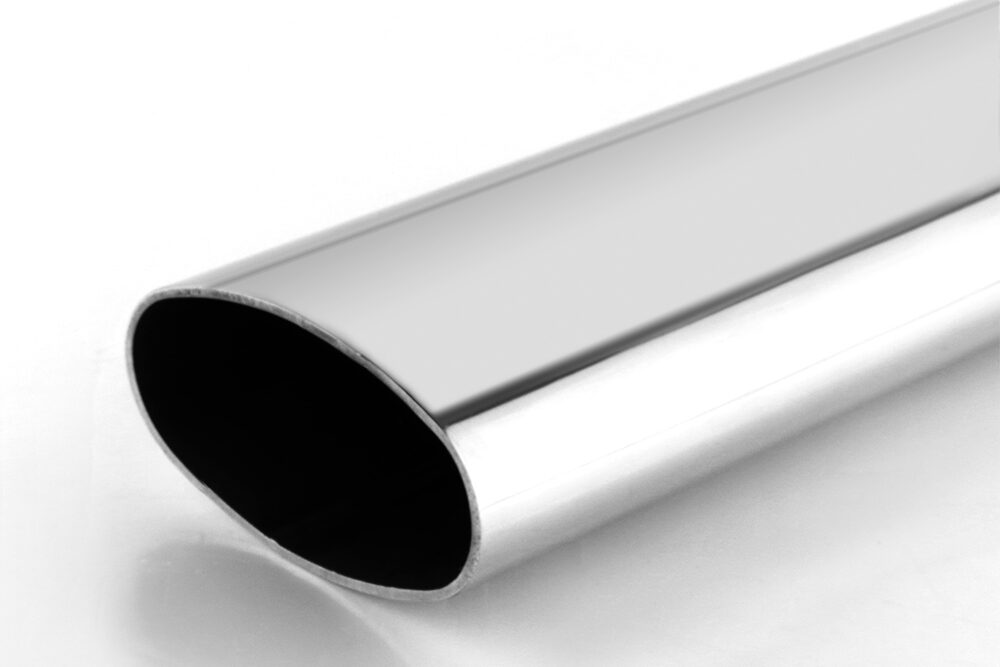
D-shaped and flat-sided oval tubes are specialized profiles designed to combine the benefits of both curved and flat geometries. These shapes feature a rounded outer surface for improved ergonomics and visual appeal, along with a flat side that simplifies mounting, alignment, and connection.
This hybrid geometry makes them particularly useful in applications where both comfort and installation efficiency are important. Compared to fully round tubes, the flat surface allows for more stable fixing against walls or supporting structures, reducing the need for complex fittings or adjustments during assembly.
As a result, D-shaped and flat-sided oval tubes are commonly used in handrail systems, furniture frames, and architectural elements, where both functional performance and refined design are required. Their ability to balance aesthetics with practicality makes them a preferred choice in projects that demand both form and ease of integration.
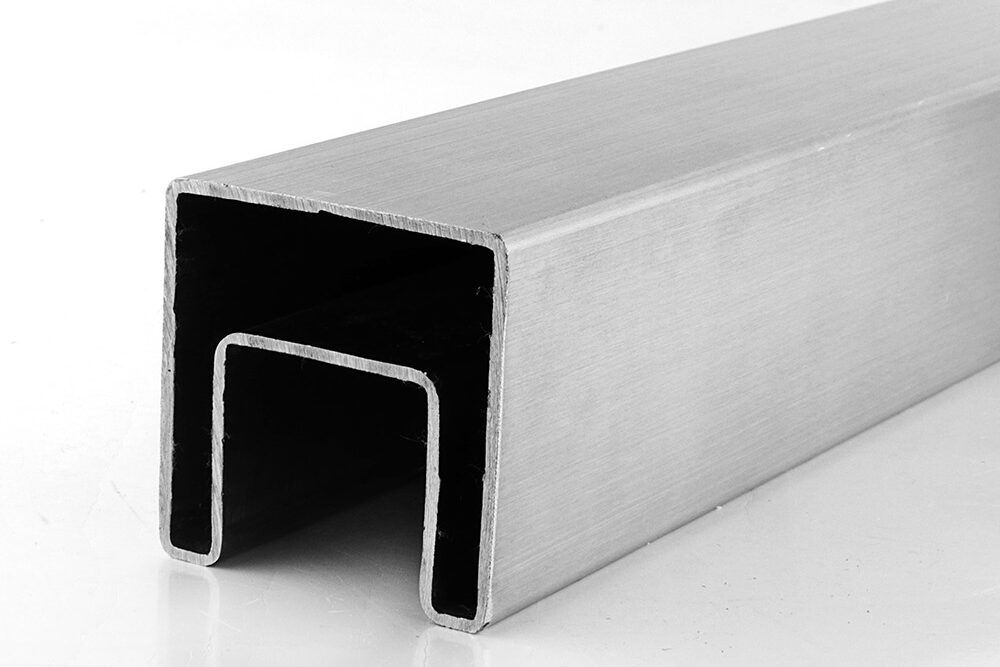
Slotted and perforated stainless steel tubes are both classified as open-profile geometries, but they differ significantly in structure, performance, and typical use cases.
Slotted tubes feature elongated, linear openings that run either along the length of the tube or in controlled patterns. This geometry allows for efficient drainage, directional airflow, and visual integration, making slotted profiles suitable for applications where both function and appearance matter.
Perforated tubes, on the other hand, are defined by repeated holes—these may be round, square, or custom-shaped and arranged in uniform or staggered patterns. This design provides a higher degree of surface-area exposure, making perforated tubes more effective for controlled airflow, filtration, and diffusion-based applications.
From a shape perspective, the key difference lies in how material is removed:
In practice, the choice between these two profiles depends on whether the design prioritizes directional flow and visual continuity (slotted) or even distribution and maximum open area (perforated).
Hexagonal and polygonal stainless steel tubes represent a specialized category within tube manufacturing, offering unique geometric configurations that cater to specific engineering and design needs. These stainless steel tube types are less common but find their niche in applications requiring distinct mechanical or aesthetic properties.
Such shapes provide targeted solutions, maximizing functionality and design potential within specialized fields.
Custom tube profiles in stainless steel represent a sophisticated evolution in tube manufacturing, addressing the limitations of standard shapes. These profiles are engineered to meet precise specifications, utilizing techniques such as laser cutting and bending to achieve desired geometries. This customization allows for the creation of hybrid shapes that can fulfill specific project requirements, enhancing functionality and performance.
The process begins with detailed design and material selection, ensuring compatibility with intended applications. Advanced fabrication methods enable the production of complex structures while maintaining the inherent strength and corrosion resistance of stainless steel.
After understanding the different tube shapes, the next consideration is how these profiles are actually supplied in the market, including standard sizes and availability.
Stainless steel tube shapes are available in a wide range of sizes, but not all shapes offer the same level of standardization, availability, or lead time.
Understanding typical size ranges and supply characteristics helps buyers and engineers make more realistic decisions—especially when balancing design requirements, cost, and procurement timelines.
Different tube shapes are commonly produced within specific dimensional ranges. While exact availability varies by manufacturer and region, the following provides a general reference:
| Tube Shape | Typical Size Range | Typical Wall Thickness |
|---|---|---|
| Round Tube | 6 mm – 610 mm (OD) | 0.5 mm – 50 mm |
| Square Tube | 10 × 10 mm – 400 × 400 mm | 1 mm – 20 mm |
| Rectangular Tube | 20 × 10 mm – 500 × 200 mm | 1 mm – 20 mm |
| Oval / Elliptical Tube | Custom major/minor axes | 1 mm – 10 mm |
| Slotted / Perforated Tube | Based on base profile | Depends on slot / hole design |
These ranges represent commonly available products. Outside of these dimensions, tubes are typically considered non-standard or custom.
View full stainless steel tube size list by shape →
In practice, tube shapes fall into two categories:
As a general rule, the more complex the shape, the more likely it is to require customization.
Availability varies significantly depending on the geometry:
These differences directly affect procurement flexibility and project planning.
Availability is closely tied to how different tube shapes are manufactured, which directly impacts cost, lead time, and achievable geometry.
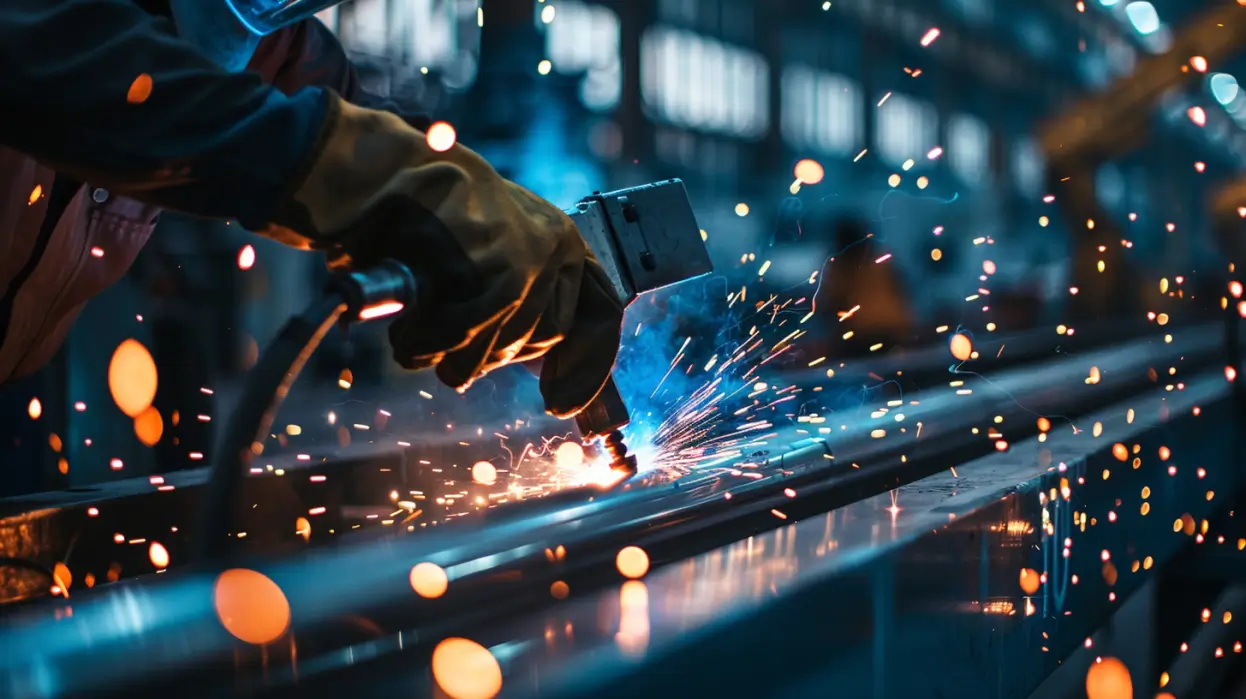
The manufacturing process of stainless steel tubes is closely related to their shape. While this topic is often treated as a separate technical subject, it has direct implications for shape availability, dimensional accuracy, structural behavior, and cost.
Understanding how different tube shapes are produced helps buyers and engineers make more informed decisions during specification and procurement.
Stainless steel tubes are generally produced using two primary methods: seamless and welded manufacturing.
From a shape perspective, this leads to a key practical distinction:
This difference affects not only availability but also cost, lead time, and performance considerations in certain applications.
Unlike round tubes, square and rectangular tubes are not produced directly in their final shape. They are typically manufactured by cold forming round welded tubes into the desired profile.
This process introduces several important characteristics:
In practical terms, this means that square and rectangular tubes offer structural and fabrication advantages, but the forming process influences their geometry. This is particularly relevant in applications requiring high precision or uniform stress distribution.
For welded tubes, the position of the weld seam is an often-overlooked but important factor.
This can influence:
While modern manufacturing techniques produce high-quality welds, understanding seam location remains relevant in design-sensitive or load-critical applications.
The production method also affects dimensional precision and surface quality.
For most standard stainless steel tube shapes, especially square and rectangular profiles, cold-formed welded tubes are the most common due to their balance of precision, availability, and cost.
Once tube shapes and their manufacturing characteristics are understood, accurate measurement and specification become essential to ensure the correct product is selected.
Accurate measurement and specification are essential when working with stainless steel tube shapes. Unlike pipes, which often follow nominal sizing systems, tubes are defined by precise geometric dimensions that vary depending on their shape.
Understanding how these dimensions are defined and measured helps prevent ordering errors, installation issues, and performance mismatches—especially when dealing with non-standard or specialty profiles.
Every stainless steel tube is defined by three key parameters: outer dimension, wall thickness, and inner dimension.
The outer diameter (OD) or outer dimension refers to the external size of the tube. For round tubes, this is the diameter. For square and rectangular tubes, it refers to the outside edge length (or width and height in the case of rectangular profiles).
The wall thickness (WT) is the thickness of the tube wall, measured between the outer and inner surfaces. This value directly affects strength, weight, and pressure resistance.
The inner diameter (ID) or internal dimension is derived from the outer size and wall thickness. The fundamental relationship is:
ID = OD − 2 × WT
This equation applies across all hollow sections, regardless of shape. For rectangular tubes, the same logic is applied separately to each side.
Understanding this relationship is essential in practice. Tubes with identical outer dimensions can perform very differently depending on wall thickness, making it a critical parameter in both structural and fluid applications.
Accurate measurement depends on both the tube shape and the tools used.
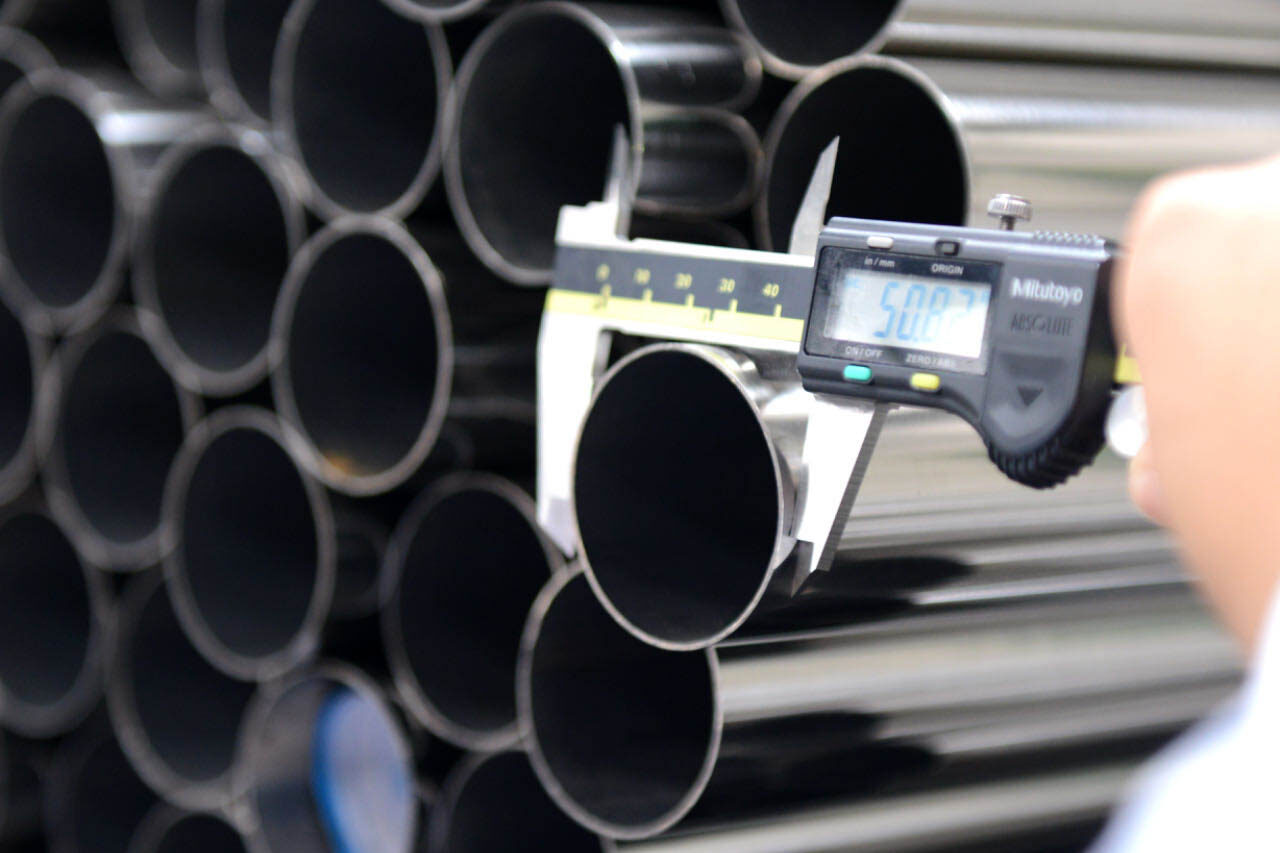
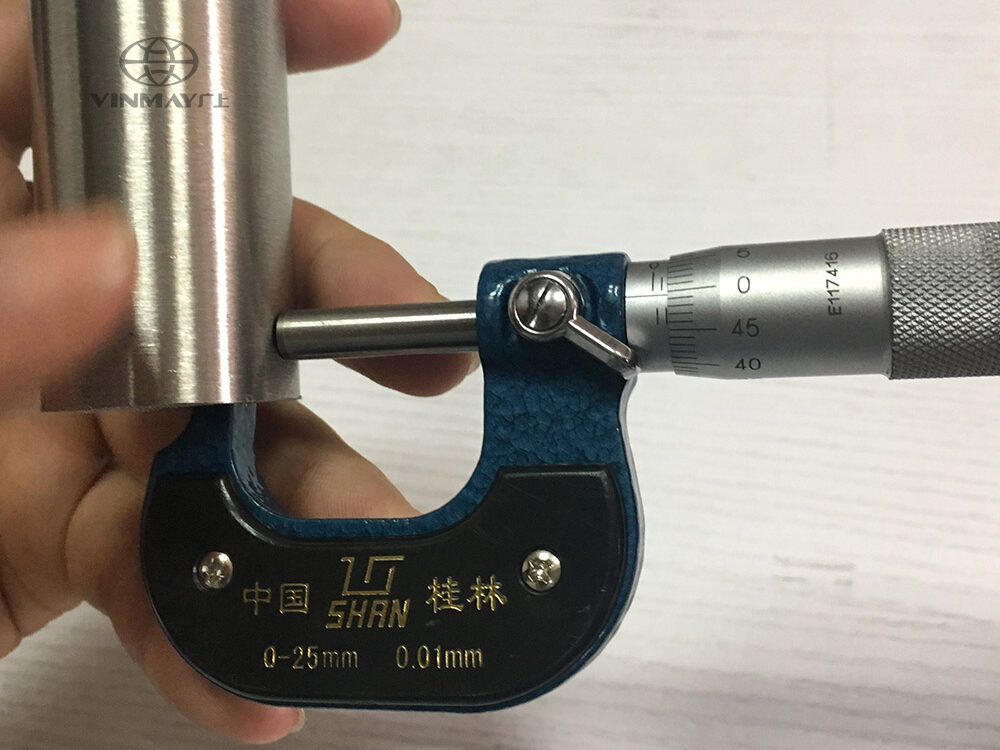
For round tubes, the most reliable method is to measure the outer diameter using a vernier caliper or micrometer. Measurements should be taken at multiple points—ideally at two perpendicular positions—to account for slight ovality and ensure accuracy. Measuring circumference and dividing by π is not recommended, as surface irregularities can introduce errors.
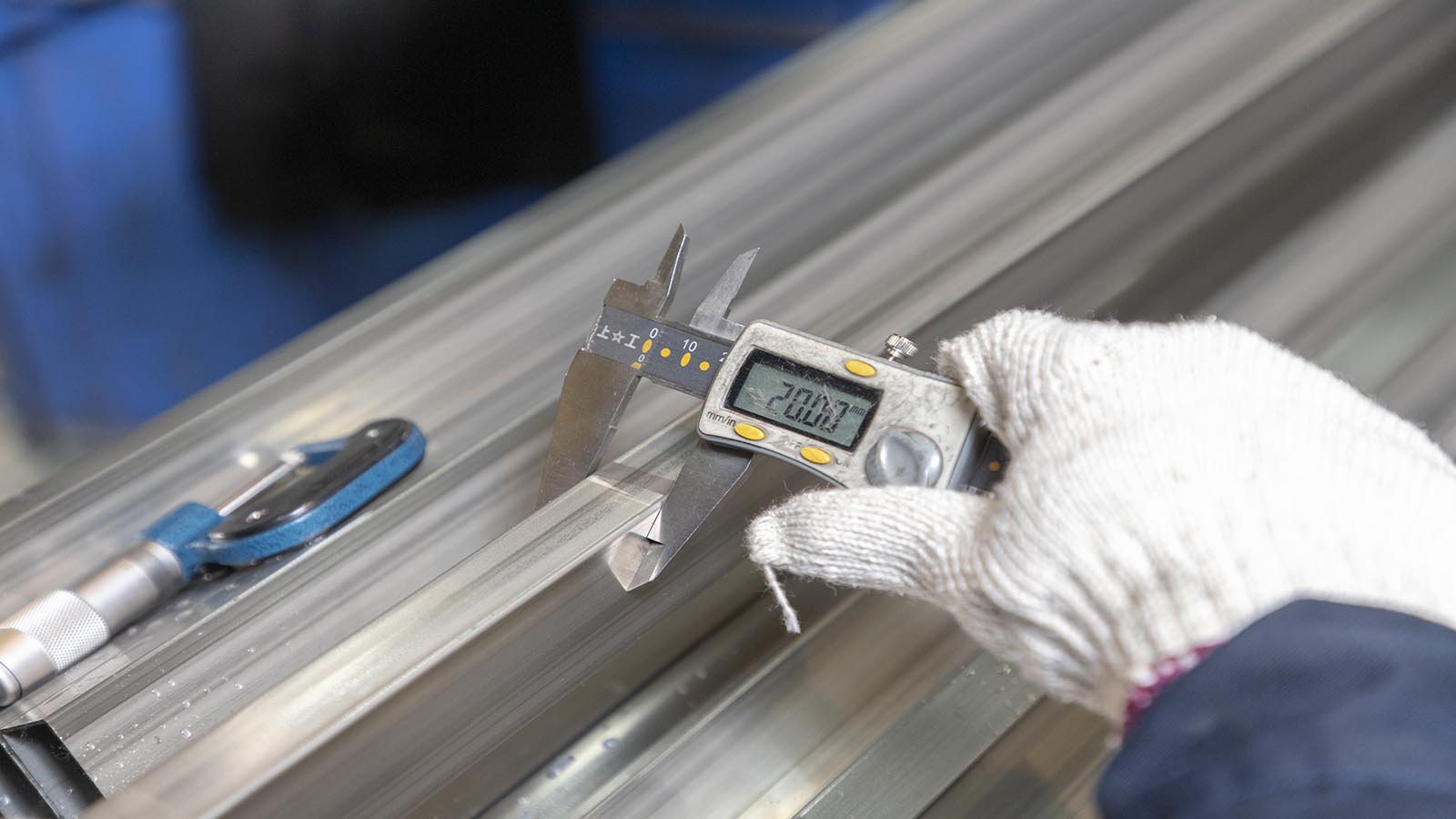
For square tubes, measurement is taken across two opposite flat surfaces using a caliper. The process should be repeated in both directions to confirm consistent dimensions.
For rectangular tubes, both the long side (A) and short side (B) must be measured independently.
Wall thickness can be measured by placing a caliper inside the tube end or by using an ultrasonic thickness gauge on the outer surface. Care should be taken to avoid measuring at corner radii, where the thickness may differ slightly from the flat sections.
Common errors include confusing inner and outer dimensions, relying on a single measurement point, or applying pipe measurement standards to tubes. In engineering and procurement contexts, these small mistakes can lead to significant specification issues.
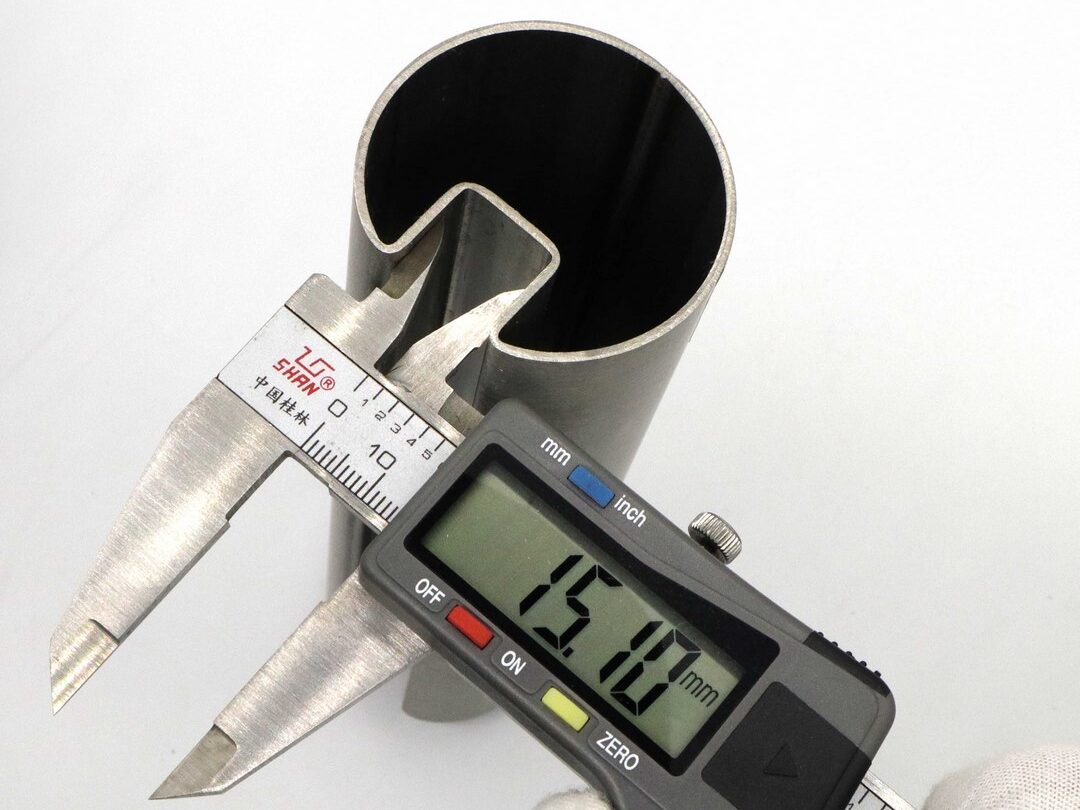
Specialty tube shapes require additional parameters to fully define their geometry.
1. Oval and Elliptical Tubes
Measure the major axis (longest dimension) and minor axis (shortest dimension), along with wall thickness.
These dimensions describe the overall profile shape and curvature.
2. Slotted Tubes
In addition to the base profile (round, square, or rectangular), specify:
These functional features are critical for applications involving airflow, drainage, or screening.
3. Custom Profiles
Standard measurement methods are not sufficient.
Custom tubes must be defined using technical drawings, including full cross-sectional geometry, tolerances, and critical dimensions.
Because specialty shapes are less standardized, clear and complete specifications are essential to avoid misinterpretation during production or procurement.
The table below provides a quick reference for how each tube shape is measured and specified in practice:
| Tube Shape | Key Dimensions to Specify | Description |
|---|---|---|
| Round Tube | Outer Diameter (OD) × Wall Thickness (WT) | Defined by circular diameter and wall thickness. Inner diameter (ID) is derived from OD − 2 × WT. |
| Square Tube | Side Length × Wall Thickness | Measured across flat surfaces. All sides are equal, making it easy for alignment and connection. |
| Rectangular Tube | Width (A) × Height (B) × Wall Thickness | Requires two external dimensions. Used where directional strength or space optimization is needed. |
| Oval / Elliptical Tube | Major Axis × Minor Axis × Wall Thickness | Defined by the longest and shortest diameters. Common in ergonomic and design-focused applications. |
| Slotted Tube | Base Profile + Slot Size + Slot Spacing + Wall Thickness | Requires both structural dimensions and slot geometry (length, width, spacing, pattern). |
| Hexagonal / Polygonal Tube | Across Flats (AF) or Across Corners (AC) × Wall Thickness | Measured based on geometric reference points depending on design requirement. |
| Custom Profiles | Drawing-Based Dimensions | Defined by technical drawings including full cross-section geometry, tolerances, and critical features. |
Even experienced buyers and engineers can make errors when specifying stainless steel tube shapes. The most common issues include:
Avoiding these mistakes improves measurement accuracy, reduces the risk of rework, and ensures that the selected tube performs as expected in real-world applications.
Beyond dimensions and specifications, tube shape also plays a key role in determining weight and overall material efficiency.
Tube shape influences not only structural performance, but also how material is distributed within the cross-section. Even when tubes share similar outer dimensions, different geometries can result in noticeable differences in weight and efficiency.
Round tubes distribute material evenly around the circumference, making them highly efficient for handling uniform loads with minimal material usage. Square and rectangular tubes introduce flat surfaces and corner concentrations, which may slightly increase weight but improve connection and structural stability.
Specialty shapes—such as oval or slotted profiles—can either reduce or redistribute material depending on design intent, often balancing weight with functional requirements like airflow, drainage, or aesthetics.
In practice, shape selection is not only about strength, but also about achieving the right balance between material efficiency, structural performance, and application needs.
For detailed methods on calculating stainless steel tube weight, refer to our dedicated guide.
With these fundamentals in place, it becomes easier to compare tube shapes directly and understand their key performance differences.
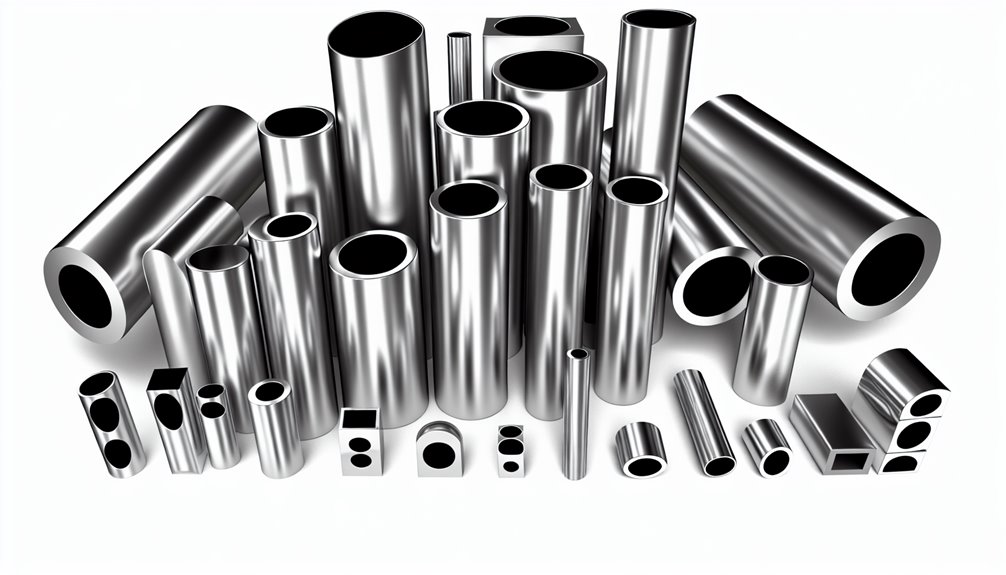
Analyzing the key differences between stainless steel tube shapes reveals significant variations in strength distribution and load behavior, which directly affect their structural applications.
The surface geometry influences connection behavior, impacting the ease and security of joining processes.
Moreover, considerations of space efficiency and layout impact, alongside visual and design characteristics, play essential roles in selecting the appropriate tube shape for specific architectural or industrial purposes.
Round, square, and rectangular stainless steel tubes exhibit distinct strength distribution and load behavior characteristics. Round tubes excel in evenly distributing stress across their circumference, making them ideal for applications requiring uniform load handling.
Conversely, square and rectangular tubes offer enhanced directional strength and rigidity, beneficial in structural applications where loads are primarily in specific directions.
Understanding these properties enables informed decision-making, ensuring the selection of the most suitable tube profile for structural integrity and performance.
Surface geometry plays an essential role in determining the connection behavior of stainless steel tube shapes.
Square and rectangular tubes, with their flat surfaces, facilitate straightforward welding and joining processes. This simplicity arises from the ease with which these shapes align, allowing for efficient and precise connections.
In contrast, round tubes necessitate specialized fittings due to their curved surfaces. These fittings are critical for maintaining structural integrity and ensuring secure connections, requiring careful consideration in design and implementation.
The choice between flat and round geometries greatly impacts the complexity and reliability of the connection methods employed. Understanding these differences is important for optimizing assembly procedures and achieving desired outcomes in structural applications, offering control over construction methodologies and performance specifications.
The geometry of stainless steel tube shapes considerably influences space efficiency and layout configurations.
Rectangular and square tubes often integrate more seamlessly into compact or structured environments than their round counterparts. This is primarily due to their ability to align flush against surfaces, minimizing wasted space. Their angular profiles offer distinct advantages when considering load distribution and support.
These attributes make shape selection pivotal in optimizing spatial arrangement and achieving desired structural outcomes.
Stainless steel tube shapes play an essential role in defining the visual and design characteristics of a structure. The choice of shape greatly impacts appearance, particularly in architectural and visible applications.
Circular tubes offer a smooth, continuous line, enhancing sleek modern aesthetics. In contrast, square and rectangular tubes provide a robust, angular presence, complementing contemporary or industrial designs. Oval and elliptical shapes introduce subtle curves, balancing between elegance and strength.
Each shape's geometry influences light reflection and shadow play, contributing to the overall visual dynamics. Therefore, selecting the appropriate profile requires careful consideration of the desired aesthetic effect and the surrounding design elements.
Attention to these details guarantees harmony and coherence in the final architectural expression.
Understanding the differences between tube shapes is only useful if it can be applied in practice. The next step is translating this knowledge into a clear selection process.
Selecting the appropriate stainless steel tube shape requires a systematic approach, beginning with defining the tube's functional role to guarantee alignment with operational demands.
Analyzing the load direction is essential for determining structural integrity, while considering connection and assembly facilitates ideal integration into existing systems.
Evaluating spatial constraints and utilizing a quick selection guide further refines the decision-making process, assuring efficiency and accuracy.
Understanding the intended role of a tube is essential in determining the appropriate shape for its application. Whether it serves a structural, decorative, or functional purpose, each role demands specific characteristics from the tube shape.
A structural tube must possess strength and stability, often requiring rectangular or square profiles for ideal load distribution. Decorative tubes, on the other hand, emphasize aesthetics and may utilize more varied or intricate shapes.
Functional tubes might prioritize flow efficiency or thermal conductivity, influencing the choice of circular or elliptical forms.
Deciding the role guides the shape selection process.
How does load direction influence the choice of tube shape? When selecting a stainless steel tube profile, understanding load direction is critical.
A uniform load across all axes suggests the use of a round tube, as its geometry evenly distributes stress, enhancing stability and reducing potential points of failure.
Conversely, when dealing with directional loads, rectangular tubes are preferred due to their ability to handle bending stress along specific axes. The rectangular profile provides enhanced rigidity where needed, aligning structural integrity with the direction of applied forces.
This analytical consideration guarantees that the selected tube shape optimizes performance, maintains structural integrity, and meets the engineering demands of the application.
Precision in understanding load direction is essential for effective tube selection.
Connection and assembly are pivotal factors in choosing the appropriate stainless steel tube shape. These elements influence the ease and efficiency of integrating the tube into a structure.
Flat surfaces, known for simplifying installation and fabrication, can be particularly advantageous. When selecting a tube shape, it is essential to evaluate how connections will be made and how assembly can be streamlined.
Evaluating spatial constraints is a critical step in selecting the appropriate stainless steel tube shape, following the evaluation of connection and assembly needs. This process involves analyzing the available space to guarantee the chosen profile fits efficiently within the designated area.
It requires a precise assessment of dimensions and tolerances to avoid interference with surrounding structures. Rectangular or square tubes may offer a more space-efficient solution compared to round tubes in tight configurations due to their flat surfaces and cornered edges.
Additionally, the orientation and installation method should be considered to enhance spatial usage. By meticulously evaluating these constraints, one can guarantee the selected tube shape aligns with both spatial limitations and functional requirements, thereby achieving an ideal balance in design and application.
Selecting the right stainless steel tube shape becomes much simpler when you start with the primary design priority. Instead of comparing every option, focus on what the tube needs to achieve in the final application.
This approach helps narrow down the best option quickly, ensuring the selected tube shape aligns with both performance requirements and design intent.
To simplify decision-making further, the comparison below provides a practical overview of how each shape performs across common design requirements.
Selecting the right stainless steel tube shape becomes much easier when comparing profiles against real design priorities. The matrix below provides a practical overview of how each shape performs across common requirements, helping you quickly narrow down the best option.
| Design Requirement | Round | Square | Rectangular | Oval / Elliptical | Slotted / Perforated |
|---|---|---|---|---|---|
| Uniform load distribution | ✔ | △ | △ | △ | ✖ |
| Directional strength | △ | ✔ | ✔✔ | △ | ✖ |
| Structural framing | △ | ✔✔ | ✔✔ | ✖ | ✖ |
| Ease of connection (flat surfaces) | ✖ | ✔✔ | ✔✔ | △ | △ |
| Space efficiency (tight layouts) | △ | ✔ | ✔✔ | ✔ | △ |
| Aesthetic / architectural design | ✔ | ✔ | ✔ | ✔✔ | ✔ |
| Ergonomic handling | ✔ | △ | △ | ✔✔ | ✖ |
| Aesthetic/architectural design | ✖ | ✖ | ✖ | ✖ | ✔✔ |
| Fabrication simplicity | ✔✔ | ✔ | ✔ | △ | △ |
| Cost efficiency (standard supply) | ✔✔ | ✔ | ✔ | △ | ✖ |
While comparison tables highlight strengths, it’s equally important to understand the limitations of each tube shape in real-world applications.
While each stainless steel tube shape offers distinct advantages, no profile is universally suitable for every application. Understanding the limitations of each shape helps avoid inefficient designs, unnecessary costs, and performance issues. Selecting the wrong geometry can lead to alignment difficulties, reduced structural efficiency, or increased fabrication complexity.

Round tubes provide excellent uniform strength and are highly efficient under pressure. However, their curved surface can create challenges in fabrication and installation.
Because they lack flat sides, round tubes are often harder to align, weld, or securely mount against flat surfaces without the use of specialized fittings or additional supports. This can increase assembly time and complexity, particularly in framing or connection-heavy structures.
In applications where precise alignment, modular assembly, or flat-surface connections are required, alternative shapes such as square or rectangular tubes may offer better practicality.
Square tubes are widely used in structural systems due to their symmetrical geometry and ease of connection. However, they are not always the most efficient option when loads are directional.
Because their strength is distributed equally across all sides, square tubes may use more material than necessary in applications where forces act predominantly in one direction. This can lead to reduced structural efficiency compared to rectangular profiles designed for directional load performance.
In cases where weight optimization or targeted strength is critical, square tubes may not provide the most efficient solution.
Rectangular tubes are specifically designed to handle loads along a defined axis, making them highly efficient in directional applications. However, this advantage depends heavily on correct orientation during installation.
If a rectangular tube is installed incorrectly—rotated away from its intended load direction—its structural efficiency can be significantly reduced. This can compromise performance and negate the benefits of its design.
Additionally, rectangular profiles may introduce complexity in design and installation when load conditions are not clearly defined or vary across multiple directions.
Specialty tube shapes, including oval, slotted, polygonal, and custom profiles, are designed for specific functional or aesthetic purposes. While they offer unique advantages, they also introduce additional considerations.
These shapes are often less standardized, which can lead to longer lead times, higher production costs, and limited availability compared to core profiles. In addition, fabrication, connection, and replacement may require specialized processes or components.
For general structural or widely used applications, standard shapes such as round, square, and rectangular tubes typically provide a more cost-effective and readily available solution.
Many selection issues arise not from a lack of options, but from common decision-making mistakes during specification.
Selecting stainless steel tube shapes based solely on aesthetic appeal can lead to significant functional inefficiencies.
A failure to evaluate load direction might result in structural inadequacies, while opting for unnecessarily complex custom profiles can drive up costs without substantial benefits.
Additionally, misunderstanding the trade-offs between round and square tubes can affect both the performance and cost-effectiveness of the application.
While the aesthetic appeal of stainless steel tube shapes can be enticing, prioritizing appearance alone can overlook critical performance factors, leading to inefficient or unsafe designs.
A purely visual selection disregards essential characteristics such as structural integrity, weight distribution, and material efficiency. This oversight can compromise the application's functionality and safety.
Critical analysis and consideration are essential to avoid pitfalls such as:
Effective design demands a balance between form and function.
Ignoring load direction when choosing tube shapes can markedly compromise structural efficiency and safety. When structural applications demand directional strength, the selection of tube shape becomes critical.
Round tubes, while versatile, distribute stress uniformly, which can be inefficient in scenarios requiring specific directional strength. For instance, rectangular or square tubes may offer superior performance in applications where bending loads are predominant in one direction. The inherent geometry of these shapes allows for enhanced load-bearing capacity along specified axes.
Engineers must conduct a thorough analysis of expected load paths and environmental conditions to guarantee the chosen profile aligns with structural demands. This precision in selection mitigates inefficiencies and guarantees the integrity and longevity of the construction.
When engineers resort to custom profiles, complexity and cost can quickly escalate without proportional benefits. Standard shapes often provide the ideal balance of cost and performance, making custom designs a potential misstep unless absolutely necessary.
Custom profiles may introduce unforeseen challenges, such as increased material waste and extended fabrication times, which can hinder project efficiency. Additionally, specialized tools and processes are often required, further inflating costs.
Selecting standard profiles is often a more controlled and effective strategy.
Understanding the trade-offs between round and square tube shapes is essential for optimizing design and functionality. Each shape serves a distinct purpose, and the absence of a universal solution requires a nuanced approach.
Round tubes offer superior resistance to torsional forces and are ideal for applications requiring fluid flow, as their shape minimizes turbulence. Conversely, square tubes provide enhanced rigidity and are better suited for load-bearing structures due to their flat surfaces, which facilitate easier connection and alignment.
A common mistake is assuming interchangeability without considering specific performance requirements. Round tubes, while effective in dynamic applications, might not offer the structural stability that square tubes provide.
Conversely, the rigidity of square tubes may lead to inefficiencies in fluid dynamics. Selecting the appropriate shape requires a thorough evaluation of the intended application and operational demands.
To address common concerns and reinforce key concepts, the following questions cover the most frequently searched topics related to stainless steel tube shapes.
The main stainless steel tube shapes include round, square, rectangular, oval, and slotted profiles. Round, square, and rectangular shapes are considered core shapes due to their wide use and predictable performance, while oval, slotted, and custom profiles are used for specialized structural, functional, or design-driven requirements.
Round tubes distribute stress evenly in all directions, making them ideal for uniform loads. Square tubes provide flat surfaces and balanced strength, which simplifies connections and framing. Rectangular tubes offer directional strength, allowing better performance when loads are applied along a specific axis or orientation.
Yes, stainless steel pipes are almost always round because they are designed for fluid and gas transport. The circular shape ensures consistent internal pressure distribution and smooth flow. Non-round profiles are classified as tubes, where shape is selected based on structural, spatial, or design requirements rather than flow performance.
There is no single strongest tube shape—it depends on how the load is applied. Round tubes are strongest under uniform pressure, while rectangular tubes provide better strength in one direction. Square tubes offer a balanced combination of strength and stability, making them suitable for general structural applications.
Oval tubes are typically used when ergonomics or visual design is important, offering a softer appearance and comfortable handling. Slotted tubes are used for functional purposes such as ventilation, drainage, or façade systems, where openings in the profile allow airflow, light passage, or integration into structural designs.
In the world of stainless steel tube shapes, each profile symbolizes a unique blend of strength and elegance, akin to the diverse tools in an artisan's workshop. Round tubes represent balance and uniformity, while square and rectangular shapes stand as pillars of stability under pressure. Specialty profiles, like the artist's brush, bring creativity to structural design. Selecting the right shape is akin to crafting a masterpiece, requiring precision to harmonize form and function without compromising structural integrity.