The difference between pipe and tube lies in their dimensions, standards, manufacturing priorities, and applications. Pipes are measured by Nominal Pipe Size (NPS) and are primarily designed for transporting fluids and gases in industrial systems. Tubes, specified by outside diameter and wall thickness, are used in structural, hygienic, and precision applications where tighter tolerances and surface quality are required. Pipe manufacturing focuses on flow capacity and large-scale efficiency, while tube production emphasizes dimensional accuracy, weld quality, and finish consistency. Understanding these differences helps determine whether pipe or tube is better suited for a specific mechanical, sanitary, or process application.
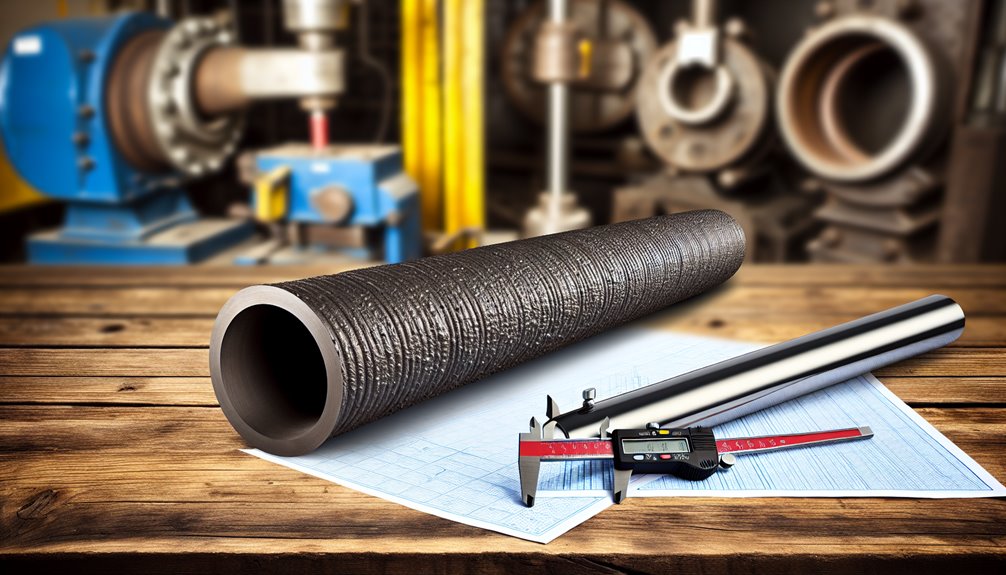
How do pipes and tubes truly differ? The distinction lies in their sizing and usage.
In the debate of pipe vs tube, pipes are ordered using the Nominal Pipe Size (NPS) standard, focusing on nominal diameter and schedule for wall thickness. This makes them ideal for transporting fluids and gases. Pipes often adhere to specific industry standards to ensure safety and performance. They are typically round and prioritize capacity over precise measurements.
Conversely, tubes are specified by their outside diameter and wall thickness, allowing for more precise applications in structural settings. Standard stainless steel tube sizes are crucial for ensuring compatibility and performance across various industries. Tubes made from 316 stainless steel offer superior corrosion resistance, making them suitable for demanding environments like marine applications. Duplex pipes, known for their superior strength, are also a valuable option in settings requiring enhanced durability.
This tube vs pipe sizing distinction is vital as tubes often feature tighter tolerances and can come in various shapes such as square or rectangular, unlike the always-round pipes.
Both pipes and tubes come in various types, including austenitic stainless steel, which is known for its high corrosion resistance and is commonly used in food processing and heat exchangers.
Understanding these differences is essential for selecting the right component for specific industrial and mechanical purposes.
The measurement of pipes and tubes involves distinct methods to guarantee clarity in their applications.
Pipes are typically measured using the Nominal Pipe Size (NPS) and schedule, which indicates the wall thickness, while tubes are specified by their precise outside diameter (OD) and wall thickness. Seamless tubes, due to their manufacturing process, often provide superior strength and durability in high-pressure environments. Compliance with international regulations ensures that stainless steel tubes meet global quality and safety standards.
This differentiation in measurement standards is essential for selecting the appropriate material for specific industrial and structural needs. Additionally, the SAE 3-digit system helps classify stainless steel pipes, ensuring the right selection based on corrosion resistance and other attributes.
Additionally, stainless steel welded round tubes are manufactured to meet various industry specifications such as A269 and A554, ensuring quality and performance across different applications. ASTM standards delineate precise dimensional tolerances critical for maintaining pressure integrity and ensuring a seamless fit in assembly processes.
Pipe sizing, defined by Nominal Pipe Size (NPS) and schedule, serves as a crucial aspect in determining the dimensions and capacity of pipe systems. The NPS is a standardized measurement reflecting the pipe's nominal diameter, not the actual outside diameter, which often leads to confusion with tube OD vs pipe nps.
Pipe schedule vs tube thickness further differentiates pipes, as pipes use schedule numbers to denote wall thickness. Understanding these concepts is essential for proper system design and application. Accurate measurements ensure compatibility and maintain system efficiency, especially in high-precision industries.
Cast iron pipes, known for their exceptional durability, offer advantages in sound attenuation, especially in high-rise buildings. Accurate weight calculations are vital for budgeting and safety in construction projects.
Additionally, stainless steel round tubes are favored for their durability and corrosion resistance, making them vital in various structural applications.
Accurate measurement is key to understanding tube sizing, which relies on the outside diameter (OD) and wall thickness. Unlike pipes, which are measured by nominal diameter and schedule, tubes are specified by their precise OD and wall thickness. This distinction is essential in applications requiring high precision and tolerance, such as in stainless steel pipe vs tube scenarios.
The tighter tolerances of tubes make them suitable for structural uses where exact dimensions are critical. Selecting the right wall thickness ensures structural integrity and optimal performance in various applications. Stainless steel tubes, known for their corrosion resistance, are ideal for environments demanding durability and longevity.
Industry standards such as ASTM A554 are crucial for ensuring consistency and safety in stainless steel tube applications. ASTM A554 covers welded stainless steel mechanical tubing, providing a framework for quality control. Compliance with ASTM A249 ensures that tubes meet standardized manufacturing requirements for quality and performance.
| Measurement Aspect | Tube Sizing |
|---|---|
| Specification | OD & WT |
| Shape | Various |
| Tolerance | Tight |
| Applications | Structural |
| Material | Stainless Steel |
Understanding tube sizing guarantees proper fit and function, avoiding costly errors in industrial applications.
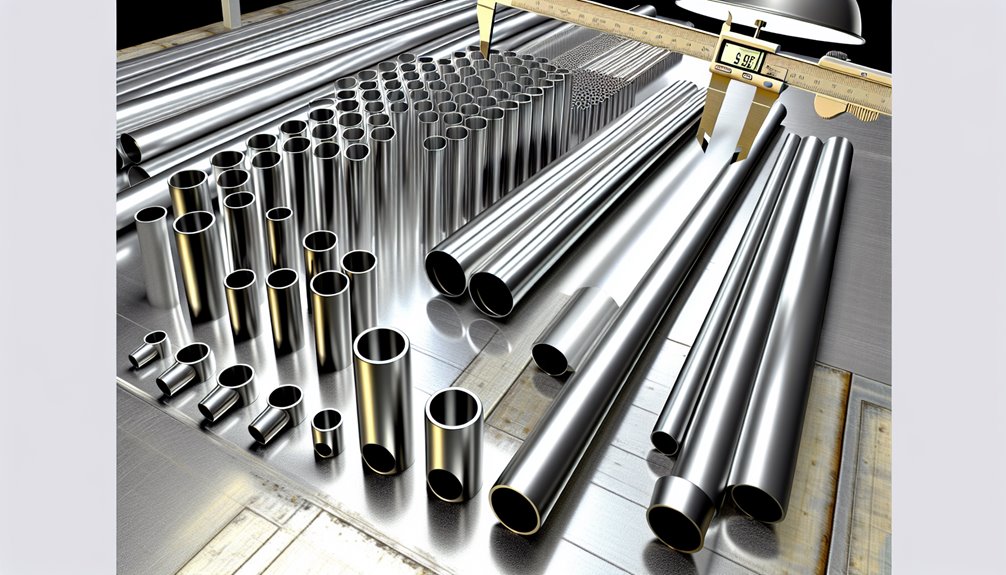
Precision in manufacturing often dictates the need for tighter dimensional tolerances in tubes compared to pipes. This difference is vital in applications where precision is paramount, such as in hygienic stainless steel tubing used in the pharmaceutical and food industries.
Tubes are held to stricter standards because:
Additionally, specifications and standards for these tubes ensure compliance with industry regulations, which is crucial for maintaining safety and quality in sensitive applications. Tubes crafted from 316L austenitic stainless steel offer superior corrosion resistance, making them ideal for pharmaceutical environments. Medical stainless steel tubing, for example, requires biocompatibility and corrosion resistance to meet stringent healthcare standards.
These factors make tubes more suitable for precise roles, contrasting with the broader tolerances acceptable in pipe manufacturing. Food-grade 304 stainless steel is often chosen for these applications due to its excellent corrosion resistance and durability, which are essential in maintaining hygiene and safety in food-related environments.
In examining the shape differences between pipe and tube, one finds that pipes are exclusively round, serving primarily for the transportation of fluids and gases. Conversely, tubes offer more versatility, being available in round, square, and rectangular shapes, which makes them suitable for a variety of structural and mechanical applications. This distinction in shape is a key factor in their respective uses and manufacturing processes.
Stainless steel square tubing is particularly valued for its superior corrosion resistance, making it ideal for diverse applications such as architectural and marine uses. Additionally, stainless steel welded square pipe provides extra structural stability, making it suitable for ornamental, structural, and automotive applications. Rectangular tube stainless steel is known for its exceptional strength and versatility, enhancing its use in both industrial and architectural projects.
Stainless steel round tubes, standardized under ASTM A554, are crucial for structural and decorative applications, offering both strength and aesthetic appeal. Understanding the importance of precise measurements ensures accurate fabrication and fitment, crucial for the success of any stainless steel square tubing project.
A fundamental distinction between pipes and tubes lies in their shape, with pipes consistently being round. This shape is essential for their primary function of transporting fluids and gases efficiently.
When exploring the difference between pipe and tube, it’s significant to recognize that tubes can be round, square, or rectangular, unlike pipes which are always round. This inherent roundness in pipes aids in maintaining consistent pressure and flow. Stainless steel pipes, due to their corrosion resistance, are particularly effective in chemically aggressive environments.
Additionally, 316 stainless steel pipes are preferred in marine environments for their enhanced durability against chloride exposure. Pipes like those made from 304 stainless steel offer excellent formability and weldability, making them versatile for various industrial applications. Galvanized pipes offer a cost-effective solution for less demanding environments where initial affordability is crucial.
Stainless steel round pipes, for example, adhere to standards such as ASTM A554 to ensure durability and performance. These distinctions highlight the versatility and specific applications of pipes.
While pipes consistently maintain a round shape for ideal fluid and gas transport, tubing offers greater versatility in form. Tubes come in round, square, and rectangular shapes, catering to diverse structural and mechanical applications. Rectangular tubes, in particular, provide enhanced load-bearing capacity due to their geometric design and material composition. Stainless steel square tubing is highly valued for its corrosion resistance, making it ideal for applications in harsh environments such as coastal construction.
The choice of shape influences the tube's strength, weight, and suitability for specific uses. Square and rectangular tubing is often preferred in construction and engineering due to its ability to bear loads and fit snugly into frameworks. Thin-wall stainless steel tubing, with its precision and tolerances, is critical in applications requiring high accuracy, such as fluid transport and structural integration. These tubes meet ASTM standards, ensuring quality and reliability in demanding applications.
Round tubing, on the other hand, is commonly used for applications requiring fluid dynamics and aerodynamics. The dimensional precision of tubing is critical, with tighter tolerances compared to pipes, ensuring reliability in high-precision environments across industries such as aerospace, automotive, and architecture.
When selecting stainless steel tubing, understanding project requirements is essential for optimal performance and longevity in specific applications.
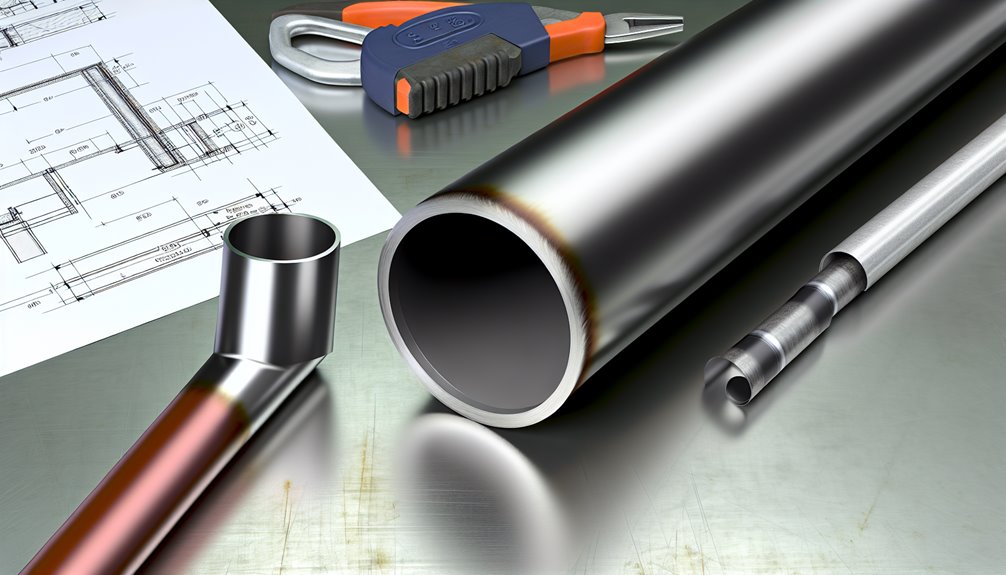
The manufacturing priorities for pipes and tubes differ substantially due to their distinct applications and standards. Pipe manufacturing focuses on volume and efficiency, utilizing automated processes to meet broader tolerances suitable for fluid and gas transport. In contrast, tube manufacturing prioritizes precision and strict tolerances, often requiring more labor-intensive methods to achieve the exact specifications needed for structural and mechanical applications.
Thick-walled pipes, produced through hot drawing, are ideal for high-stress environments due to their superior pressure resistance. Stainless steel pipes are known for their exceptional durability and corrosion resistance, making them highly reliable for various applications.
Additionally, stainless steel pipe manufacturing involves rigorous quality inspection at each stage to ensure durability and compliance with industry standards. Quality assurance systems play a crucial role in maintaining the high standards expected in stainless steel manufacturing. Seamless stainless steel tubes are preferred for high-pressure applications due to their excellent structural integrity and lack of welding seams.
Focusing on efficiency, pipe manufacturing prioritizes scalability and standardization to meet the demands of large-scale applications. Pipes are typically produced in large batches, emphasizing uniformity to simplify installation and maintenance. These manufacturing priorities guarantee the effective delivery of products across various industries, such as oil and gas.
These elements collectively contribute to the reliable production of pipes for diverse applications.
In tube manufacturing, precision and customization take precedence, catering to specific technical requirements across varied applications. Tubes are crafted with strict tolerances, guaranteeing exact outer diameters and wall thicknesses. This meticulous approach enables their use in diverse fields such as aerospace, automotive, and medical industries, where precise measurements are vital.
| Aspect | Tube Manufacturing | Pipe Manufacturing |
|---|---|---|
| Shape Options | Multiple (e.g., square, rectangular) | Round only |
| Tolerances | Tight | Loose |
| Material Types | Varied (e.g., carbon steel, stainless) | Broad range |
| Customization | High | Limited |
| Applications | Specialized | General |
This focus on precision not only enhances functionality but also assures safety and performance, especially in high-stakes environments.
Surface finish plays a critical role in the cleanability of industrial pipes and polished stainless tubing. In hygienic applications, a smoother surface minimizes the risk of contamination and enhances cleanability. Polished stainless tubing, renowned for its refined finish, is particularly suited for environments requiring stringent hygiene standards.
These factors highlight the importance of selecting the appropriate surface finish to meet specific cleanliness requirements, ensuring both functionality and safety in essential applications.
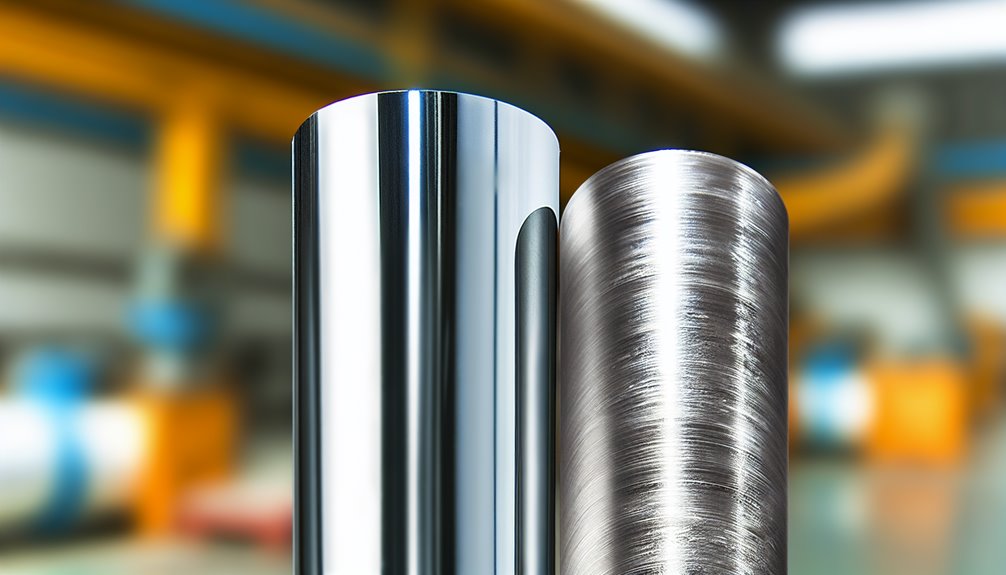
In stainless steel applications, pipes and tubes serve distinct roles based on their structural and functional properties.
Stainless steel pipes are typically used in industrial flow systems due to their ability to accommodate high-pressure fluids and gases.
Conversely, stainless steel tubes are preferred in hygienic and precision systems, offering tighter tolerances and superior surface finishes for applications requiring exact measurements and cleanliness.
Stainless steel pipes play an essential role in industrial flow systems due to their strength and durability. They are specifically designed for transporting fluids and gases across various industries, ensuring reliability and efficiency.
Their widespread use is attributed to several key factors:
The versatility and robust nature of stainless steel pipes make them indispensable in industrial settings, where precision and durability are paramount for seamless operations.
Building upon the robust functionality of stainless steel pipes in industrial flow systems, attention turns to stainless steel tubes, which are integral to hygienic and precision systems.
These tubes are pivotal in industries like pharmaceuticals and food processing, where cleanliness and precision are paramount. Unlike pipes, stainless steel tubes offer tighter tolerances and smoother finishes, facilitating easy cleaning and preventing contamination.
Their versatility in shape—ranging from cylindrical to square—enables them to fit specific requirements in complex systems. Additionally, stainless steel’s corrosion resistance guarantees longevity and reliability under rigorous conditions.
Tubes are manufactured to meet stringent standards, guaranteeing consistent performance in sensitive applications, making them indispensable in maintaining high standards of hygiene and precision.
When comparing pipes and tubes, their strength and pressure handling capabilities are essential distinctions. Tubes are generally stronger than pipes due to stricter manufacturing requirements and tighter tolerances. This strength makes tubes more suitable for applications demanding durability and precision.
These characteristics define their suitability for various industrial uses.
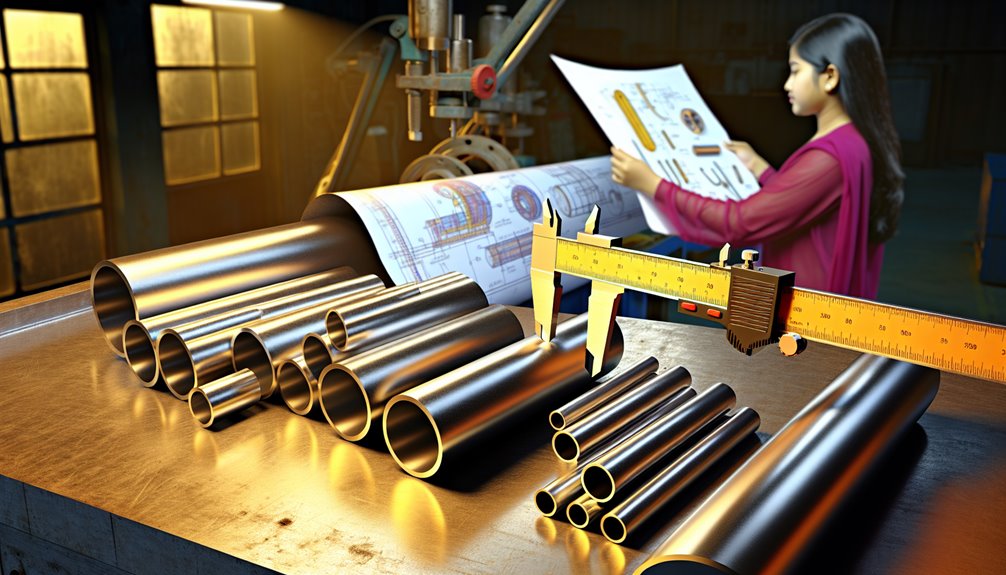
Pipes and tubes play vital roles in various sectors, each serving distinct purposes.
In industrial piping systems, pipes are essential for transporting fluids and gases, whereas tubes are preferred in sanitary and food-processing systems for their precision and cleanliness.
Additionally, tubes are integral to structural and mechanical applications, as well as heat exchangers and instrumentation, where accuracy and durability are paramount.
Industrial piping systems play an essential role in various sectors, providing crucial pathways for transporting fluids and gases. These systems are integral to industries such as oil and gas, chemical processing, and power generation. In these applications, pipes and tubes are chosen based on specific requirements such as pressure, temperature, and material compatibility.
These applications highlight the significance of selecting the right type of piping for efficiency and safety.
In various industries, efficient fluid and gas transport systems are crucial, and this importance extends into sanitary and food processing systems. Pipes and tubes in these settings must meet stringent standards to guarantee hygiene and prevent contamination.
Stainless steel is commonly used due to its corrosion resistance and ease of cleaning. Tubes are often preferred for their precise dimensions and tighter tolerances, essential for maintaining clean environments. They facilitate the transport of liquids, gases, and semi-solids under sanitary conditions.
The smooth inner surfaces minimize bacterial growth and facilitate easy sterilization. Compliance with regulations such as the FDA and 3-A Sanitary Standards is critical, ensuring that systems are safe for food contact and processing applications.
Structures and machinery rely heavily on the versatility and strength of pipes and tubes. These components serve essential roles across various industries due to their unique properties and adaptability.
Pipes are primarily used for transporting fluids and gases, making them important in plumbing, oil, and gas industries. Tubes, with their precise dimensions, are favored in structural and mechanical applications where accuracy and strength are paramount.
Key applications include:
Each application highlights the indispensable nature of pipes and tubes in modern engineering.
Pipes and tubes, known for their versatility and strength, are also integral to heat exchangers and instrumentation systems. These components rely on the precise dimensions and properties of tubes and pipes to facilitate efficient thermal transfer and accurate measurement. In heat exchangers, tubes often serve as conduits for fluids, maximizing surface area contact for heat transfer. Meanwhile, in instrumentation, tubes provide stability and precision, essential for accurate readings and control.
| Application | Role |
|---|---|
| Heat Exchangers | Fluid conduits for thermal transfer |
| Instrumentation | Stability and precision in measurements |
Their adaptability to various standards and materials guarantees peak performance across industries, from energy to chemical processing, highlighting the critical roles that pipes and tubes play in modern engineering applications.
When deciding between pipe and tube, how does one navigate their distinct characteristics and applications? The choice hinges on key factors such as usage, precision, and material requirements.
Understanding these aspects aids in making an informed decision.
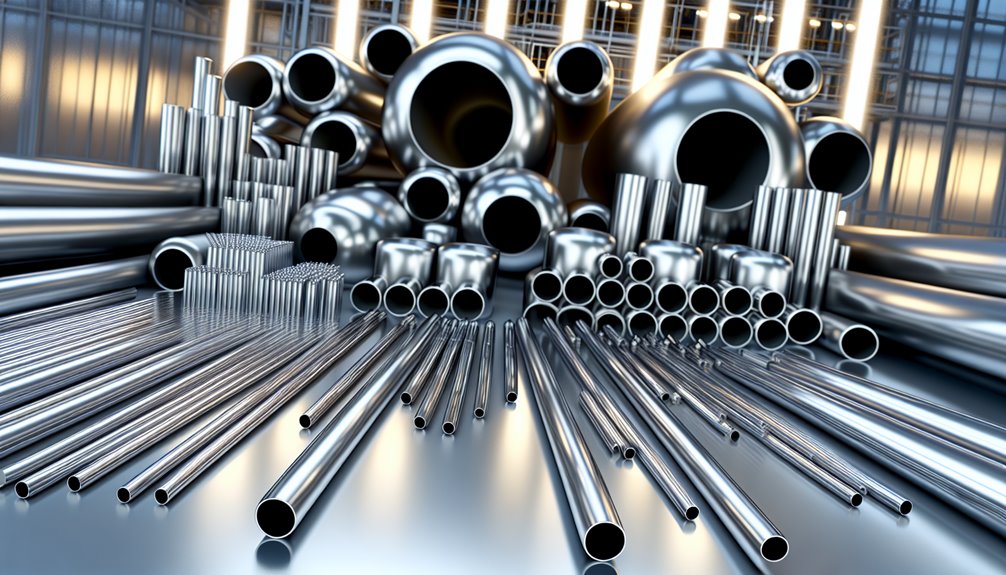
Crafting stainless steel tubing demands meticulous precision due to its crucial applications in industries requiring exceptional quality. The need for higher precision arises from factors such as surface roughness, weld quality, dimensional consistency, and hygienic compliance. Each aspect plays a significant role in guaranteeing the tubing meets industry standards and performs effectively in sectors like medical, aerospace, and food processing.
| Aspect | Importance | Industry Impact |
|---|---|---|
| Surface Roughness | Guarantees smooth fluid flow | Reduces contamination risk |
| Weld Quality | Provides structural integrity | Prevents leaks and failures |
| Dimensional Consistency | Maintains uniformity | Facilitates accurate installations |
| Hygienic Compliance | Meets sanitation requirements | Critical for food and medical sectors |
Precision in manufacturing stainless steel tubing guarantees reliability and safety, essential for demanding applications.
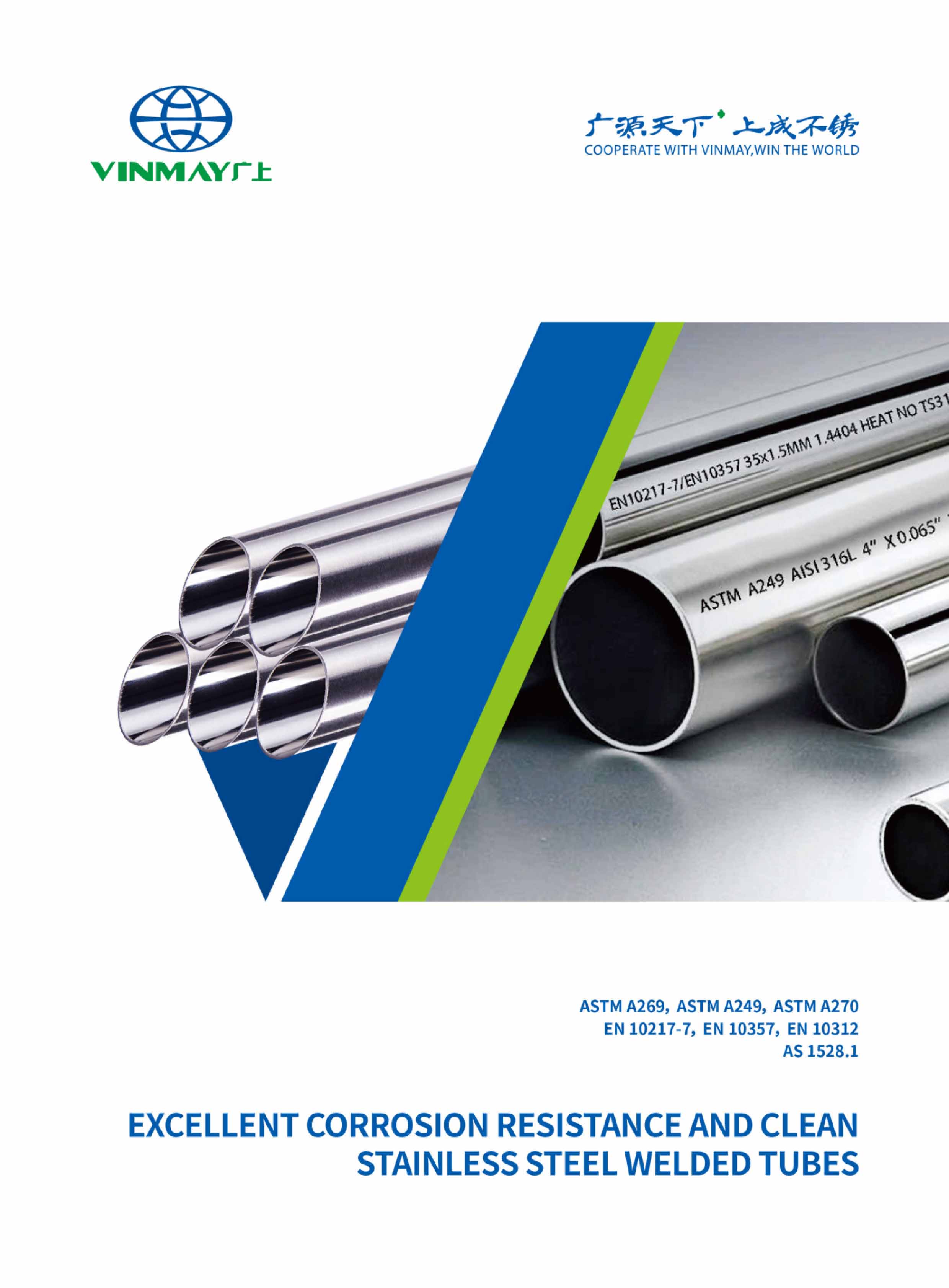
At Vinmay, we manufacture stainless steel tubes and pipes in accordance with internationally recognized standards, including ASTM, EN, and DIN, supporting applications that require reliable dimensional accuracy, controlled surface finish, and stable material performance. Our production focus on welded stainless steel tubing allows us to maintain tighter control over weld integrity, straightness, and surface consistency across hygienic and industrial systems.
For sanitary and precision applications, we provide welded tubing with controlled internal finishes suitable for food processing, pharmaceutical, water treatment, and other clean-process environments where cleanliness and corrosion resistance are essential.
With extensive export experience across global markets, we support stable supply, flexible specifications, and efficient delivery coordination for a wide range of stainless steel tubing and piping requirements.
Contact us to discuss technical specifications, material requirements, or stainless steel tube and pipe solutions for your project.
Pipes and tubes cannot be used interchangeably in all applications due to differences in dimensions, standards, and tolerances. Pipes are typically for fluid transport, while tubes are used in structural and precision applications, requiring specific characteristics.
The environmental impacts of pipe and tube production differ due to material usage and manufacturing processes. Tube production typically involves stricter tolerances, requiring more energy and resources, whereas pipes are produced more efficiently, impacting emissions and waste differently.
"When the heat is on, materials reveal their true nature." Temperature variations can expand or contract pipes and tubes, affecting their integrity, strength, and performance. Metals may weaken or become brittle, influencing their functionality.
Certifications for pipe and tube installations often include ASME, ASTM, and ISO standards, ensuring compliance with safety and quality requirements. Installers may need specific qualifications depending on industry regulations and application demands to guarantee proper installation.
The latest innovations in pipe and tube materials include advanced composites, corrosion-resistant alloys, and nanotechnology coatings. These enhance strength, durability, and efficiency, catering to evolving industrial demands and environmental considerations.
In the grand theatrical performance of industrial materials, pipes and tubes take center stage as the comedy duo that everyone confuses. Pipes, the robust carriers of gases and liquids, boast their roundness like a badge of honor, while tubes flaunt their shapeshifting abilities for structural feats. Yet, amid this comedic rivalry, choosing the right one becomes a serious act of discernment. So, dear professional, choose wisely—or risk the wrath of misaligned expectations and leaking dreams.