Manufacturing high-quality stainless steel tubes requires far more than simply shaping metal. From tube forming and welding to surface finishing and inspection, each stage of the production process directly influences the strength, corrosion resistance, and reliability of the final product. Engineers, manufacturers, and buyers all recognize that consistent manufacturing practices are essential for ensuring stainless steel tubes perform reliably in demanding industrial environments.
This guide explains the complete manufacturing journey of stainless steel tubes. It covers the core production processes used in modern tube mills, including forming methods, TIG, HF, and MIG welding techniques, surface finishing treatments, and quality control procedures. By understanding how these processes work together, manufacturers can improve production efficiency while maintaining the high standards required in industries such as construction, food processing, chemical processing, and precision engineering.
In the sections that follow, we explore the key stages of stainless steel tube manufacturing—from forming and welding to polishing, pickling, passivation, and non-destructive testing—providing a clear overview of the technologies and processes that ensure consistent product quality.
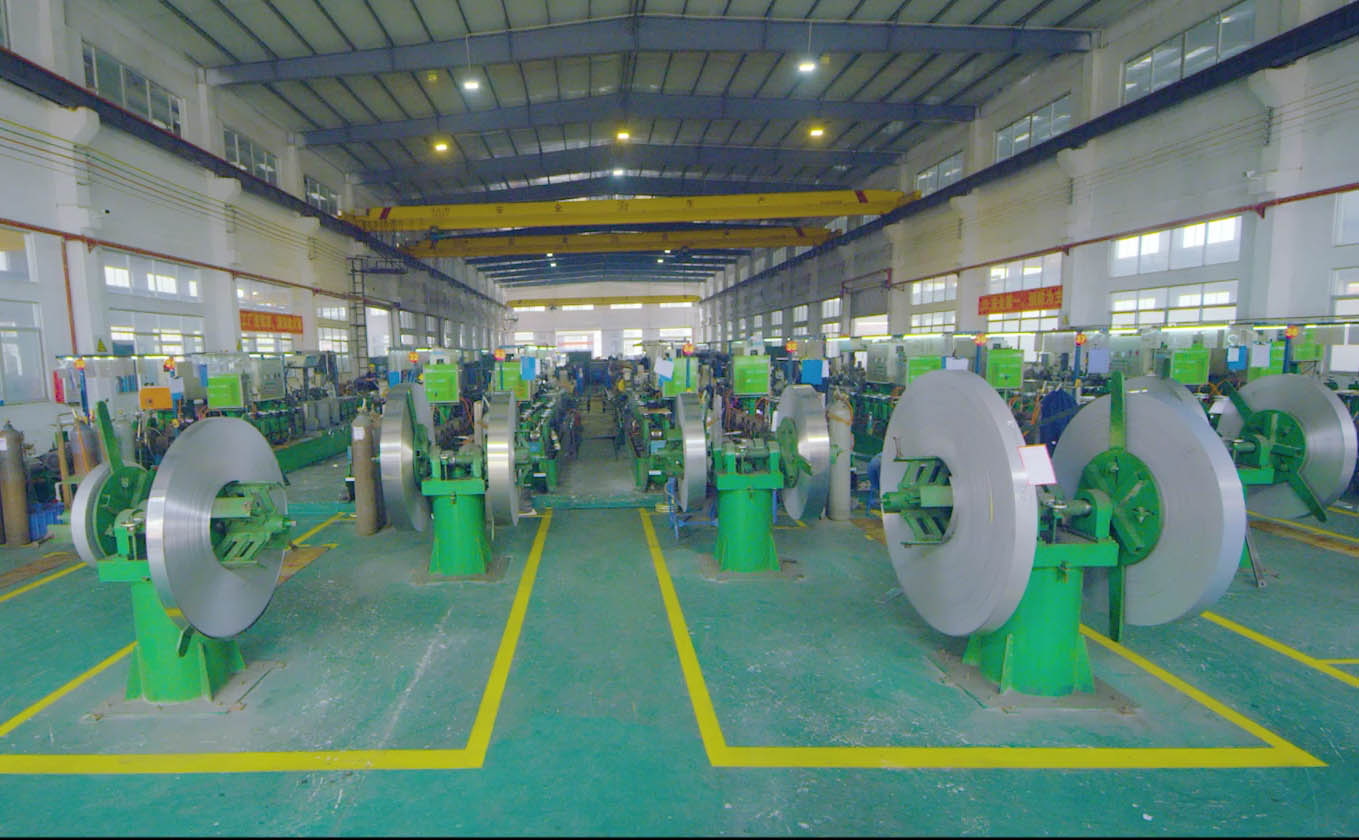
The production of stainless steel pipes and tubes involves a meticulous process to guarantee ideal performance and durability, beginning with the selection of raw materials and precise manufacturing techniques.
Quality control at each stage—from creating the raw ingot to final processing—affects the structural integrity and resistance to environmental factors.
Understanding key manufacturing methods, such as rotary piercing and cold pilgering, is essential for achieving the desired properties and dimensions in stainless steel tubing.
A thorough understanding of stainless steel tube manufacturing involves examining a series of precise and controlled processes that secure ideal strength, corrosion resistance, and dimensional accuracy. Stainless steel pipes and tubes are vital in diverse industries, including construction and chemical processing.
Pipe specifications focus on fluid transport systems, characterized by nominal pipe size (NPS) and wall thickness schedules. Tube applications require precision in outside diameter and wall thickness, suitable for structural and mechanical uses.
| Process | Pipe Specifications | Tube Applications |
| Material Forming | Seamless or Welded | Seamless or Welded |
| Surface Finish | Pickling, Polishing | Passivation |
| Quality Control | Dimensional Accuracy, Strength | Weld Integrity, Surface Quality |
These processes guarantee reliability in demanding environments.
Understanding the critical role of manufacturing quality in stainless steel tube production reveals its direct impact on performance and durability. Quality assurance processes verify that the chromium content and alloy composition meet industry standards, directly influencing oxidation resistance and longevity.
Performance metrics, such as tensile strength and dimensional accuracy, are pivotal in evaluating the tube's ability to withstand mechanical stresses in diverse applications. Manufacturing precision, from the initial ingot creation to final processing, determines the material's structural integrity and performance consistency.
High-quality production minimizes defects, reduces maintenance needs, and prolongs service life. By adhering to stringent quality control measures, manufacturers can guarantee that stainless steel tubes perform reliably, meeting the exacting demands of various industrial applications.
Stainless steel tube manufacturing encompasses several essential stages that guarantee peak performance and longevity.
Initially, raw material selection is critical, involving the precise melting of iron ore, chromium, and nickel in an electric arc furnace to achieve desired alloy grades like 304 or 316. The molten metal is then refined and cast into semi-finished billets or slabs.
Forming techniques diverge into seamless and welded processes: seamless involves heating and extruding billets, while welded uses rolled strips joined via methods like TIG or laser welding.
Cold drawing refines dimensions, followed by annealing to enhance ductility and corrosion resistance.
Subsequent pickling and finishing ascertain surface quality, while rigorous quality control, including hydrostatic and eddy current testing, assures compliance with stringent standards.
Those stages begin with how the raw material is shaped into a tube, which is why understanding stainless steel tube forming and production methods is central to the rest of the manufacturing process.
The forming stage is one of the most critical phases in stainless steel tube manufacturing. During this process, raw stainless steel material is transformed into the cylindrical tube shape required for industrial, structural, or hygienic applications. The production method used affects the tube’s dimensional accuracy, mechanical properties, and overall performance. Manufacturers typically rely on a combination of forming, welding, and sizing techniques to produce consistent, high-quality stainless steel tubes.
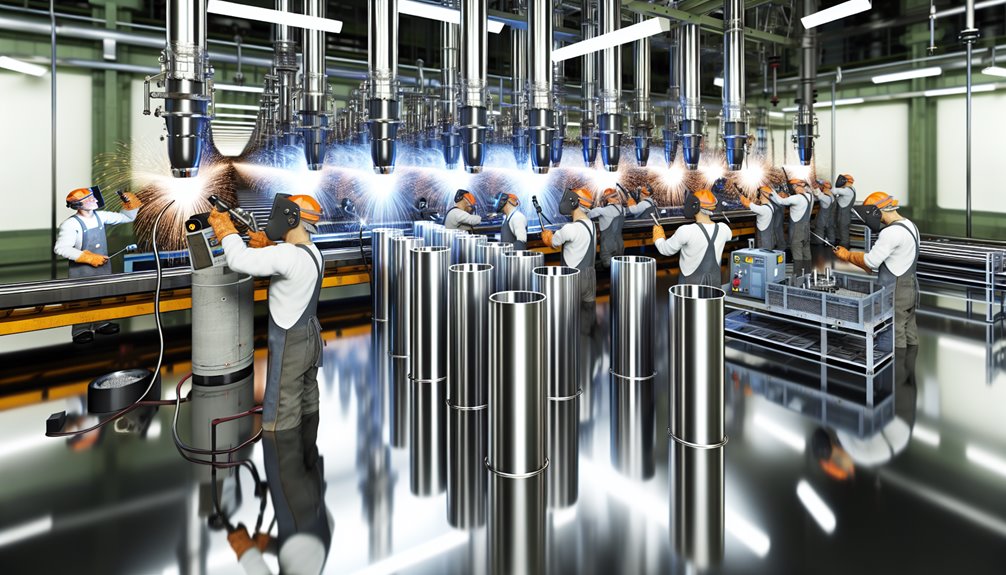
Roll forming is a widely used technique in the production of welded stainless steel tubes. In this process, flat stainless steel strip—usually supplied in coils—is gradually shaped into a tubular form by passing through a series of forming rollers. Each set of rollers progressively bends the strip until the edges meet, creating a continuous cylindrical shape.
This gradual forming method allows manufacturers to control the tube’s diameter and wall thickness with high precision while maintaining consistent production speeds. Roll forming is especially suitable for large-scale manufacturing because it supports continuous production lines and efficient material usage. Once the strip has been fully formed into a tube shape, the open seam is ready for the welding stage, where the edges are permanently joined.
After the stainless steel strip has been formed into a tubular shape, the longitudinal seam must be welded to create a fully enclosed tube. Depending on the manufacturing setup and product requirements, different welding technologies may be used, including high-frequency (HF) welding or TIG welding.
During this stage, the edges of the formed strip are heated and fused together under controlled conditions to produce a strong, continuous weld seam. Precise alignment and consistent heat input are essential to prevent defects such as incomplete fusion, distortion, or weld porosity. Following the welding operation, the tube typically passes through additional shaping and sizing rollers that refine its outer diameter and improve roundness.
This shaping stage ensures the finished tube meets strict dimensional tolerances and maintains a uniform structure along its entire length. Proper seam welding and shaping are critical for producing stainless steel tubes that perform reliably in demanding industrial environments.
For applications that require tighter dimensional tolerances or smoother surface finishes, stainless steel tubes may undergo cold drawing after the initial forming and welding processes. Cold drawing involves pulling the tube through a precision die to reduce its diameter and improve dimensional accuracy.
This process enhances the tube’s surface quality and mechanical strength by refining the grain structure of the stainless steel. Cold drawing also allows manufacturers to achieve more precise wall thickness control and improved concentricity, which are essential for industries such as medical equipment, food processing, and high-precision engineering.
After cold drawing, tubes often undergo straightening and calibration to ensure they meet required dimensional specifications. These final adjustments help guarantee that the tubes maintain consistent geometry and are suitable for further fabrication or installation.
Through a combination of roll forming, seam welding, and precision sizing techniques, manufacturers are able to produce stainless steel tubes that meet the strict quality and performance requirements of modern industrial applications.
These forming and sizing steps depend heavily on specialized production lines, from roll stations to welders and finishing systems, all of which are covered in equipment used in stainless steel tube manufacturing.
Modern stainless steel tube manufacturing relies on a range of specialized equipment designed to ensure efficiency, precision, and consistent product quality. Each stage of production—from forming and welding to finishing and inspection—requires dedicated machinery that can handle the mechanical properties of stainless steel while maintaining strict dimensional and surface standards. Advanced manufacturing lines integrate multiple machines into a continuous production process, allowing manufacturers to produce stainless steel tubes at high speeds while maintaining reliable quality control.
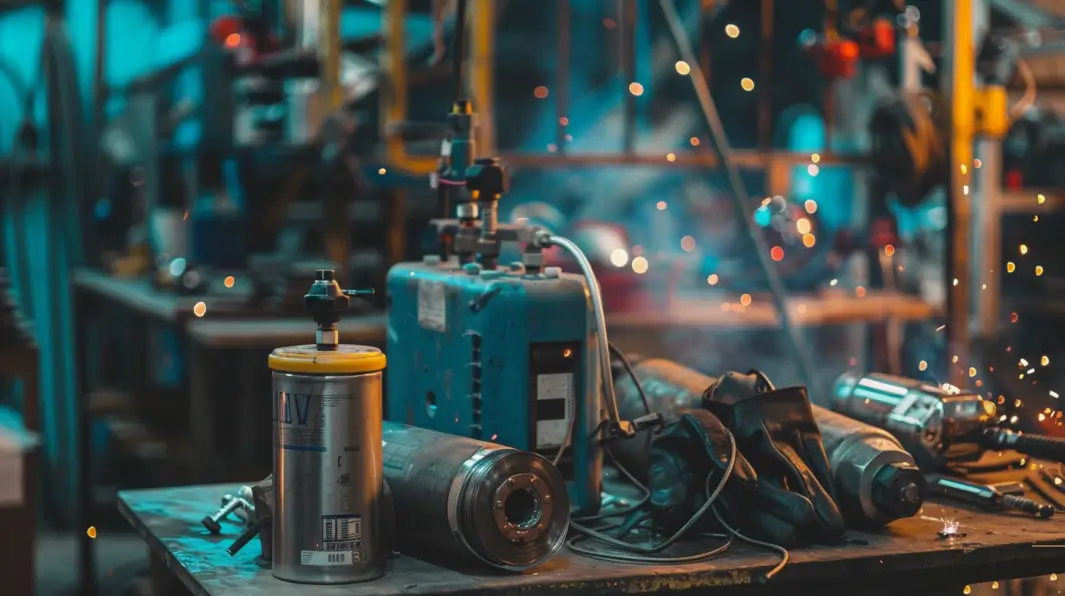
Tube forming mills are the core machines used to convert flat stainless steel strip into tubular shapes. In a typical production line, stainless steel coils are first uncoiled and fed into a series of forming rollers that gradually bend the material into a cylindrical profile. These forming stations are carefully calibrated to control the tube’s diameter and ensure the edges align precisely before welding.
Modern forming mills are designed for high-speed continuous production and can handle a wide range of tube sizes and wall thicknesses. Advanced systems often include automated controls that monitor alignment, tension, and dimensional accuracy throughout the forming process. This automation helps reduce production errors and ensures the consistent geometry required for high-quality stainless steel tubes.
Once the tube has been formed, welding equipment is used to permanently join the seam where the edges of the stainless steel strip meet. Depending on the production method, manufacturers may use high-frequency (HF) welding machines or TIG welding systems to achieve a strong and reliable weld seam.
High-frequency welding equipment is commonly used in large-scale tube manufacturing because it allows rapid seam welding with minimal heat distortion. TIG welding, on the other hand, provides precise control over the welding process and is often used when higher weld quality or sanitary-grade tubing is required. Many modern tube mills incorporate automated welding systems that regulate heat input, welding speed, and shielding gas flow to ensure consistent weld quality across long production runs.
Automation also improves productivity by reducing manual adjustments and allowing real-time monitoring of weld performance. This helps manufacturers maintain stable production while minimizing defects.
After forming and welding, stainless steel tubes often undergo surface finishing processes to achieve the desired appearance and functional properties. Polishing and finishing machines are used to refine the tube surface, remove imperfections, and produce specific finishes such as satin, brushed, or mirror-polished surfaces.
These machines typically use abrasive belts, polishing wheels, or specialized polishing compounds to smooth the surface of the tube. Multiple polishing stages may be required to achieve high-quality finishes, especially for decorative or sanitary applications. Automated finishing lines help ensure uniform surface treatment along the entire length of the tube, improving both appearance and corrosion resistance.
In many manufacturing facilities, polishing equipment is integrated into the production line to streamline the finishing process. This allows stainless steel tubes to move efficiently from forming and welding stages to surface finishing, ensuring a consistent and high-quality final product.
Among all production equipment, welding systems are especially important because they determine seam strength, speed, and downstream quality, making stainless steel welding methods used in tube manufacturing the next key topic.
Once the tube has been formed and aligned, the next critical decision is how the seam will be welded. The welding method chosen affects production speed, weld quality, heat distortion, and suitability for different stainless steel tube applications.
In stainless steel tube manufacturing, welding methods such as TIG (Tungsten Inert Gas) and HF (High-Frequency) welding are critical for ensuring precision and structural integrity.
TIG welding is preferred for applications requiring meticulous control over heat input and is commonly used for thinner materials and high-quality joints, whereas HF welding is suited for high-speed production of long, continuous pipes.
Meanwhile, MIG (Metal Inert Gas) welding is utilized in scenarios where speed and ease of automation are prioritized, highlighting the importance of selecting the appropriate welding process based on specific manufacturing needs and material characteristics.
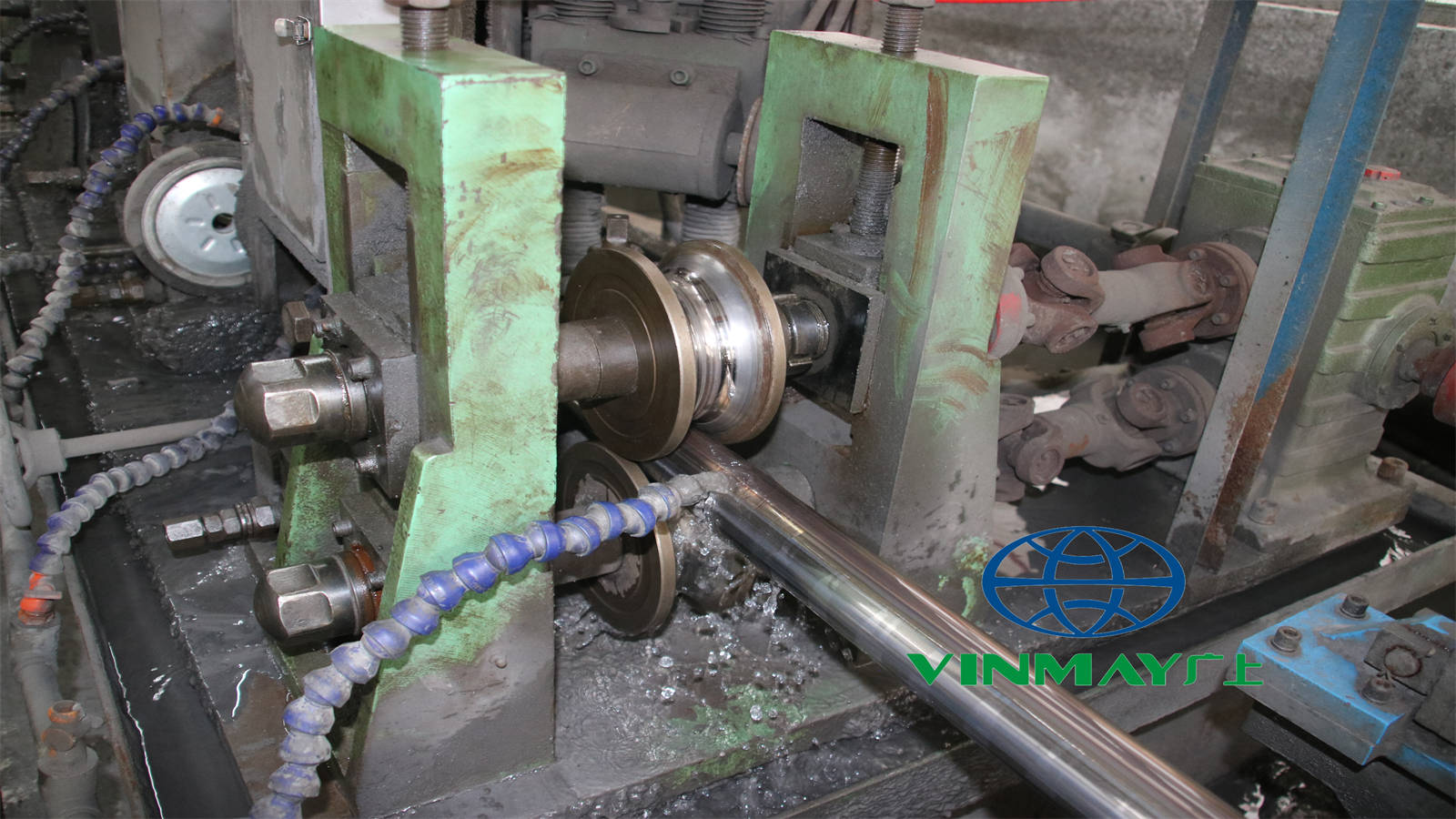
Welding processes play an essential role in the manufacturing of stainless steel tubing, each method offering distinct advantages tailored to specific applications.
TIG welding techniques are favored for precision and control, especially with thin-walled stainless steel alloys.
MIG welding advantages include high-speed fabrication and efficiency for thicker materials.
Welding safety practices and equipment selection are critical for successful operations, particularly when considering heat treatment effects and joint design considerations.
Post weld inspections verify integrity, and automation in welding enhances consistency, especially in industrial settings.
Environmental factors in welding, such as ventilation and shielding gas composition, further influence outcomes.
Building upon the foundation of welding processes, understanding the distinctions between TIG welding and HF welding is essential in stainless steel pipe production.
TIG welding offers advantages in precision and control, making it suitable for tasks requiring high weld quality and corrosion resistance. Its ability to produce clean, precise welds is critical in applications demanding stringent hygienic or structural standards.
Conversely, HF welding excels in efficiency for high-speed pipe manufacturing. This method rapidly converts stainless steel strip into welded pipes, making it ideal for large-scale operations.
Choosing between these methods hinges on production scale and application demands, with TIG providing superior control and HF maximizing productivity. Each technique addresses specific requirements, ensuring stainless steel pipes meet desired quality and production criteria.
MIG welding, also known as Gas Metal Arc Welding (GMAW), plays a significant role in stainless steel fabrication, particularly in tube manufacturing. This process leverages a continuously fed wire electrode, offering considerable MIG welding advantages such as speed and efficiency.
It is ideal for high-volume production and thicker components, where productivity is key. However, stainless steel considerations are essential, as factors like heat input and shielding gas must be meticulously controlled to prevent weld defects.
Understanding these elements guarantees peak performance in stainless steel applications.
For applications where weld cleanliness and precision matter more than sheer throughput, manufacturers often turn to TIG welding stainless steel pipes and tubing.
After reviewing the main welding options used in tube production, it is useful to look more closely at TIG welding. This process is especially important where weld precision, internal cleanliness, and corrosion resistance must be tightly controlled.
TIG welding of stainless steel pipes involves precise control over the welding parameters to guarantee high-quality joints, particularly in applications requiring sanitary conditions.
Adhering to specific sanitary stainless steel welding requirements is essential to prevent contamination and maintain the integrity of the welds in environments like food processing and pharmaceuticals.
Welding Procedure Specifications (WPS) provide detailed guidelines for the process, including electrode selection, shielding gas type, and heat input, ensuring consistency and reliability in the welds produced.

Achieving precise and durable welds on stainless steel pipes demands meticulous attention to TIG welding techniques.
Welding safety is paramount; thorough surface cleaning eliminates contaminants that could compromise weld integrity. Proper alignment and joint preparation guarantee consistent penetration, crucial for structural strength.
Selecting the correct filler materials, compatible with the stainless steel grade, maintains the weld’s strength and corrosion resistance. Controlling heat input prevents warping and discoloration, preserving the material's aesthetic and functional properties.
These practices collectively yield welds that meet stringent industrial demands.
Sanitary stainless steel welding, an essential process in industries demanding stringent hygiene, guarantees that internal surfaces of pipes and tubing remain smooth and free from contaminants.
Sanitary welding techniques are vital in applications like food processing and pharmaceuticals, where contamination prevention is paramount.
TIG welding (Gas Tungsten Arc Welding) is preferred for its precision, allowing for controlled heat input and stable weld pools, ensuring minimal spatter and distortion. This method achieves smooth, uniform welds, important for maintaining hygienic standards.
A clean working environment is vital; any oil, grease, or foreign particles on stainless steel surfaces can compromise corrosion resistance and introduce defects.
Adhering to these practices guarantees that stainless steel systems meet the rigorous standards of high-purity environments.
Crafting a Welding Procedure Specification (WPS) for stainless steel pipes requires meticulous attention to detail to guarantee consistent, high-quality welds.
WPS documentation encompasses critical welding parameters, confirming that procedures meet compliance standards and maintain weld integrity.
TIG welding, in particular, demands precision in base and filler material selection to preserve corrosion resistance and mechanical properties.
Procedure validation through a Procedure Qualification Record (PQR) confirms quality assurance by testing weld strength and integrity.
Thus, a well-crafted WPS is indispensable for confirming excellence in stainless steel pipe fabrication.
Even when the correct welding method is selected, stainless steel welding remains sensitive to heat, shielding, and contamination. Understanding the most common defects helps manufacturers improve yield, reduce rework, and maintain long-term tube performance.
Welding stainless steel tubes presents challenges such as discoloration, distortion, porosity, and cracking, often linked to excessive heat and improper shielding gas.
Effective heat control and the use of appropriate shielding gases are essential to maintaining the integrity and appearance of the weld.

In stainless steel welding, a variety of defects can considerably impact the integrity and durability of the final product. Through precise welding techniques and thorough defect analysis, common issues such as cracking, porosity, lack of fusion, distortion, and discoloration can be effectively managed.
Understanding these defects is essential for maintaining the structural soundness of stainless steel components.
These strategies empower manufacturers to uphold quality and reliability in stainless steel welding processes.
Effective management of heat input and shielding gas selection is essential in overcoming common stainless steel welding challenges.
Stainless steel's sensitivity to heat necessitates precise control to prevent warping, distortion, and damage to the protective chromium oxide layer. Controlling heat input involves maintaining appropriate welding speed and voltage, employing techniques like pulsed MIG welding to modulate the current, thereby reducing excessive heat concentration.
Shielding gas choice is equally critical. Argon-based gas mixtures, often enhanced with small amounts of carbon dioxide or oxygen, protect the weld pool from oxidation, improving arc stability and penetration.
These gas mixtures prevent defects such as porosity and excessive oxidation, ensuring the integrity and corrosion resistance of the weld. Mastery of these elements is pivotal for successful stainless steel welding.
Achieving reliable stainless steel welds demands meticulous preparation and technique.
Welding techniques must emphasize contamination prevention through rigorous surface cleaning to eliminate oil, grease, and oxidation. This guarantees peak weld quality and corrosion resistance.
Proper joint alignment is vital for consistent weld penetration, adhering to fabrication standards.
Careful control of heat input avoids excessive distortion and maintains structural integrity.
Post weld treatments such as pickling and passivation restore the stainless steel’s surface, enhancing its corrosion resistance.
Once sound welds have been achieved, tubes often move into downstream operations such as cutting, bending, and shaping, covered in stainless steel tube fabrication processes.
Welding does not mark the end of the manufacturing journey. In many cases, stainless steel tubes must then be cut, bent, shaped, or further processed to meet final product or system requirements.
Precision in these processes guarantees that the structural and surface integrity of the tubing is maintained, preventing contamination and preserving corrosion resistance.
Attention to these fabrication techniques and surface treatment is crucial for producing high-performance tubing suitable for diverse applications.

In the domain of stainless steel tube fabrication, precision cutting initiates the process by segmenting tubing into specified lengths using advanced tools like laser cutting machines and precision saws. This guarantees accurate tube dimensions, essential for seamless integration into assemblies.
Tube bending follows, employing specialized bending techniques to shape tubes into curves or complex forms while preserving structural integrity. The use of state-of-the-art equipment prevents deformation and maintains desired radii.
These processes are pivotal in maintaining the integrity and functionality of stainless steel tubing, meeting stringent industry standards.
Precision in stainless steel tube fabrication for industrial and sanitary systems demands a meticulous approach to secure performance excellence. Utilizing precision tooling, manufacturers craft tubing that meets stringent structural and hygienic requirements.
Fabrication innovations enhance capabilities, allowing for the creation of complex configurations essential in sectors like construction, food processing, and pharmaceuticals.
Stainless steel tubing's adaptability stems from its ability to withstand corrosive environments while offering design flexibility. In industrial applications, it forms the backbone of equipment frames and piping systems, securing durability under demanding conditions.
For sanitary systems, the focus on cleanliness and material integrity is paramount. Through precision techniques, engineers secure that tubing aligns with high standards, supporting both structural and functional needs across diverse industries.
Maintaining surface integrity during the fabrication of stainless steel tubing is crucial for guaranteeing both aesthetic appeal and functional performance.
Surface defect prevention is critical as fabrication operations like cutting and welding can introduce imperfections, heat tint, or contamination.
Mechanical finishing techniques such as grinding, brushing, or polishing are employed to achieve desired finishes, enhancing fabrication quality assurance.
Chemical treatments like pickling and passivation are also essential, removing oxide layers and contaminants to restore the protective chromium oxide film.
These processes are imperative in delivering a flawless final product.
Preserving the surface during fabrication is only part of the story, since many products also require defined visual or functional finishes, as explained in surface finishes used in stainless steel tubes.
After fabrication, surface finishing becomes a major factor in both function and appearance. The selected finish can influence corrosion resistance, cleanability, visual appeal, and suitability for decorative or hygienic applications.
The selection of surface finishes in stainless steel tubes, such as brushed, mirror polished, hairline, 2B, and No.4, plays a critical role in determining their performance and aesthetic appeal.
Each finish offers distinct properties; for instance, a mirror polish enhances reflectivity for decorative uses, while a hairline finish provides a linear texture suitable for architectural applications.
Understanding these differences allows for informed decisions in matching the tube's finish to its intended industrial or decorative purpose.
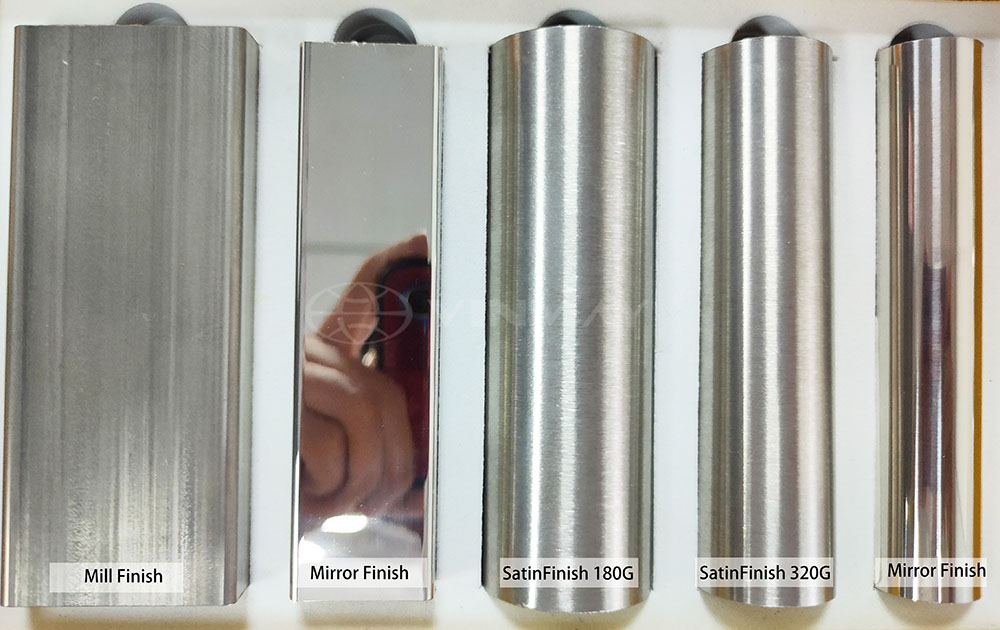
Surface finishes play a critical role in the functionality and aesthetics of stainless steel tubes. These finishes influence corrosion resistance, aesthetic appeal, maintenance considerations, and application suitability.
The 2B finish is a smooth, clean surface often utilized in industrial settings for its durability. The satin or No. 4 finish, characterized by fine lines, is favored in decorative environments due to its ability to hide minor imperfections.
Hairline finishes provide a subtle linear texture, enhancing visual depth. Mirror finishes offer high reflectivity, creating a striking visual impact. Finally, pickled finishes remove scale and contaminants, ensuring peak performance.
Exploring the nuances of stainless steel tube finishes reveals a distinct comparison between brushed and mirror-polished options.
Brushed stainless steel offers benefits such as a fine, uniform texture that enhances durability and aesthetic appeal while concealing fingerprints and scratches. Its matte finish diffuses light, reducing glare and supporting easier maintenance, making it ideal for architectural and industrial applications.
In contrast, mirror-polished stainless steel boasts advantages with its highly reflective surface, achieved through a meticulous polishing process. This finish enhances visual impact and cleanliness, as the smooth surface minimizes contaminant accumulation.
It is favored in luxury designs and environments where hygiene is paramount. Both finishes maintain the inherent corrosion resistance and strength of stainless steel, catering to diverse application needs.
For architects and engineers seeking an extensive understanding of stainless steel tube finishes, this guide offers detailed insights into the hairline and mirror finishes.
The hairline finish, achieved through mechanical abrasion, imparts a satin-like appearance with fine parallel lines, effectively concealing minor surface imperfections. This finish is ideal for applications prioritizing durability and subtle aesthetics, such as architectural elements and railings.
Conversely, the mirror finish, created through a multi-stage polishing process, delivers a highly reflective surface akin to polished glass. While it enhances elegance and ease of cleaning, it requires careful handling due to its susceptibility to fingerprints and scratches.
Best For: Architects and designers who need a durable and aesthetically versatile finish for stainless steel applications, such as railings and architectural elements.
Pros:
Cons:
Stainless steel tube finishes, such as the 2B finish and No. 4 finish, are pivotal in defining the aesthetic and functional attributes of metal components.
The 2B finish is recognized for its smooth, moderately reflective properties achieved through cold rolling, making it ideal for industrial uses where production efficiency is paramount.
In contrast, the No. 4 finish offers aesthetic advantages with its brushed texture, providing fingerprint resistance and suitability for architectural design.
Understanding the maintenance differences and surface finish applications allows for precise selection based on specific needs.
Choosing between visible finishes is important, but manufacturers also need to consider the underlying micro-texture of the material, which is why stainless steel surface roughness and its industrial importance deserves separate attention.
Surface finish and surface roughness are closely related, but they are not the same. While finish describes the visible treatment of the metal, roughness refers to the measurable microscopic texture that directly affects performance in service.
Adhering to roughness standards is critical for both hygienic and industrial contexts, as it influences factors such as corrosion resistance and cleanability. The smoother the surface, the lower the potential for contamination and corrosion, making precise roughness measurements essential for ensuring quality and compliance.
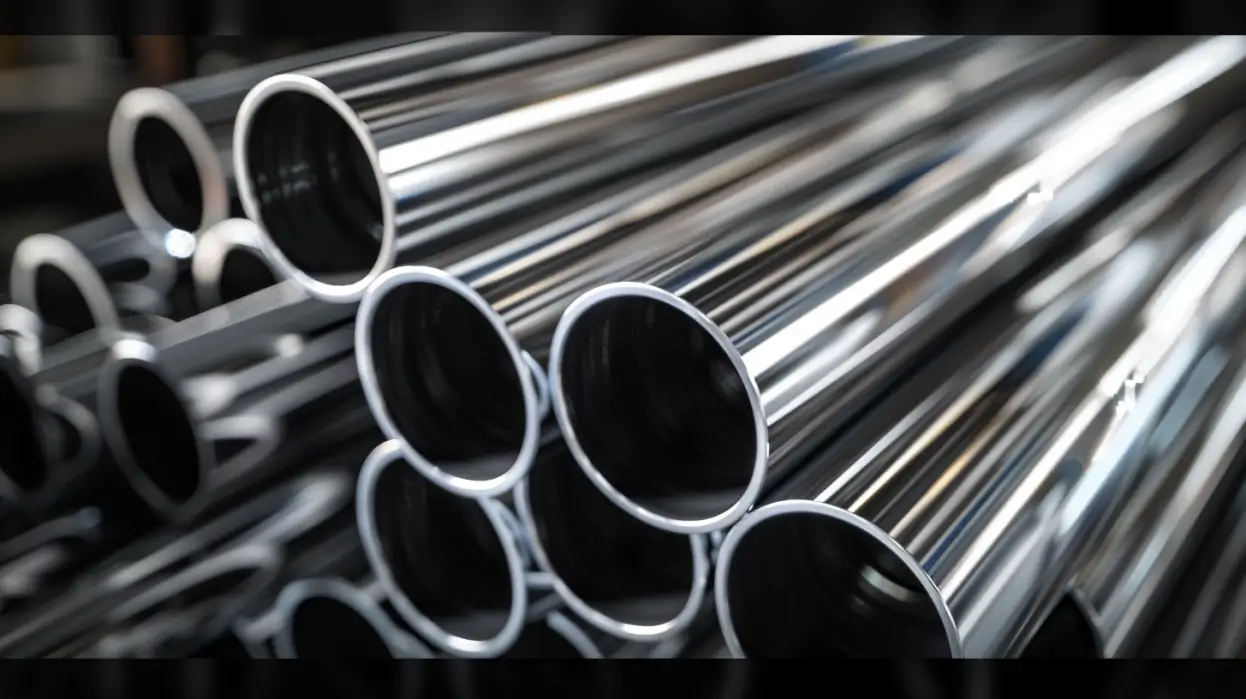
Understanding the nuances of surface roughness is crucial in the domain of stainless steel tubing, impacting performance, durability, and sanitation across various industries.
Surface roughness refers to the microscopic peaks and valleys created by manufacturing processes, influencing how stainless steel behaves in industrial applications. Measurement techniques, such as profilometers, quantify roughness using parameters like Ra, critical for guaranteeing compliance with industry standards.
Surface treatment, including polishing and brushing, is meticulously controlled to achieve desired roughness levels, essential for hygiene, corrosion resistance, and fluid flow efficiency.
Manufacturing processes that determine surface roughness are pivotal in shaping the performance of stainless steel tubing across diverse applications.
In hygienic sectors like food processing and biotechnology, stringent hygienic requirements demand surface finishes with roughness values as low as Ra 0.5 μm. Such precision guarantees contamination prevention by minimizing bacterial entrapment. These finishes are achieved through advanced polishing techniques, including mechanical and electropolishing, tailored to meet specific industrial standards.
Conversely, industrial applications may permit rougher surfaces, prioritizing durability over extreme smoothness. Roughness measurement is critical to compliance with international standards such as ASME and ISO.
In numerous industrial applications, the degree of surface roughness in stainless steel tubing critically impacts both corrosion resistance and cleanability. Surface roughness influences corrosion mechanisms by affecting the integrity of the protective chromium oxide layer. Disruptions in this layer can increase susceptibility to localized corrosion.
Adhering to cleanability standards is crucial, especially in sanitary environments such as food and pharmaceutical production. Rough surfaces harbor bacteria and residues, complicating cleaning processes and compromising safety.
This underscores the industrial importance of controlled surface finishes.
Because roughness is directly influenced by how the surface is refined, the next step is to examine polishing and surface treatment processes in more detail.
To achieve the required roughness and finish quality, manufacturers rely on a range of polishing and treatment methods. These processes refine the tube surface further and prepare it for either decorative use or high-performance industrial service.
Polishing of stainless steel pipes involves precise mechanical abrasion to eliminate surface imperfections, thereby enhancing both visual and functional attributes.
The choice between mechanical and chemical polishing methods depends on specific application requirements, with mechanical polishing often using progressively finer abrasives for detailed refinement.
Achieving finishes such as mirror or satin involves carefully controlled processes to meet industry standards for aesthetics and hygiene.
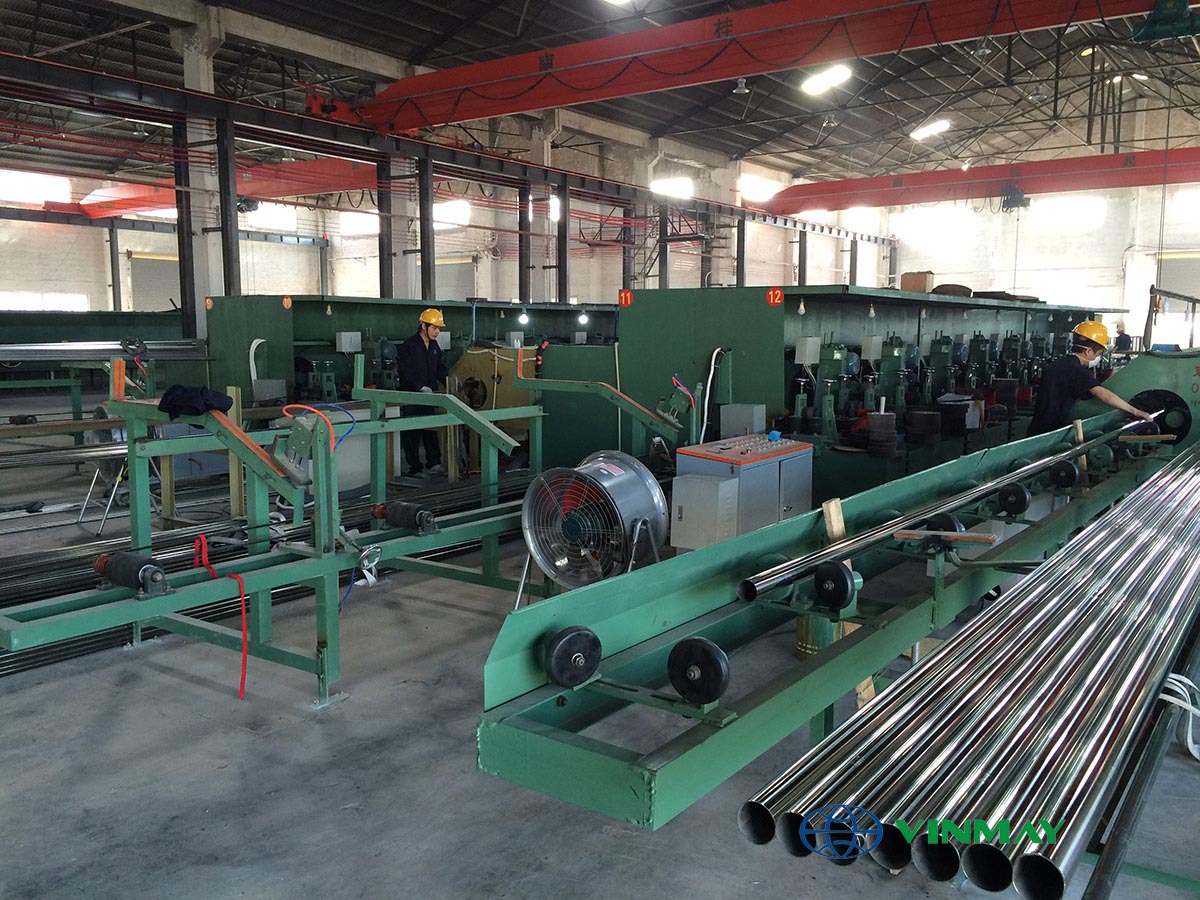
Achieving a high-quality polished finish on stainless steel pipes is a meticulous process that begins with thorough surface preparation. Initially, the pipe's surface is cleaned to remove contaminants like grease and dirt, which could impede the polishing techniques.
Surface defects are addressed through grinding or coarse sanding, preparing it for subsequent stages. Selecting the appropriate abrasive materials, such as polishing wheels and sanding belts, is critical to regulate the process.
The progression from coarse to fine abrasives guarantees a uniform finish. Subsequent stages involve refining the surface with finer abrasives and buffing for enhanced reflectivity.
Consistent pressure and direction are essential for uniformity, especially in creating brushed finishes.
Selecting the ideal polishing method for stainless steel tubes hinges on understanding the distinct advantages of mechanical and chemical techniques.
Mechanical polishing, characterized by its mechanical nuances, involves abrasive tools to physically smooth surfaces, providing precise control over the tube’s appearance. This method is favored for applications demanding aesthetic quality, offering finishes from brushed to mirror-like.
In contrast, chemical polishing utilizes chemical advantages to dissolve surface imperfections without abrasion. Electropolishing, a prominent chemical process, enhances microscopic smoothness and corrosion resistance, essential in industries like biotechnology and pharmaceuticals.
The choice between these methods depends on specific requirements such as desired finish, application precision, and performance needs. Often, both techniques are combined to achieve superior surface quality and functionality in stainless steel tubes.
Understanding the nuances of polishing methods sets the stage for exploring how mirror and satin finishes enhance stainless steel tubes.
Mirror finishes, achieved through multi-stage polishing with finer abrasives and buffing compounds, offer mirror durability and reflectivity. This meticulous process removes surface imperfections, producing a striking No. 8 mirror finish ideal for high-impact architectural features.
In contrast, satin finishes employ fine abrasive belts to produce satin aesthetics—a low-glare, uniform texture. This finish balances refined appearance with practicality, resisting fingerprints and minor scratches.
Both finishes demand precision in abrasive selection, direction, and pressure control. Final treatments such as cleaning or passivation guarantee peak surface quality.
Selecting the right finish allows manufacturers to align aesthetic and functional goals effectively.
Mechanical polishing improves appearance and smoothness, but chemical cleaning is often still needed after welding or heat exposure, which leads naturally to pickling and surface passivation of stainless steel.
Mechanical finishing alone is not always enough to restore or optimize stainless steel surfaces after forming and welding. In many production environments, chemical treatments are also required to remove oxides, reduce contamination, and strengthen corrosion resistance.
Pickling effectively removes scale, oxides, and contaminants from stainless steel surfaces, enhancing corrosion resistance.
While both pickling and passivation serve to protect the metal, pickling involves a chemical treatment that cleans the surface, whereas passivation forms a protective oxide layer.
Pickle finish tubes are particularly useful in industries requiring high corrosion resistance and cleanliness, such as food processing and pharmaceuticals.
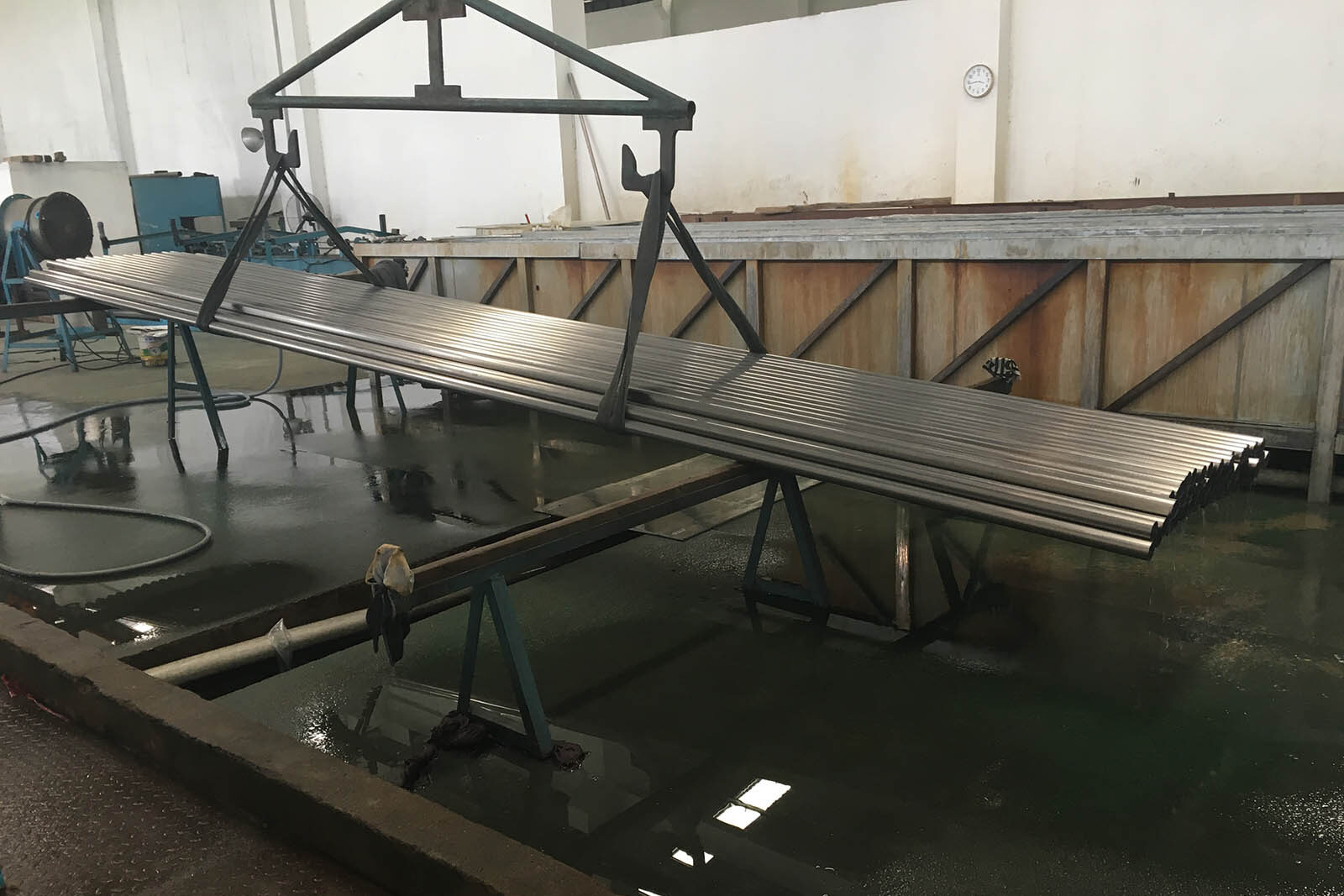
The process of pickling effectively transforms stainless steel surfaces by chemically removing heavy oxide layers, welding scale, and heat tint that develop during high-temperature exposure.
Employing strong acid solutions, such as nitric and hydrofluoric acids, pickling reveals the clean metal beneath, ensuring ideal surface integrity. The benefits of pickling are evident in its ability to achieve a level of cleanliness that mechanical methods cannot. Acid selection is critical, as it determines the efficiency and safety of the process.
Although often grouped together, pickling and passivation serve distinct roles in the treatment of stainless steel surfaces.
Pickling techniques primarily remove heavy surface contaminants like oxide scale and welding discoloration using acid mixtures, typically nitric and hydrofluoric acids. This process is critical post-welding or heat treatment, where thick oxide layers may compromise the stainless steel's protective chromium oxide film.
Conversely, passivation methods focus on enhancing corrosion resistance by eliminating free iron and micro-contaminants. This milder chemical treatment, often employing nitric or citric acid, allows the chromium in the alloy to form a stable, protective oxide layer.
Sequential application of these processes is common, with pickling first to cleanse, followed by passivation to fortify corrosion resistance, ensuring peak performance in industrial settings.
In numerous industrial settings, pickle finish stainless steel tubes are indispensable due to their enhanced surface cleanliness and superior corrosion resistance. These tubes find critical applications in environments where industrial corrosion resistance is paramount.
Pickled tubing applications are prevalent in chemical and petrochemical processing, where they efficiently transport corrosive fluids and chemicals. Additionally, power generation systems utilize these tubes in boilers and heat exchangers, ensuring material reliability under high pressure and temperature.
The oil and gas industry benefits from their resilience to harsh environmental conditions and chemical exposure. Moreover, pickled tubes serve as a foundational material for subsequent finishing processes, ensuring a clean surface for further treatments.
Surface chemistry is one part of post-processing, but manufacturers may also need metallurgical stabilization through heat treatment in stainless steel tube manufacturing.
Beyond welding and surface treatment, stainless steel tubes may also require metallurgical conditioning. Heat treatment helps stabilize the structure of the material after forming, welding, or cold working, especially where corrosion resistance and dimensional stability are critical.
During production, stainless steel undergoes significant mechanical deformation and localized heating, particularly during welding and cold working processes. Without proper heat treatment, these processes can alter the metal’s microstructure, potentially reducing corrosion resistance or causing structural instability.
Heat treatment processes help return the stainless steel to its optimal metallurgical condition.

Solution annealing is one of the most commonly used heat treatment methods in stainless steel tube manufacturing. In this process, tubes are heated to a high temperature—typically between 1,000°C and 1,100°C—where alloying elements such as chromium and nickel become fully dissolved in the austenitic structure of the stainless steel.
Once the desired temperature is reached, the tubes are rapidly cooled, usually through water quenching or controlled air cooling. This rapid cooling prevents the formation of chromium carbides, which can reduce corrosion resistance if allowed to precipitate along grain boundaries. By dissolving these carbides and stabilizing the alloy structure, solution annealing helps restore the stainless steel’s natural corrosion resistance and improves its overall durability.
Solution annealing is especially important for tubes used in chemical processing, food production, pharmaceutical systems, and other environments where corrosion resistance and material stability are essential.
During welding, stainless steel tubes are exposed to intense localized heat, which can create residual stresses within the material. These stresses may lead to distortion, reduced fatigue resistance, or increased susceptibility to cracking under certain conditions.
Stress relief heat treatment is used to reduce these internal stresses and stabilize the structure of the welded tube. The process typically involves heating the material to a controlled temperature below the solution annealing range and holding it there for a specified period before cooling gradually.
This controlled heating allows the metal structure to relax and redistribute internal stresses without significantly altering the tube’s microstructure. As a result, stress relief improves the long-term stability of welded stainless steel tubes and helps maintain dimensional accuracy.
In addition to improving mechanical properties, heat treatment also enhances the corrosion resistance of stainless steel. Proper heat treatment restores the uniform distribution of alloying elements within the steel, particularly chromium, which is responsible for forming the protective passive oxide layer on the surface.
When stainless steel is improperly heated or cooled, chromium carbides may form along grain boundaries, reducing the availability of chromium needed to maintain corrosion protection. This condition, known as sensitization, can lead to localized corrosion or intergranular attack in harsh environments.
By applying appropriate heat treatment processes such as solution annealing, manufacturers can prevent sensitization and maintain the stainless steel’s corrosion-resistant properties. This ensures that the finished tubes remain suitable for demanding industrial applications where long-term material performance is essential.
After metallurgical properties have been restored, manufacturers must still confirm that the tube remains within tolerance, which makes dimensional control in stainless steel tube production the next priority.
Alongside metallurgical quality, stainless steel tube manufacturing also depends on tight dimensional control. Consistent diameter, wall thickness, and straightness are essential for assembly, pressure performance, and compliance with customer specifications.
Maintaining precise dimensions is a fundamental requirement in stainless steel tube manufacturing. Dimensional control ensures that tubes meet specified standards for diameter, wall thickness, straightness, and overall geometry. Accurate dimensions are essential not only for proper installation and system compatibility but also for maintaining the mechanical strength and performance of the tube during service.
Throughout the production process, manufacturers rely on a combination of forming precision, calibration equipment, and inspection techniques to ensure consistent dimensional accuracy.
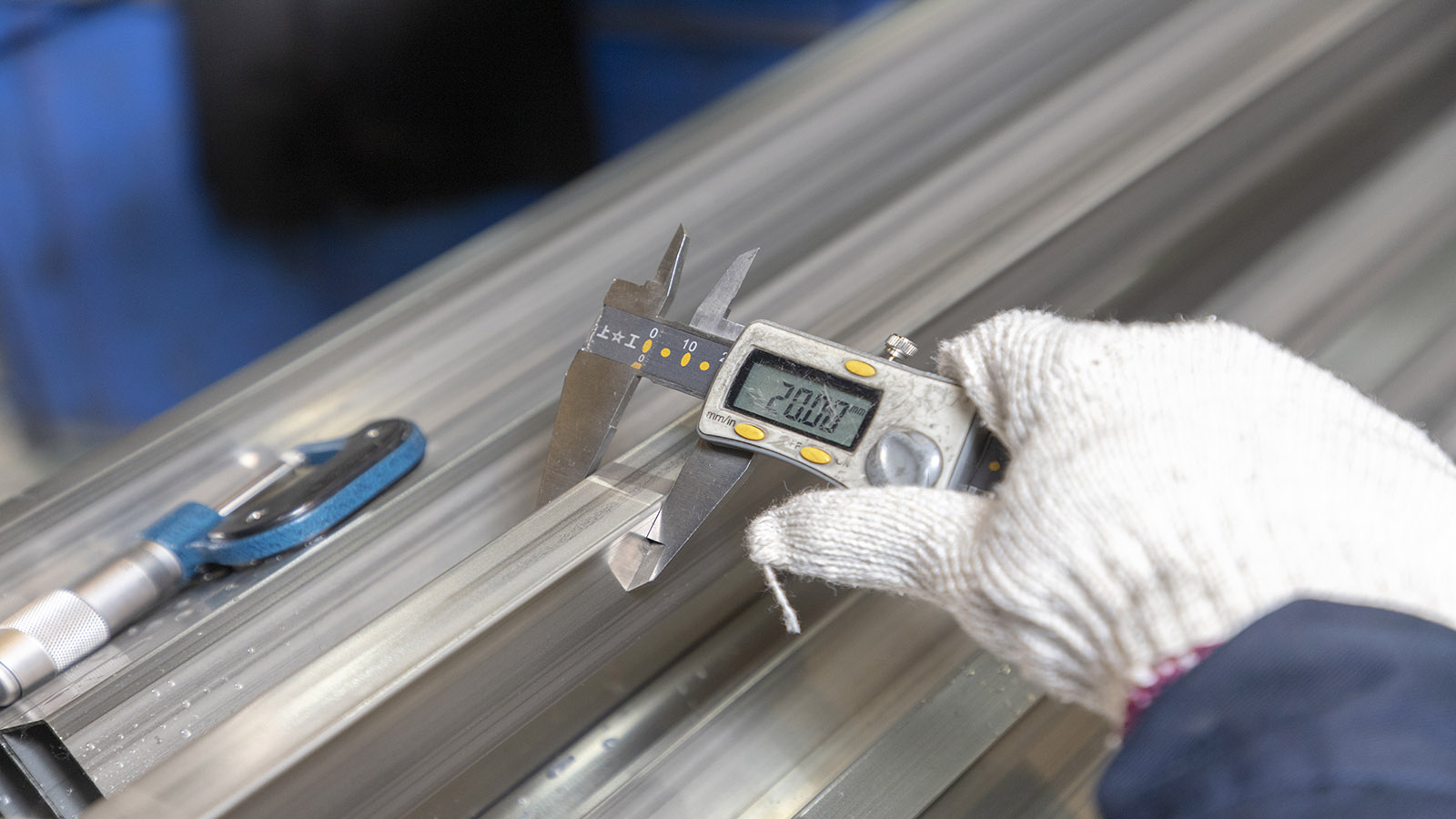
Controlling the outside diameter and wall thickness of stainless steel tubes is critical during both forming and sizing stages. In welded tube manufacturing, the diameter is primarily determined by the configuration of the forming rollers and the alignment of the welding seam. Any variation in roller setup or material tension can affect the final tube dimensions.
Wall thickness is influenced by the original thickness of the stainless steel strip as well as any additional forming or drawing processes applied during production. Advanced tube mills often include automated measurement systems that continuously monitor diameter and wall thickness during manufacturing. These systems allow operators to make real-time adjustments, ensuring that the tubes remain within the required dimensional tolerances.
Precise diameter and wall thickness control help ensure that stainless steel tubes can withstand internal pressure, mechanical stress, and environmental conditions while maintaining compatibility with fittings and piping systems.
After forming, welding, and possible cold drawing processes, stainless steel tubes may develop slight distortions or deviations from perfect straightness. Tube straightening machines are used to correct these irregularities by applying controlled pressure through multiple sets of rollers. This process gradually adjusts the tube’s alignment without damaging the material or affecting its structural integrity.
Calibration processes are also used to refine the tube’s final dimensions. Calibration rollers or sizing equipment help ensure that the outer diameter and roundness meet the specified requirements. Proper calibration is particularly important for tubes used in precision applications where tight tolerances and uniform geometry are required.
Straightening and calibration help produce tubes with consistent shape and alignment, which improves both performance and ease of installation.
Achieving high manufacturing precision requires careful monitoring at multiple stages of production. In addition to mechanical adjustments and calibration, manufacturers often use measuring instruments such as laser gauges, ultrasonic thickness testers, and digital inspection tools to verify tube dimensions.
These measurement systems allow quality control teams to detect deviations early and prevent out-of-specification products from reaching later stages of production. Maintaining strict dimensional control not only ensures compliance with industry standards but also improves overall production efficiency by reducing material waste and minimizing rework.
By combining precise forming equipment, calibration processes, and advanced inspection technologies, manufacturers can consistently produce stainless steel tubes that meet demanding dimensional specifications required by modern industrial systems.
Dimensional inspection confirms the final result, but process control focuses on stability during production itself. By monitoring critical variables in real time, manufacturers can prevent defects before they appear and improve overall consistency across production runs.
Unlike final inspection or testing, process control focuses on monitoring and regulating production conditions during manufacturing itself. By controlling critical parameters such as welding temperature, forming pressure, and surface finishing consistency, manufacturers can reduce defects, improve dimensional accuracy, and ensure that every tube meets the required standards.
Modern stainless steel tube production lines often integrate automated monitoring systems, sensors, and data-driven controls that track key variables in real time. These systems allow operators to identify variations early and make adjustments before defects occur, helping maintain stable production and minimize material waste.
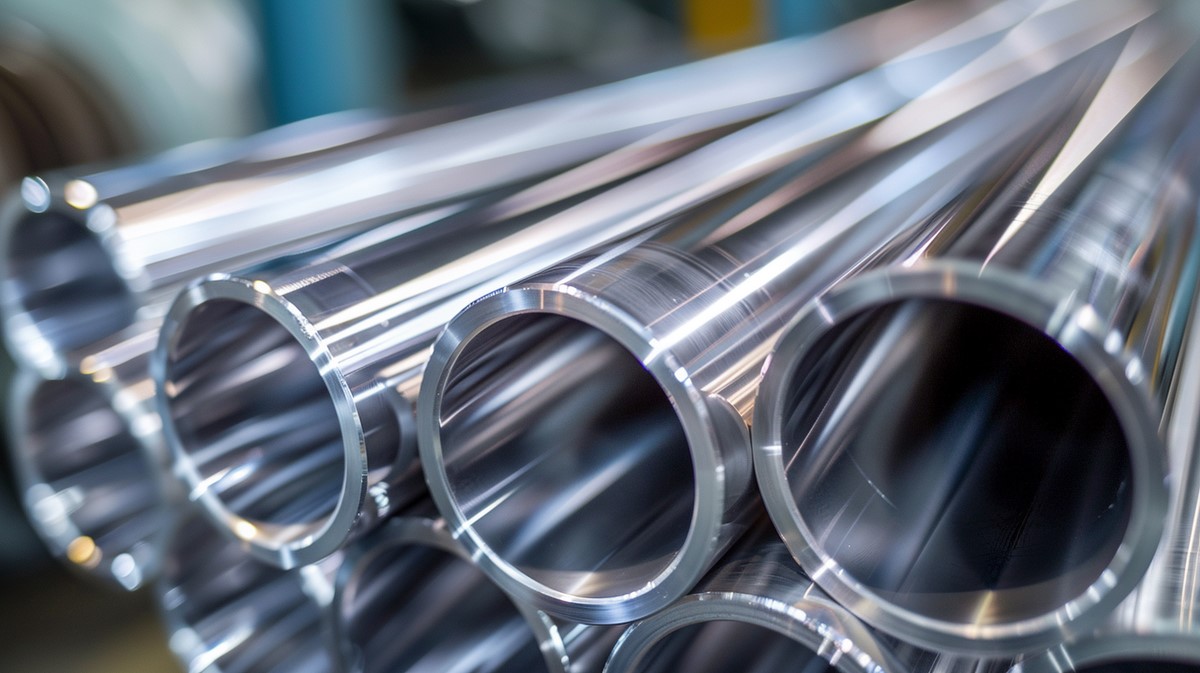
Welding is one of the most sensitive stages in stainless steel tube manufacturing, and careful control of welding parameters is necessary to ensure strong and reliable seams. Important variables include welding temperature, heat input, welding speed, and shielding gas flow. If these parameters are not properly controlled, defects such as incomplete fusion, excessive oxidation, or weld porosity may occur.
Automated welding systems help maintain consistent welding conditions throughout the production process. Sensors and monitoring equipment track welding performance in real time, allowing operators to detect fluctuations and adjust settings as needed. This level of control is particularly important in high-speed manufacturing environments where small variations can quickly affect large volumes of production.
Surface finish plays a key role in both the functional performance and appearance of stainless steel tubes. During polishing, brushing, or other finishing operations, manufacturers must carefully control abrasive pressure, polishing speed, and finishing sequence to achieve uniform results.
Automated polishing and finishing machines help maintain consistent surface treatment along the entire length of the tube. Operators also monitor surface roughness values and visual appearance to ensure that the final finish meets the required specifications. In industries such as food processing, pharmaceuticals, and architecture, maintaining consistent surface quality is especially important for hygiene, corrosion resistance, and aesthetic standards.
Achieving consistent production quality requires coordination between multiple stages of the manufacturing process. Process control systems monitor variables such as forming pressure, material tension, rolling alignment, and cooling rates to ensure stable operating conditions.
Manufacturers often use digital control systems that collect and analyze production data, enabling engineers to identify trends, detect anomalies, and optimize production parameters. By maintaining stable manufacturing conditions, these systems help ensure that stainless steel tubes are produced with consistent dimensions, reliable weld quality, and uniform surface finishes.
Effective process control ultimately improves manufacturing efficiency, reduces the risk of defects, and supports the production of high-quality stainless steel tubes that meet demanding industrial standards.
Once production conditions have been controlled, the finished tubes still need to be verified against technical requirements. This is where testing and inspection confirm whether the manufacturing process has delivered the expected level of performance and reliability.
Non-destructive testing techniques, such as ultrasonic and radiographic inspections, are vital for evaluating weld integrity without compromising the material.
These practices are fundamental in ensuring the reliability and performance of stainless steel products across various applications.

Guaranteeing the integrity of stainless steel tubes relies heavily on rigorous testing methods that confirm compliance with industry standards.
Mechanical testing is essential, evaluating structural properties to validate strength and durability under operational stress. Pressure testing, such as hydrostatic testing, verifies tubes withstand internal pressures without failure, vital for fluid transport systems.
These testing protocols are indispensable for delivering reliable stainless steel tubes across various demanding industrial applications.
Detecting weld integrity in stainless steel tubes hinges on non-destructive testing (NDT) techniques that guarantee high precision without compromising the material. These weld inspection methods are essential for identifying defects that could undermine structural integrity.
Ultrasonic testing stands out by employing high-frequency sound waves to reveal internal flaws such as cracks or inclusions, offering a reliable defect detection technique. Eddy current testing complements this by utilizing electromagnetic fields to uncover surface and near-surface irregularities, particularly effective for welded tubes.
Visual inspection and dye penetrant testing further enhance surface defect detection, ensuring compliance with quality standards. Collectively, these methods provide a thorough evaluation framework, enabling manufacturers to maintain stringent control over product quality and performance without damaging the stainless steel tubes.
Achieving ideal reliability and performance in stainless steel tubes demands meticulous quality testing and adherence to stringent manufacturing protocols.
Material verification guarantees precise chemical composition and mechanical properties, essential for applications enduring harsh environments.
Inspection techniques, such as non-destructive testing (NDT), play a critical role in identifying hidden flaws. Techniques like ultrasonic testing and eddy current inspection detect defects without compromising material integrity.
Rigorous testing, including tensile and hydrostatic pressure tests, confirms that tubes meet stringent specifications.
Because no single process is ideal for every product, manufacturers must evaluate welding method, finish, fabrication route, and inspection level together. The best manufacturing path depends on the tube’s application, quality target, and production volume.
Selecting the ideal manufacturing process for stainless steel tubes necessitates a thorough evaluation of welding methods to guarantee structural integrity and performance.
Surface finishes must be chosen based on specific application needs, considering factors such as corrosion resistance and aesthetic requirements.
Additionally, aligning fabrication techniques and testing standards with industry-specific regulations is essential to meet quality and safety benchmarks.
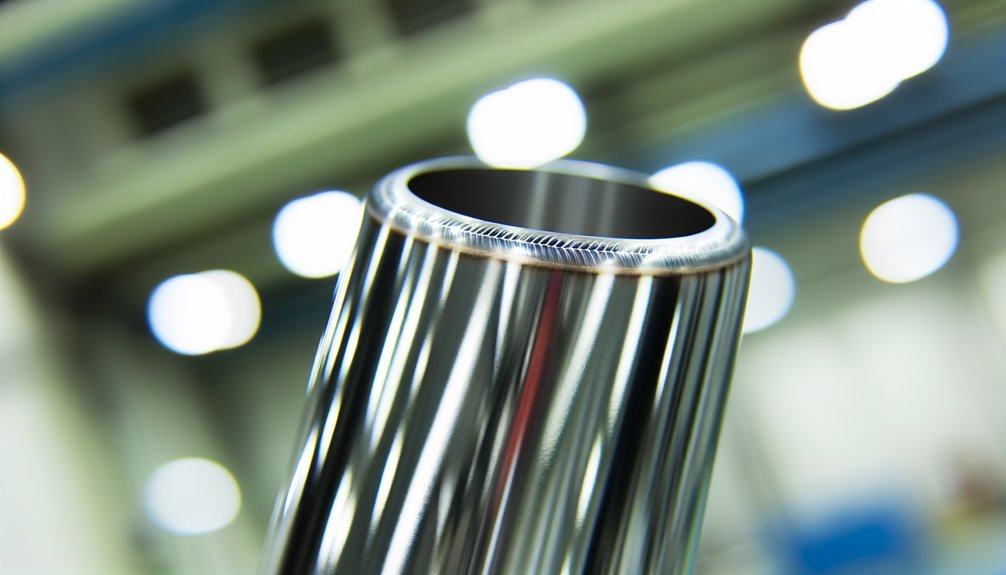
How does one determine the most suitable welding method for stainless steel tube manufacturing? The choice hinges on aligning welding techniques with material compatibility, guaranteeing the joint's strength and efficiency.
TIG welding, prized for precision and minimal spatter, excels in applications demanding aesthetic welds and smooth internal surfaces. MIG welding suits fast-paced environments, favoring thicker materials with its high-speed production capabilities. High-frequency welding offers consistent quality in large-scale pipe manufacturing.
Each method serves distinct needs:
Selecting the right process is pivotal for reliable performance.
Determining the ideal welding method sets the stage for another essential consideration in stainless steel tube manufacturing: the selection of surface finishes.
Surface finish selection is integral to meeting application-specific finishes, as it affects both performance and aesthetics. For industrial uses, 2B or pickled finishes offer cost-effective corrosion resistance. In architectural scenarios, brushed or satin finishes provide a refined appearance while concealing imperfections.
Mirror polished finishes are chosen for high-impact visual applications, despite higher maintenance needs. In hygienic environments, smooth finishes guarantee sanitation. Evaluating environmental factors and functional demands allows for precise finish selection.
| Application Type | Preferred Finish |
| Industrial | 2B, Pickled |
| Architectural | Brushed, Satin |
| Hygienic | Polished, Smooth |
When fabricating stainless steel tubes, aligning manufacturing processes with industry-specific standards is essential for guaranteeing performance and reliability.
Different sectors demand precise fabrication techniques and testing protocols to meet their unique requirements. For example, food processing and pharmaceuticals necessitate contamination control and smooth internal surfaces, while industrial systems prioritize corrosion resistance and structural integrity.
Quality assurance through rigorous testing protocols guarantees regulatory compliance and operational efficiency.
Key considerations include:
To see how these decisions fit together in practice, it helps to review the complete stainless steel tube manufacturing workflow from raw material to final inspection.
After examining each process individually, it helps to step back and view stainless steel tube manufacturing as one connected workflow. This end-to-end perspective shows how forming, welding, finishing, and inspection interact to produce a reliable finished tube.
Each stage in the workflow contributes to the tube’s structural integrity, dimensional accuracy, surface quality, and long-term reliability. By integrating forming, welding, finishing, and inspection processes into a controlled production line, manufacturers can produce stainless steel tubes efficiently while maintaining consistent product quality.
Understanding the complete manufacturing workflow helps explain how individual processes—such as forming, welding, and finishing—work together to produce tubes suitable for demanding applications across industries.
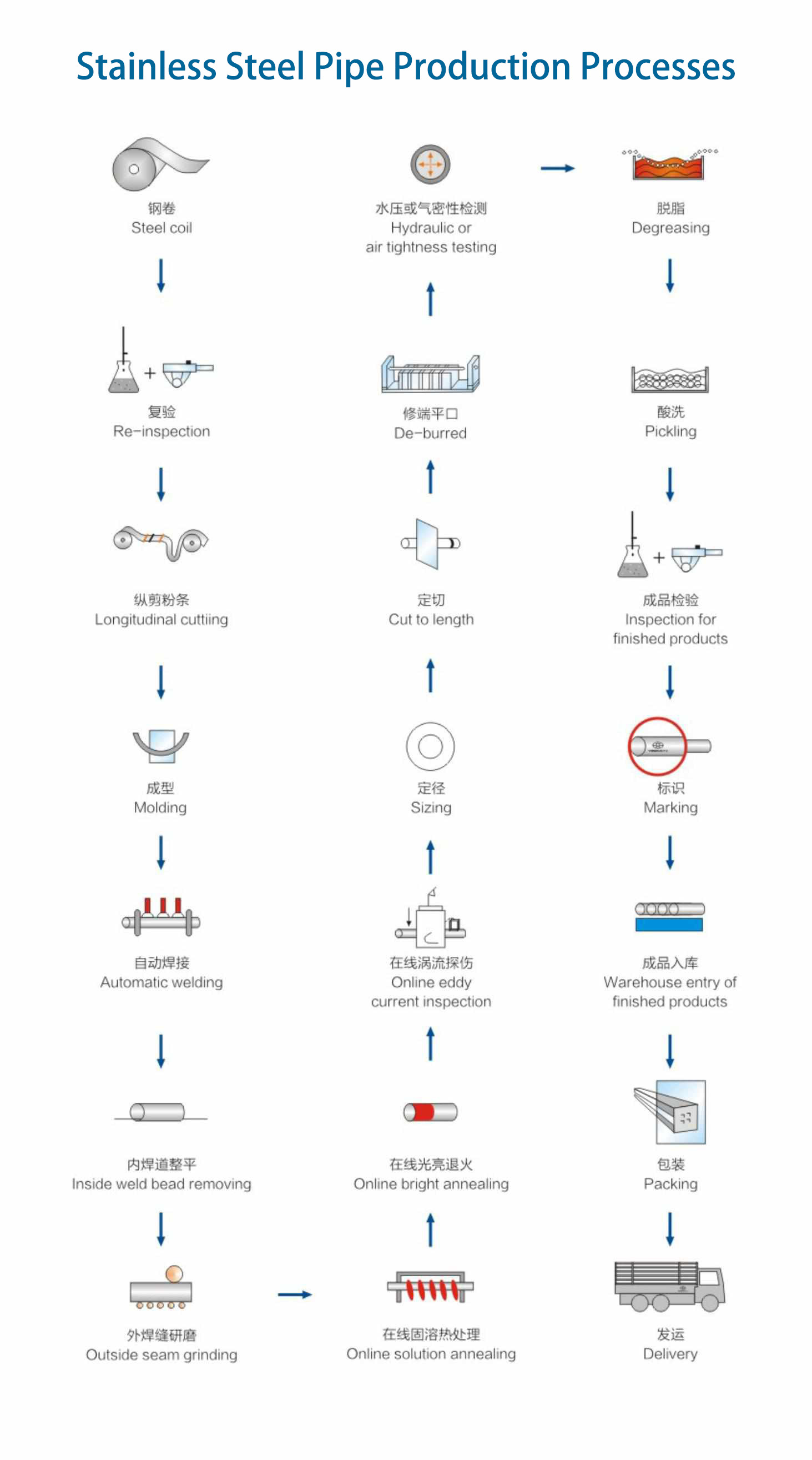
The manufacturing process begins with preparing the raw stainless steel material. In welded tube production, stainless steel is typically supplied as coils or strips with specific thickness and alloy composition. These coils are first uncoiled and straightened before entering the forming line.
Material preparation may also include cleaning the surface to remove oils, dust, or contaminants that could affect the welding or finishing processes. Ensuring consistent material quality at this stage is essential because variations in the raw material can influence the forming process, weld quality, and final tube performance.
Proper material preparation allows the production line to operate smoothly and ensures that the stainless steel strip is ready for precise forming and shaping.
After preparation, the stainless steel strip moves through a series of forming rollers that gradually bend the flat material into a tubular shape. Each set of rollers progressively shapes the strip until the edges meet to form an open seam. This roll-forming process allows manufacturers to produce tubes continuously while maintaining tight control over diameter and alignment.
Once the tube shape is formed, the open seam is welded to create a fully enclosed tube. High-frequency (HF) welding or TIG welding is commonly used in stainless steel tube production, depending on the product requirements and production setup. The welding process must be carefully controlled to ensure strong seam integrity while minimizing distortion or surface defects.
After welding, the tube typically passes through additional sizing rollers to refine its diameter and roundness. This ensures that the tube meets dimensional specifications before moving to the next stage of production.
Following the forming and welding stages, stainless steel tubes often undergo surface treatment processes to improve both performance and appearance. Surface treatments may include mechanical polishing, brushing, or other finishing operations designed to remove imperfections and achieve the desired surface texture.
Chemical treatments such as pickling or passivation may also be applied to remove oxide layers and restore the stainless steel’s corrosion-resistant surface. In some cases, tubes may undergo heat treatment processes to relieve internal stresses and improve material stability after welding or cold working.
These finishing and treatment processes help ensure that the tubes meet both functional and aesthetic requirements for their intended applications.
The final stage of the manufacturing workflow involves comprehensive inspection and quality control. Stainless steel tubes are evaluated using a range of testing methods to confirm that they meet the required dimensional, mechanical, and surface quality standards.
Inspections may include dimensional measurements, visual inspection of weld seams, surface roughness evaluation, and non-destructive testing techniques such as ultrasonic or eddy current testing. These methods help detect potential defects and ensure the structural integrity of the finished tubes.
Quality control procedures are essential for verifying that each tube meets industry specifications and can perform reliably in demanding operating environments. By combining careful process control with rigorous inspection, manufacturers can ensure that stainless steel tubes leaving the production line maintain consistent quality and long-term durability.
Mastery of stainless steel tube manufacturing encapsulates a blend of scientific understanding and engineering precision. This process integrates advanced metallurgy, precise fabrication, and stringent quality control. As the industry evolves, sustainability practices and future technologies become pivotal. Emphasizing eco-friendly methods and innovative solutions guarantees long-term viability.
| Aspect | Importance | Future Focus |
| Welding Techniques | Guarantees structural integrity | Automation and robotics |
| Surface Finishes | Enhances durability and aesthetics | Eco-friendly coatings |
| Testing Procedures | Verifies compliance | Advanced non-destructive methods |
Understanding these elements empowers engineers and planners to select superior tubing solutions. By adhering to these principles, manufacturers not only meet technical specifications but also contribute to sustainable development and technological advancement.
Stainless steel production accounts for approximately 4% of global industrial energy use. Sustainability practices focus on reducing energy consumption through advanced technologies, recycling, and waste management, aiming to minimize environmental impacts while maintaining material integrity and performance.
Stainless steel tube recycling involves efficient recycling processes, including collection, sorting, and remelting. These processes guarantee material recovery, enhancing sustainability benefits by reducing resource consumption and waste, ultimately contributing to a circular economy and environmental conservation.
Future trends in stainless steel tube technology focus on smart coatings enhancing corrosion resistance and advanced alloys improving strength-to-weight ratios. These innovations drive efficiency and sustainability, appealing to industries requiring precise control and high-performance materials.
Could tube manufacturing secretly alter stainless steel’s magnetic properties? Variations in alloy composition, cold working, and heat treatment greatly influence these characteristics. Understanding these factors is essential for precision control over the material’s magnetic behavior.
Stainless steel tube manufacturers require certifications like ISO 9001 for quality assurance and compliance with industry standards such as ASTM and ASME. These guarantee precision, reliability, and adherence to stringent material specifications in production processes.
In the domain of stainless steel tube manufacturing, each process—like a craftsman's journey—intertwines precision, innovation, and resilience. Welding techniques, akin to forging bonds, shape the foundation, while surface finishes and passivation mirror the polishing of character. Quality testing serves as the guardian, ensuring durability and performance. This meticulous orchestration, an allegory of mastery, underscores the commitment to excellence and the pursuit of reliability in an ever-demanding industry landscape.