Stainless steel sanitary tubing plays an important role in Australia's food, dairy and beverage processing industries. From milk processing lines and beverage production systems to food processing equipment, stainless steel tubes must meet demanding requirements for hygiene, corrosion resistance, dimensional accuracy and surface quality.
If you are researching stainless steel sanitary tube Australia suppliers, compare the required standard, material grade, surface finish, inspection documentation and the supplier’s ability to meet your project specifications.
For Australian manufacturers, equipment builders, distributors and engineering contractors, selecting the right sanitary tubing involves more than choosing a stainless steel grade. Buyers should also consider applicable standards, tube dimensions, internal surface finish, weld quality, inspection procedures and supplier reliability.
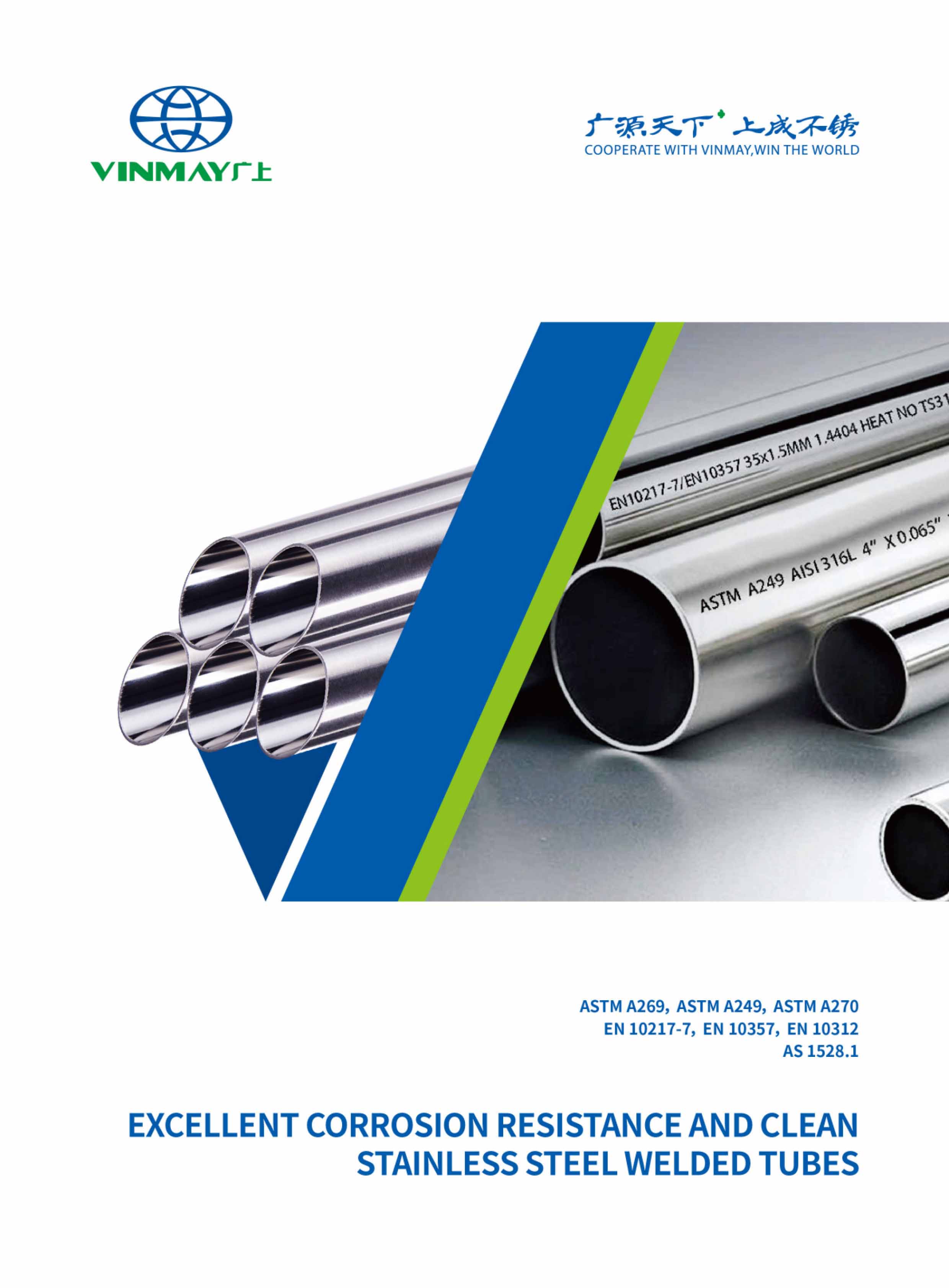
VINMAY manufactures stainless steel welded tubes for industrial and sanitary applications, supporting international customers with product specifications and quality documentation to meet their project requirements.
Stainless steel sanitary tubing is designed for applications where cleanliness, corrosion resistance and ease of cleaning are important. It is commonly used in food and beverage processing, dairy production, pharmaceutical equipment and other hygienic processing systems.
Compared with general-purpose industrial tubing, sanitary tubing requires particular attention to its internal surface condition, weld integrity, dimensional consistency and suitability for the intended cleaning process.
Typical applications include:
When sourcing stainless steel sanitary tube in Australia, buyers should confirm the applicable product standard and the specific requirements of their processing system.
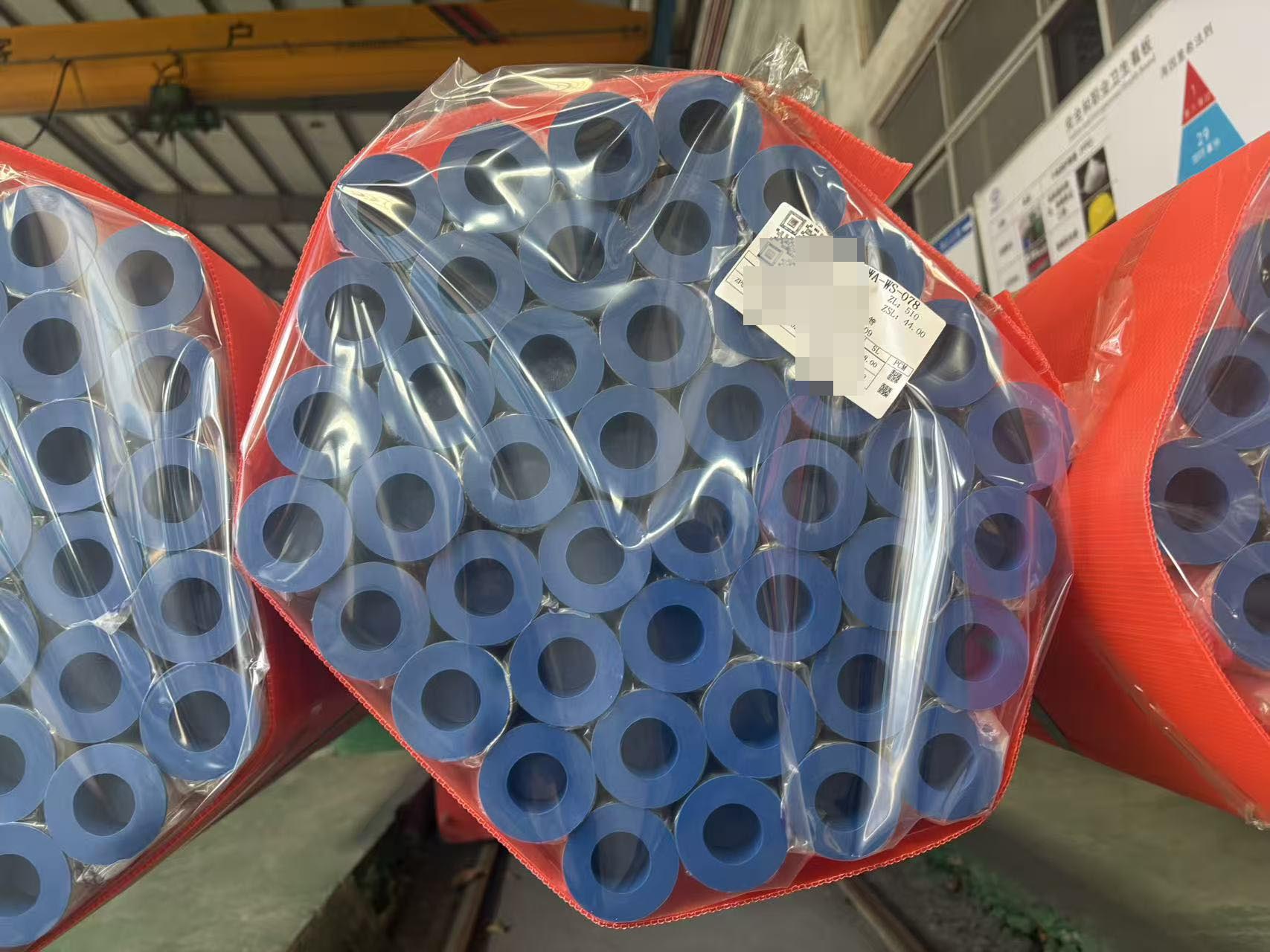
Choosing the appropriate standard is an important step when purchasing stainless steel tubing for Australian food and beverage applications.
AS 1528.1 is an important Australian standard for stainless steel tubes used in food, dairy and beverage processing applications. Buyers working on Australian projects should confirm the required edition, dimensions, material grade, delivery condition and relevant inspection requirements.
When requesting a quotation, specify whether the tubing must comply with AS 1528.1 and provide the required tube dimensions and material grade.
These standards are not interchangeable by default. Buyers should confirm that the selected standard meets the requirements of the equipment manufacturer, project specification and intended application.
Stainless steel grade selection affects corrosion resistance, cost and service life.
304 stainless steel is widely used for general food processing equipment and many beverage applications. It offers good corrosion resistance in a range of common processing environments and is often selected for applications without unusually aggressive chemical exposure.
316L stainless steel contains molybdenum, which generally improves resistance to chloride-related corrosion compared with 304. Its low carbon content also makes it suitable for applications where the requirements for welded construction and corrosion resistance need to be considered together.
316L may be appropriate for certain saline, chloride-containing or more demanding processing environments. However, the correct grade depends on the actual process conditions, cleaning chemicals, temperature and operating environment.
For more information , please click : 304 vs 316L Sanitary Tubes for Food Tanks Introduction
Do not choose a grade based on price alone. Confirm the process medium, cleaning and sanitising chemicals, temperature and corrosion risks before finalising the material specification.
The internal surface finish is an important consideration for hygienic processing systems. A suitable surface can help reduce areas where product residues may accumulate and make cleaning more effective when the overall system is properly designed.
Surface roughness is commonly expressed as Ra, measured in micrometres (µm). A lower Ra value indicates a smoother measured surface.
The required Ra value depends on the applicable standard, customer specification and intended application. Buyers should distinguish between the base material surface, the weld zone and the finished internal surface after polishing or other treatment.
For demanding hygienic applications, electropolishing or mechanical polishing may be specified. However, the required finish should be agreed upon in the technical specification rather than assumed from a general description such as “sanitary grade.”
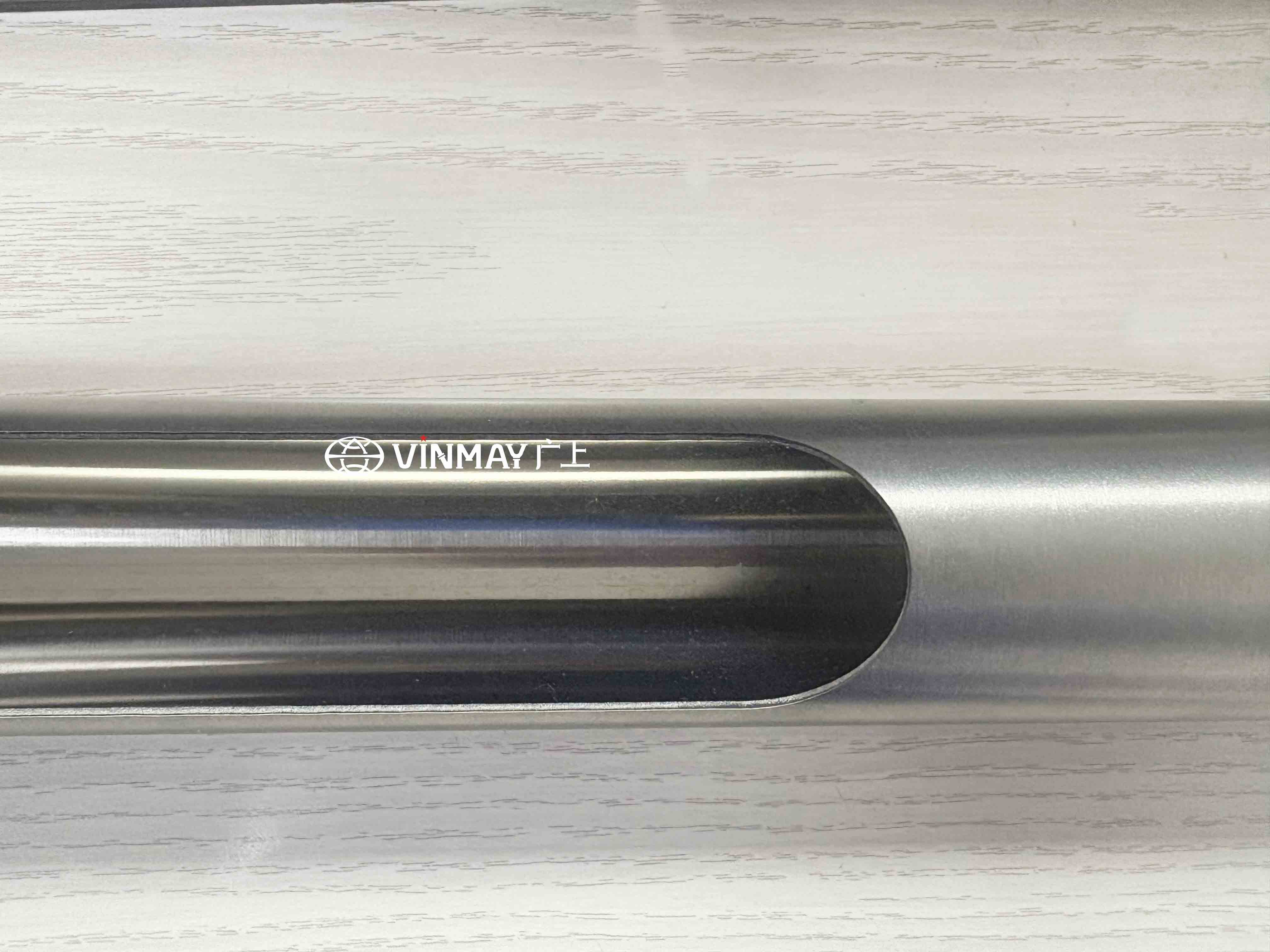
A smooth external appearance alone does not demonstrate that a tube meets all hygienic or mechanical requirements.
Reliable quality control helps ensure that stainless steel tubing meets the agreed technical requirements.
Depending on the product standard, order specification and inspection plan, quality checks may include:
Dimensional inspection: Verification of outside diameter, wall thickness, length and other specified dimensions.
Material identification: Checks such as Positive Material Identification (PMI), where required, to help verify alloy composition.
Eddy current testing: A non-destructive method used to detect certain discontinuities in tubing, subject to the applicable testing procedure.
Hydrostatic or other specified leak testing: Used where required by the product standard or purchase specification.
Surface inspection: Examination for scratches, cracks, weld-related defects and other unacceptable surface conditions.
Documentation and traceability: Review of material test certificates, inspection records and product identification.
The required tests and acceptance criteria should be confirmed against the applicable standard and purchase order. Not every test applies to every stainless steel tube.
When evaluating a supplier, Australian buyers should request the relevant inspection documentation and confirm whether additional testing or third-party inspection is required.
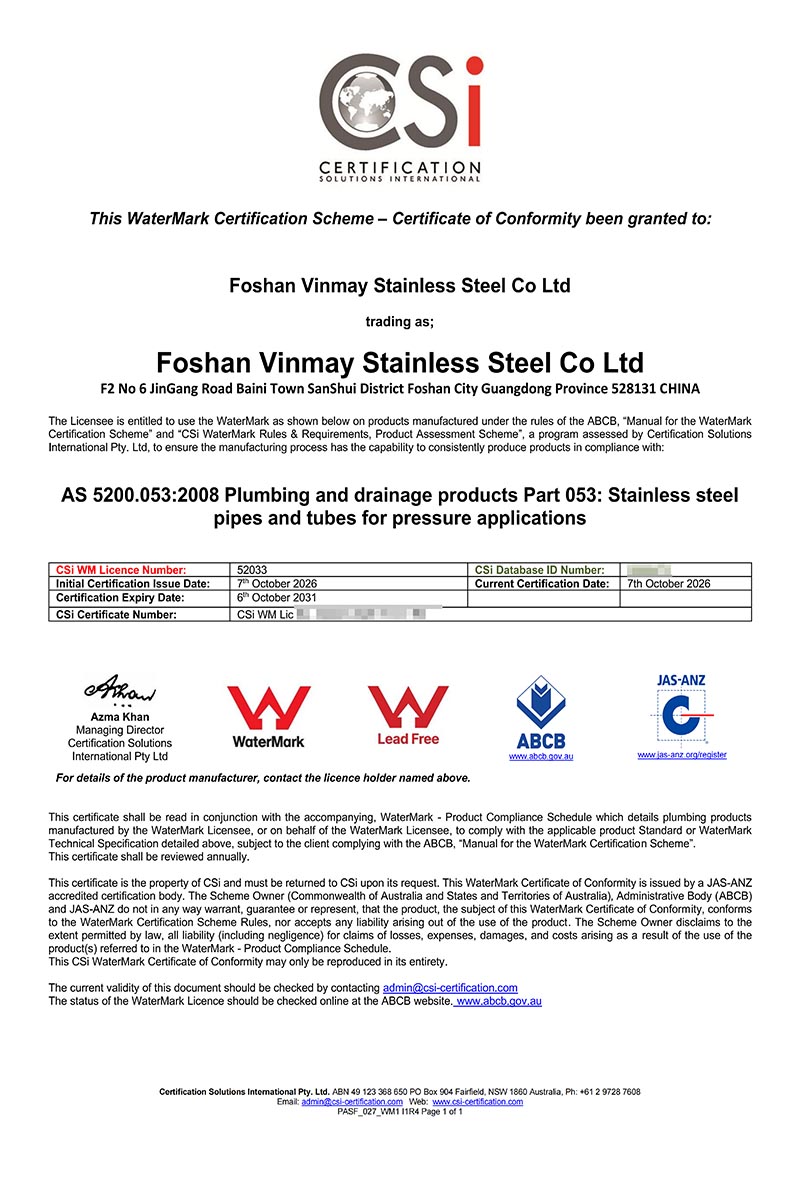
For Australian buyers, product compliance is an important consideration when sourcing stainless steel pipes and tubes for plumbing and pressure applications.
VINMAY has obtained WaterMark certification under AS 5200.053:2008 – Plumbing and drainage products, Part 053: Stainless steel pipes and tubes for pressure applications. The certificate was issued by Certification Solutions International (CSi) under the WaterMark Certification Scheme.
VINMAY WaterMark Certification Details
This certification relates to products covered by the applicable WaterMark Product Compliance Schedule. Buyers should verify that the specific product, size and intended application fall within the current certification scope before purchasing.
The certificate should be read together with its accompanying Product Compliance Schedule, and its current validity should be checked through the relevant certification database.
It is important to distinguish WaterMark certification for stainless steel pipes and tubes used in pressure applications from sanitary tubing requirements for food, dairy and beverage processing. WaterMark certification should not be assumed to establish compliance with AS 1528.1 or other sanitary tubing specifications.
For food and beverage processing systems, buyers should separately evaluate hygienic design, stainless steel grade, internal surface finish, weld quality and the applicable product standard.
By confirming both certification scope and technical requirements before placing an order, Australian buyers can make more informed sourcing decisions.
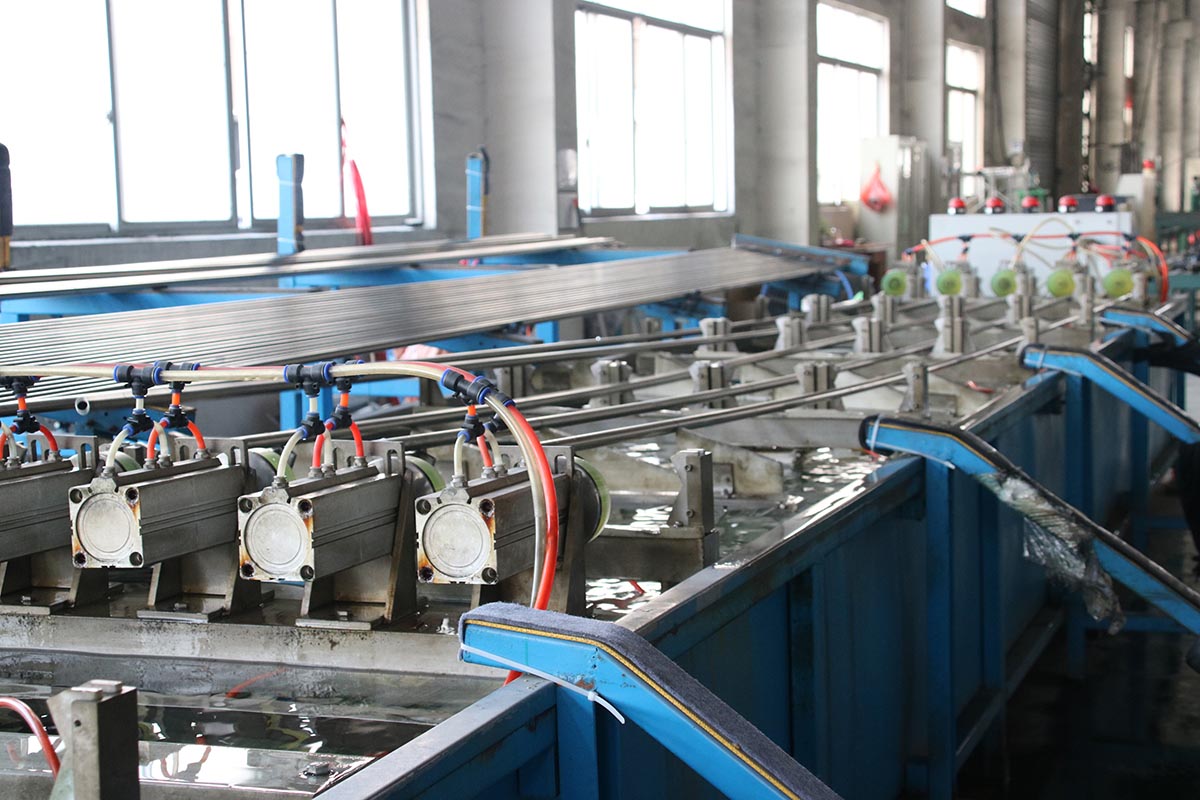
Selecting a suitable supplier involves evaluating manufacturing capability, quality control, technical support and export experience.
When comparing stainless steel tubing suppliers, consider the following factors:
Product range: Can the supplier manufacture the required grades, dimensions, wall thicknesses and surface finishes?
Standard compliance: Can the supplier provide documentation relevant to the required product standard and order specification?
Manufacturing capability: Does the supplier have suitable welding, annealing, finishing and inspection processes?
Quality documentation: Can the supplier provide material certificates, inspection records and traceability documents as required?
Export experience: Is the supplier familiar with export packaging, shipping documentation and communication with overseas customers?
Technical communication: Can the supplier clarify technical questions and confirm product details before production?
A supplier that understands the intended application can help buyers define a more accurate specification and reduce misunderstandings during procurement.
To receive an accurate quotation, Australian buyers should provide as much of the following information as possible:
If the project requires WaterMark-certified products, identify the intended application and request confirmation that the specific product is included in the applicable certification scope.
Providing these details helps the supplier assess technical feasibility, confirm compliance requirements and prepare a more relevant quotation.
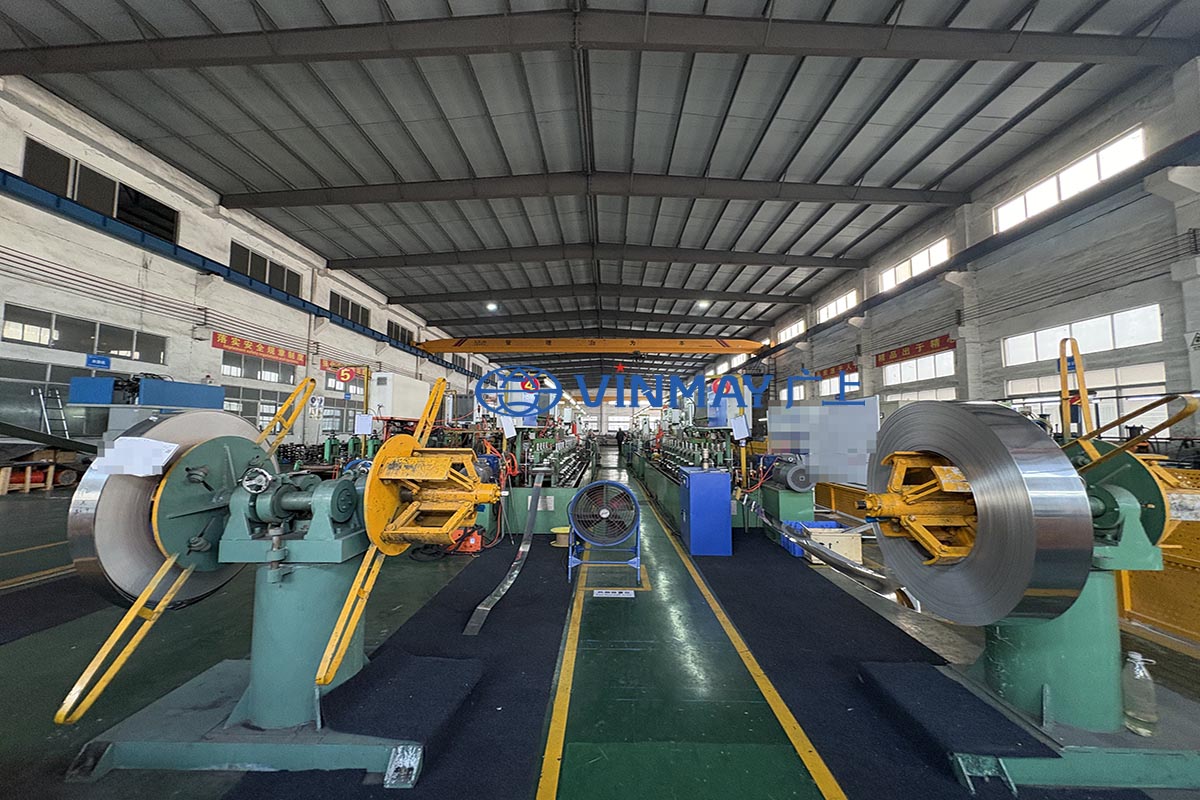
Foshan Vinmay Stainless Steel Co Ltd manufactures stainless steel welded tubes for decorative, industrial and sanitary applications.
For Australian buyers sourcing stainless steel sanitary tube for food and beverage processing, VINMAY can discuss product requirements such as material grade, dimensions, surface finish, applicable standards and inspection documentation.
For projects involving plumbing or pressure applications, buyers can also enquire about products covered by VINMAY's WaterMark certification, subject to confirmation of the relevant certification scope.
Whether you are a distributor, equipment manufacturer or project contractor, providing your technical specification and expected quantity will help our team assess your requirements.
Contact VINMAY to discuss your stainless steel tubing requirements and request product information or a quotation.
AS 1528.1 is an important standard to consider when specifying stainless steel sanitary tube for Australian food, dairy and beverage processing. The appropriate standard depends on the application and project specification.
Not always. 316L generally offers improved resistance to chloride-related corrosion, but the best grade depends on the process medium, cleaning chemicals, temperature and operating environment.
Internal surface roughness is one factor affecting cleanability and hygienic performance. The required finish should be specified according to the applicable standard, customer requirements and process conditions.
No. WaterMark certification relates to the products and applications covered by the relevant certification scope. Food processing applications require separate evaluation of the applicable sanitary tubing standard, material, surface finish and hygienic requirements.
Depending on the order requirements, buyers may request material test certificates, dimensional inspection reports, non-destructive testing records, specified pressure or leak-test results, traceability documentation and applicable certification documents.