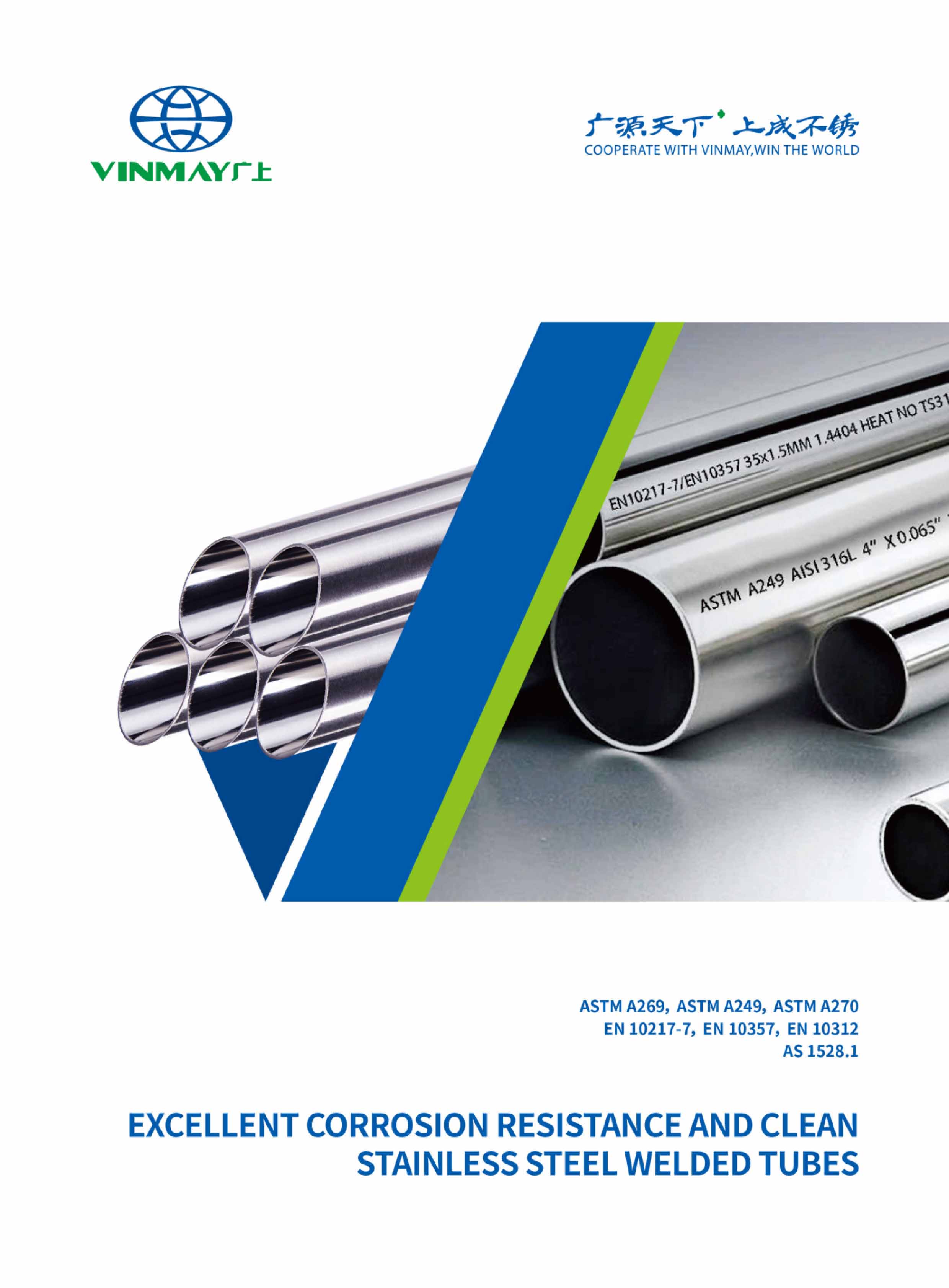
Stainless steel pipe for HVAC systems is a durable option for chilled water, heating, condensate, and other moisture-prone applications where corrosion resistance and long-term reliability are important. Grades such as 316L provide stronger performance in chloride-rich or corrosive environments, while 304 and 304L are often suitable for general indoor HVAC installations. Key design considerations include thermal expansion, insulation compatibility, joining methods, and system pressure requirements. Although the initial material cost may be higher than some alternatives, stainless steel can reduce maintenance demands and support a longer service life.
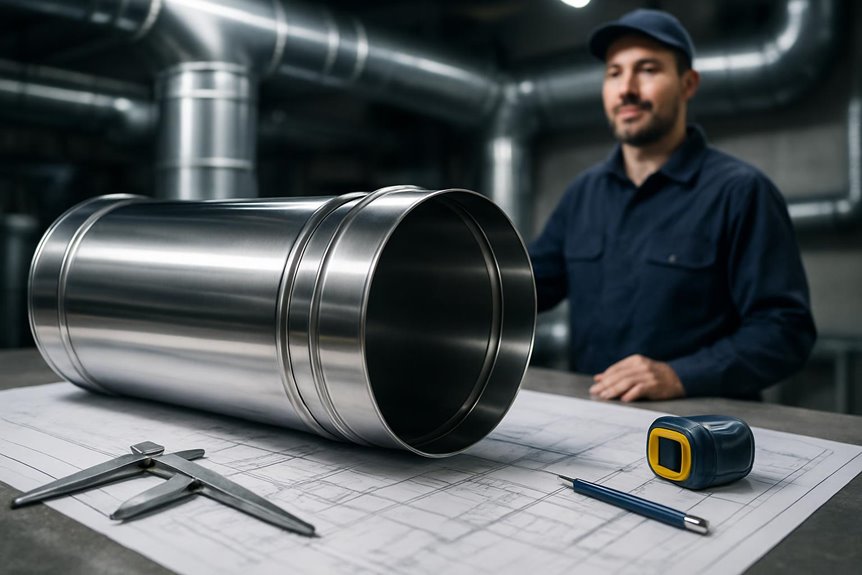
Stainless steel excels in HVAC systems due to its superior corrosion resistance, guaranteeing longevity in environments prone to moisture and condensation.
The use of stainless steel HVAC tubing is critical in mitigating common challenges such as rust and degradation, which compromise system efficiency and safety. Unlike traditional materials, stainless steel offers a corrosion-resistant HVAC pipe solution that withstands harsh conditions, reducing maintenance costs and extending service life.
Stainless steel HVAC tubing crucially mitigates rust and degradation, enhancing efficiency and extending system lifespan.
Its mechanical strength supports robust performance, while its durability guarantees consistent operation over time. Grade 316 stainless steel provides a typical tensile strength of 515 MPa, helping HVAC piping and support components maintain structural reliability under demanding conditions. Its austenitic structure also provides strong impact resistance, helping components tolerate sudden shocks or vibration without fracturing.
In environments where cleaning chemicals, humidity, or coastal air may introduce chlorides, selecting grades such as 316L helps reduce the risk of pitting corrosion.
Engineers should also verify material specifications, pipe schedules, and installation practices against relevant ASTM standards to support safe, compliant performance.
By prioritizing lifecycle performance and reliability, engineers find stainless steel an excellent choice for HVAC systems, aligning with the demand for sustainable and cost-effective infrastructure solutions. With proper care, 316 stainless steel welded pipes can deliver a long lifespan of 20 to 50 years in demanding service environments.
This engineering decision underscores the material's unparalleled value in demanding applications.
Stainless steel pipes are not used throughout every HVAC system. Instead, they are typically specified for parts of the system where corrosion resistance, pressure performance, and long-term reliability are most important.
The table below shows some of the most common HVAC applications and why stainless steel is selected.
| HVAC Application | Why Stainless Steel Is Used | Common Grades |
|---|---|---|
| Chilled water systems | Resists corrosion in closed-loop water circulation | 304L, 316L |
| Hot water and heating systems | Handles elevated temperatures and pressure | 304, 304L |
| Condenser water piping | Performs well in humid and corrosive environments | 316L |
| Condensate drainage | Provides long-term resistance to moisture and corrosion | 304 |
| Heat exchangers | Combines strength, corrosion resistance, and durability | 316L |
While stainless steel can be found in many HVAC applications, its advantages become most apparent in systems exposed to moisture, aggressive water chemistry, or demanding operating conditions.
Chilled water networks are among the most common applications of stainless steel piping in commercial buildings, hospitals, airports, and industrial facilities. Although these systems operate in closed loops, corrosion can still develop over time due to water quality, dissolved oxygen, or poor maintenance.
Stainless steel helps minimize corrosion-related failures, reduces maintenance requirements, and supports a longer service life compared with many traditional piping materials.
Condenser water circuits and heat exchangers often operate under more challenging conditions, particularly in cooling towers or coastal environments where moisture and chlorides increase the risk of corrosion.
For these applications, 316L stainless steel is frequently preferred because its higher molybdenum content provides better resistance to chloride-induced corrosion than 304 grades.
Heating water systems benefit from stainless steel's mechanical strength and ability to withstand continuous temperature fluctuations. Meanwhile, condensate drainage systems are constantly exposed to moisture, making corrosion resistance an important consideration for long-term reliability.
Although these applications may not require the same level of corrosion resistance as condenser water systems, stainless steel still offers lower maintenance requirements and a longer operating life than many conventional alternatives.
Selection Tip: The best application for stainless steel depends on operating conditions rather than the HVAC system itself. Factors such as water chemistry, temperature, chloride exposure, and expected service life should all be considered when selecting the appropriate material and grade.
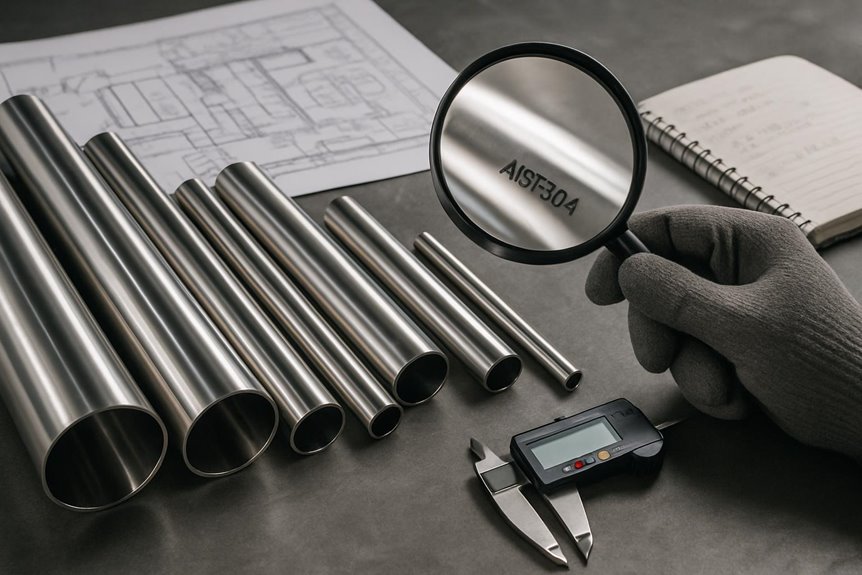
Selecting the appropriate stainless steel grade for HVAC systems involves evaluating the specific requirements of the application, such as corrosion resistance, weldability, and environmental conditions. A smooth, polished surface finish can also improve hygiene and corrosion resistance by reducing surface roughness and limiting bacterial adhesion.
Grade 304 offers robust performance and cost-effectiveness for general applications, while Grade 304L, with its lower carbon content, provides enhanced weldability. ASTM standards can also help verify chemical composition, heat treatment, and other material attributes when selecting stainless steel pipe for HVAC specifications. For systems operating near elevated temperatures, 316 stainless steel can maintain mechanical properties up to about 870°C, supporting reliable performance in demanding HVAC environments.
Grade 316L is preferable in more corrosive environments due to its superior resistance to chemicals, making it ideal for industries like pharmaceuticals and coastal installations. Its lower carbon content helps reduce carbide precipitation during welding, which is especially useful for HVAC assemblies requiring extensive fabrication.
Its added molybdenum improves pitting resistance in chloride-rich environments, which is a key advantage for systems exposed to coastal air or harsh chemicals.
When evaluating stainless steel grades for HVAC systems, understanding the specific characteristics of each option is essential.
Grade 304 stainless steel is commonly chosen for its balance of strength, cost-effectiveness, and corrosion resistance, making it a preferred option for general HVAC applications. Unlike 316L stainless steel HVAC applications, which require enhanced chemical resistance, 304 serves well in environments where exposure to corrosive agents is minimal. For HVAC fabrication and general service tubing, ASTM A269 is one standard that covers welded austenitic stainless steel tubing, including 304.
Key attributes of 304 stainless steel include:
Its 18% chromium and 8% nickel composition helps provide the corrosion resistance and durability needed for dependable HVAC performance. The chromium content also supports a protective passive oxide layer that helps maintain resistance to oxidation and surface deterioration over time.
With an approximate yield strength of 215 MPa, 304 stainless steel can support dependable service in typical HVAC pipe and tubing installations. For rectangular tubing or duct-related components, wall thickness should be evaluated alongside inside dimensions because it affects flow capacity, fitting compatibility, and mechanical reliability.
Selecting Grade 304 guarantees reliability in less aggressive environments.
A multitude of factors influence the choice between stainless steel grades for HVAC systems, with Grade 304L offering distinct advantages. Known for its enhanced weldability and reduced carbon content, 304L stainless steel is ideal for applications requiring extensive welding without the risk of carbide precipitation. In comparison, 201 stainless steel can be welded by conventional methods but may be susceptible to intergranular corrosion in the heat-affected zone.
The HVAC stainless steel pipe made from 304L provides excellent corrosion resistance, making it suitable for both indoor and outdoor environments prone to moisture. Compared to 304 stainless steel HVAC applications, 304L's low carbon variant minimizes potential corrosion at welded joints, ensuring longevity and reliability. In addition, stainless steel tubing is valued in industrial settings for its high tensile strength, which supports durable framing, railings, and system components.
Like food grade 304 stainless steel, 304L benefits from excellent corrosion resistance and durability in environments where moisture and acidic exposure may be concerns. Compliance with standards such as ASTM A269 helps ensure stainless steel pipes meet performance and dimensional requirements for reliable system use.
This grade is particularly advantageous in moderate corrosive environments where cost-effectiveness and durability are paramount. Unlike 201 stainless steel, 304L contains higher nickel levels that improve oxidation resistance and long-term performance in demanding HVAC environments. For HVAC systems, 304L serves as a versatile and dependable choice, balancing performance and economy effectively.
316L stainless steel stands out as an ideal choice for HVAC systems requiring enhanced corrosion resistance and weldability. This grade is particularly suitable for hvac piping materials in environments exposed to corrosive chemicals or extreme temperatures. In coastal or marine-adjacent HVAC installations, the molybdenum in 316L improves resistance to pitting corrosion caused by chloride exposure.
Compared to 304 and 304L, 316L offers superior resistance to pitting and crevice corrosion due to its molybdenum content. Its low carbon content minimizes carbide precipitation during welding, ensuring robust joints. Under ASTM A270 composition requirements, 316 stainless steel typically contains 2.00-3.00% molybdenum, which helps improve performance in aggressive environments. Like other stainless grades, proper cleaning and avoidance of abrasive materials support corrosion prevention and long-term pipe integrity.
For consistent performance, HVAC specifiers can look for tubing produced to recognized standards such as ASTM A269, which covers seamless and welded stainless steel tubes for general service applications. For welded stainless steel mechanical tubing used in related fabricated components, ASTM A554 defines requirements for dimensions, mechanical properties, and surface finish.
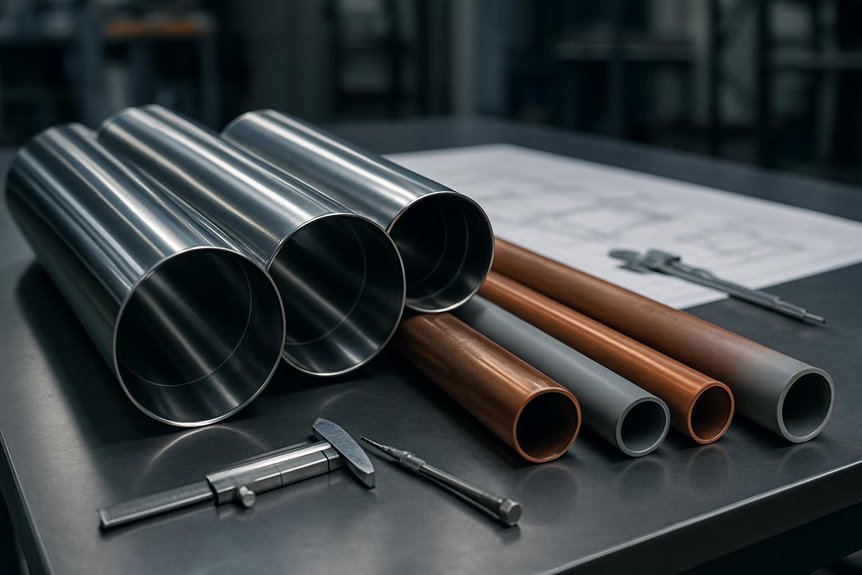
Selecting HVAC piping involves more than comparing initial material cost. Corrosion exposure, water chemistry, operating temperature, pressure, installation method, maintenance access, and expected service life all affect the most suitable choice.
| Material | Main Advantages | Main Limitations | Typical HVAC Use |
|---|---|---|---|
| Stainless steel | Strong corrosion resistance, high mechanical strength, long service life, suitable for demanding water quality and exposed environments | Higher upfront cost; requires correct grade selection and qualified welding or joining | Chilled water, condenser water, heating water, cooling towers, heat exchanger connections, corrosive or high-maintenance environments |
| Carbon steel | Strong, widely available, and cost-effective for large closed-loop systems | Can corrode internally and externally if water treatment, coating, insulation, or maintenance is inadequate | Closed-loop chilled and heating water systems |
| Copper | Lightweight, easy to fabricate, and widely used for smaller pipe sizes | Higher material cost; can be affected by aggressive water chemistry and may be less practical for large-diameter systems | Refrigerant lines, condensate drainage, small heating and cooling connections |
| Galvanized steel | Provides initial zinc-based corrosion protection and mechanical durability | Zinc coating can degrade over time; internal scaling and corrosion can restrict flow | Older HVAC and drainage installations; generally less preferred for new hydronic systems |
| PEX and other plastics | Lightweight, corrosion-resistant, and fast to install | Lower temperature and pressure capability; may require additional support and protection from UV or mechanical damage | Low-temperature heating loops, residential hydronic systems, selected condensate applications |
Stainless steel is often selected where conventional carbon steel would require frequent corrosion control or where copper is not economical at larger diameters. In chilled-water and condenser-water systems, stainless steel can help reduce the risk of rust-related contamination, scale buildup, and premature leakage—particularly where moisture, chlorides, or inconsistent water treatment create a more aggressive operating environment.
Grade selection remains important. Type 304 stainless steel is commonly suitable for controlled indoor HVAC applications, while 316L is typically preferred for cooling towers, coastal installations, and systems exposed to higher chloride levels. The right choice should be based on operating conditions, water analysis, insulation design, joining method, and long-term maintenance requirements rather than material price alone.
Design considerations for stainless steel HVAC piping require an extensive analysis of factors such as closed-loop water chemistry, which impacts corrosion resistance and system longevity.
Attention to condensation and moisture exposure is vital for preventing structural integrity issues and ensuring peak performance. A polished surface finish can also help minimize crevices where contaminants may accumulate, supporting cleaner and more reliable piping performance.
Additionally, considerations of thermal expansion, insulation compatibility, and precise welding and installation techniques are essential to maintain system efficiency and reliability. Using the linear expansion formula, designers can estimate thermal growth and plan supports, anchors, and clearances to reduce stress in long stainless steel piping runs. Selecting seamless pipes can provide uniform strength and fewer weak points in high-stress HVAC applications. Proper quality inspection during manufacturing and installation helps confirm that piping meets performance expectations and reduces the risk of defects.
Because stainless steel is known for corrosion resistance and durability in high-pressure systems, it can be a strong choice for demanding HVAC applications when installation requirements are properly addressed.
In the design of stainless steel HVAC piping systems, understanding closed-loop water chemistry is essential for ideal performance and longevity. Proper management of water chemistry minimizes corrosion and scaling, ensuring efficient system operation. Stainless steel is widely used in hygienic fluid-handling applications because its smooth, corrosion-resistant surfaces support product integrity and easier cleaning.
Key considerations include:
These elements are critical for optimizing the durability and efficiency of stainless steel HVAC systems, supporting effective temperature regulation and reducing maintenance costs. Stainless steel piping also offers high pressure and temperature tolerance, making it suitable for demanding HVAC applications.
Controlling chlorides and mineral buildup is also important because deposits and water can interfere with stainless steel’s protective oxide layer and encourage corrosion. In confined areas where deposits restrict oxygen renewal, crevice corrosion can develop and compromise stainless steel piping. Stainless steel alloys such as 316L are valued for corrosion resistance in environments exposed to moisture, cleaning agents, and chemically active fluids.
Proper water chemistry management is therefore a cornerstone in system design and operation.
Managing condensation and moisture exposure is crucial in the design of stainless steel HVAC piping. Stainless steel's inherent resistance to corrosion and durability under humid conditions makes it a superior choice for environments prone to moisture accumulation.
Effective design must account for potential condensation, particularly in areas with temperature differentials that may cause moisture to form. Utilizing insulation around pipes can mitigate the risk of condensation, preserving the integrity and longevity of the system. Specifying appropriate material grades, such as Type 316 or duplex stainless steel, can further improve corrosion resistance in moisture-prone HVAC applications.
Additionally, proper ventilation strategies guarantee that moisture does not accumulate, further safeguarding against corrosion and mold formation. Routine inspections can also identify early signs of localized corrosion caused by condensate before it compromises piping performance.
Stainless steel’s robustness, combined with these strategic design practices, provides a reliable solution to challenges posed by moisture exposure in HVAC systems, ensuring peak performance and maintenance. Regular visual inspections can also reveal moisture-related leaks or corrosion before they escalate into costly system issues. Its superior corrosion resistance and high tensile strength support long-term durability in humid or moisture-prone HVAC environments. This durability also helps reduce the need for frequent replacements, supporting long-term cost savings in demanding HVAC installations.
When considering stainless steel HVAC piping, understanding thermal expansion is essential to ensuring system reliability and longevity. Stainless steel pipes expand and contract with temperature changes, affecting joint integrity and alignment.
Proper design must account for:
Thermal expansion considerations naturally lead to the importance of insulation compatibility in stainless steel HVAC piping systems. The selection of insulation material must align with the thermal and mechanical properties of stainless steel to guarantee system integrity.
Insulation must accommodate pipe expansion and contraction without compromising performance or structural stability. Compatibility with stainless steel’s corrosion resistance is vital, as some insulation materials may contain chlorides that could induce corrosion.
Additionally, the insulation should effectively prevent condensation, which can lead to thermal inefficiencies and potential damage. Proper insulation selection guarantees energy efficiency, minimizes heat loss, and extends the lifespan of the HVAC system.
Evaluating these factors will aid in maintaining control over system performance and reliability.
Effective welding and installation of stainless steel HVAC piping demand meticulous attention to detail and adherence to industry standards. Proper execution secures system integrity and longevity.
Key considerations include:
Attention to these factors guarantees a seamless integration of stainless steel piping into HVAC systems.
Adhering to these practices not only enhances performance but also minimizes potential failures, ensuring reliability and efficiency over extended periods.
Evaluating the long-term cost of stainless steel HVAC piping requires a thorough analysis of its entire service life. Material cost must be considered alongside factors such as maintenance frequency, corrosion-related failures, replacement costs, downtime, and expected service life.
Though stainless steel may present a higher initial investment, its corrosion resistance and durability reduce maintenance needs and the likelihood of failures. This leads to fewer costly replacements and minimal operational interruptions.
Over time, these advantages translate to a lower total cost of ownership. By choosing stainless steel, decision-makers can guarantee that the initial expenditure is offset by long-term savings, making it a financially sound choice for sustainable HVAC systems.
This analytical approach underscores the strategic benefit of investing in quality materials.
Vinmay supplies stainless steel welded pipes for HVAC applications where corrosion resistance, dimensional consistency, and dependable delivery are essential. Available in 304, 304L, and 316L stainless steel, our tubes can be specified in suitable surface finishes, lengths, and dimensions to support chilled water, heating water, condensate, and equipment connection systems.
Our manufacturing and supply capabilities help simplify HVAC pipe sourcing:
Contact Vinmay to discuss stainless steel HVAC pipe specifications, request material documentation, or arrange a sample for evaluation.nts.
Stainless steel, like a steadfast guardian, enhances HVAC efficiency by resisting corrosion and moisture, ensuring system longevity. Its strength and ease of maintenance reduce downtime, delivering consistent performance and reliability for those who value precision and control.
Regular inspection and cleaning prevent debris buildup in stainless steel HVAC pipes. Monitoring for any signs of corrosion, despite resistance, guarantees longevity. Maintenance involves confirming proper insulation to avoid temperature fluctuations affecting performance.
Stainless steel HVAC pipes offer environmental sustainability due to their durability, recyclability, and corrosion resistance. These attributes reduce resource consumption and waste, aligning with eco-friendly practices and promoting long-term efficiency in heating, ventilation, and air conditioning systems.
Stainless steel pipes effectively handle extreme temperatures in HVAC systems due to their high thermal resistance and low thermal expansion. Grades 304 and 316 provide stability, ensuring consistent performance and reliability under varying temperature conditions common in HVAC applications.
Stainless steel in HVAC systems acts like a steadfast lighthouse, guiding safety with its corrosion resistance, preventing leaks and contamination. Its durability guarantees reliable performance, minimizing risks associated with mold growth or chemical exposure, which is essential for controlled environments.
In evaluating HVAC piping materials, stainless steel stands out for its unmatched durability, corrosion resistance, and minimal maintenance needs. Grades 304 and 316 offer robust solutions for diverse environments, ensuring system integrity across industries like pharmaceuticals and data centers. Compared to alternatives, stainless steel provides a cost-effective, long-term investment. As demand for sustainable infrastructure rises, the role of stainless steel in HVAC systems is indisputable, highlighting its critical contribution to modern, reliable operations.