
The global dairy industry depends on hygienic processing systems to ensure that milk and dairy products remain safe, clean, and free from contamination throughout production. From raw milk collection to pasteurization, fermentation, storage, and packaging, every stage requires piping that can withstand frequent cleaning, resist corrosion, and maintain strict hygienic standards.
This is where stainless steel dairy tubes play a critical role. Designed specifically for hygienic applications, these tubes provide a smooth internal surface, excellent corrosion resistance, and reliable mechanical performance. They help prevent product contamination, improve cleaning efficiency, and support compliance with international food safety standards.
Compared with ordinary industrial pipes, dairy tubes are manufactured under much stricter quality requirements. Surface finish, weld integrity, dimensional accuracy, and material traceability are carefully controlled to ensure consistent performance in demanding processing environments. Whether used in a milk processing plant, yogurt production line, cheese factory, or beverage facility, hygienic tubing is an essential component of a reliable processing system.
Today, stainless steel dairy tubes are widely specified in accordance with internationally recognized standards such as ASTM A270, EN 10357, DIN 11850, and AS 1528.1, depending on regional project requirements. Material grades including 304, 304L, 316, and 316L are commonly selected according to corrosion conditions, cleaning chemicals, and product purity requirements.
In this guide, we'll explain what stainless steel dairy tubes are, why they are the preferred choice for dairy processing, how they are manufactured, which international standards apply, and what buyers should consider when selecting a reliable supplier.
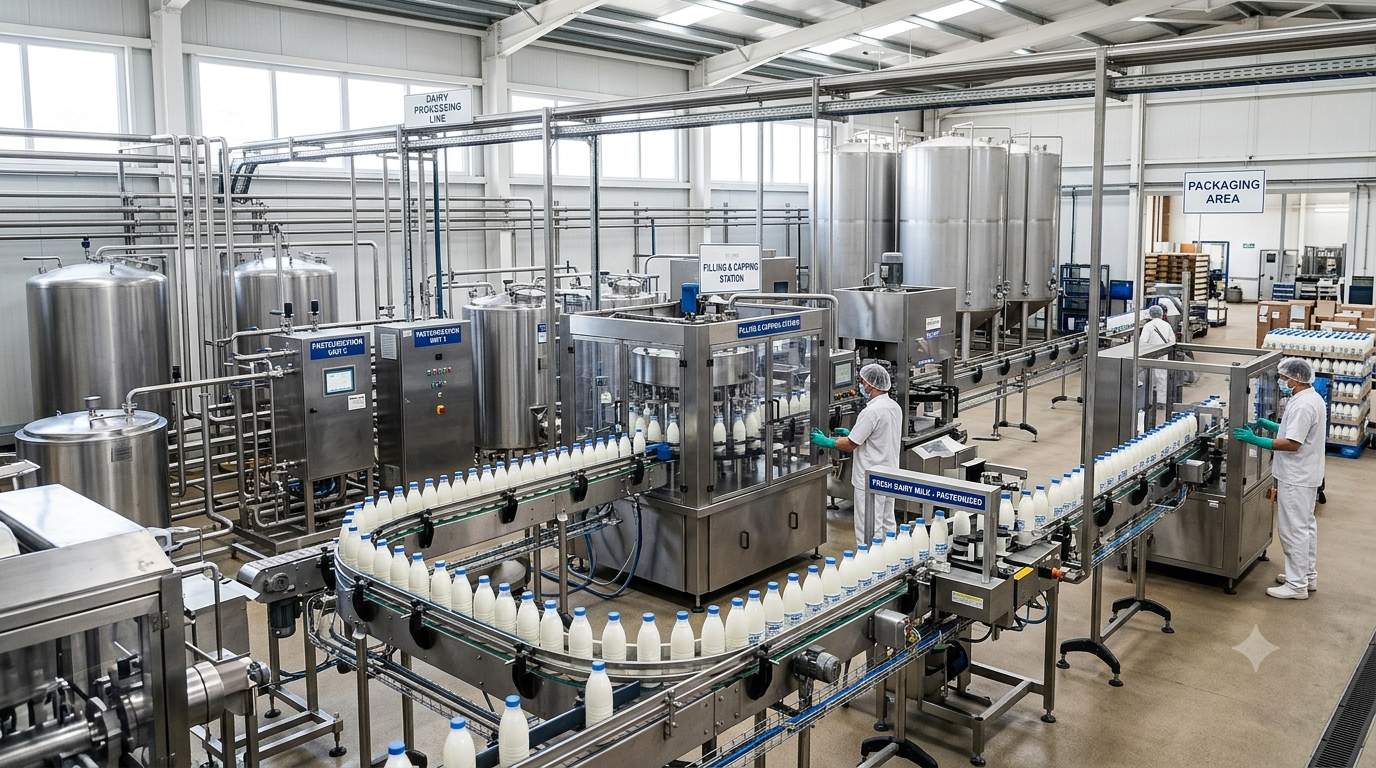
A stainless steel dairy tube is a hygienic welded stainless steel tube designed for transporting milk, cream, yogurt, cheese mixtures, and other food-grade liquids within dairy processing systems. Unlike conventional industrial tubing, dairy tubes are manufactured to meet strict hygienic requirements that minimize bacterial growth and facilitate effective cleaning.
The term "dairy tube" generally refers to stainless steel tubing used in milk and dairy production. In many international markets, it is also classified as sanitary tubing or hygienic tubing, as the performance requirements are very similar. These tubes are commonly installed in systems where product purity and food safety are critical.
A typical dairy processing system includes equipment such as storage tanks, pasteurizers, homogenizers, heat exchangers, separators, filling machines, and Cleaning-In-Place (CIP) systems. Stainless steel tubes connect these pieces of equipment, allowing products to flow smoothly while maintaining hygienic conditions throughout the production process.
Unlike structural stainless steel tubes used in construction or decorative applications, dairy tubes require:
Smooth internal surfaces to reduce product residue.
High-quality welds that minimize crevices where bacteria could accumulate.
Excellent corrosion resistance against dairy products and cleaning chemicals.
Tight dimensional tolerances for reliable connections with sanitary fittings.
Easy cleanability through CIP and SIP (Sterilization-In-Place) systems.
Because the internal surface directly contacts food products, even minor imperfections can increase the risk of contamination or make cleaning more difficult. For this reason, dairy tubing is typically polished to specified surface roughness values and subjected to rigorous quality inspections before delivery.
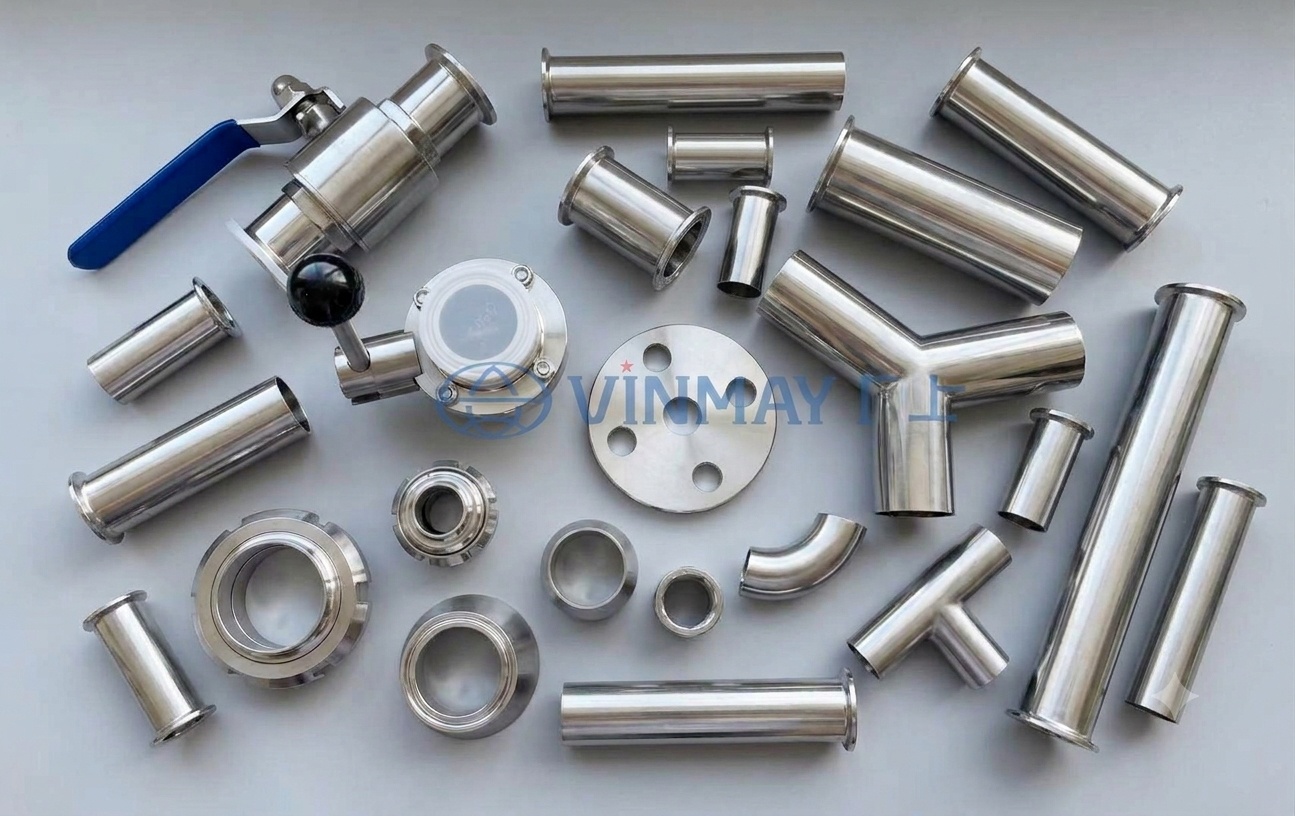
Modern dairy tubes are also compatible with a wide range of sanitary fittings, including clamp fittings, unions, elbows, tees, reducers, valves, and pumps. This compatibility allows manufacturers to build complete hygienic process piping systems that are easy to install, inspect, and maintain.
Food safety regulations have become increasingly stringent over the past decades, and dairy manufacturers are expected to maintain hygienic production environments while improving efficiency and reducing operating costs. Among all available piping materials, stainless steel has consistently proven to be the most reliable solution for dairy processing.
Milk and dairy products contain proteins, minerals, fats, and organic compounds that can interact with piping materials over time. In addition, dairy processing equipment is cleaned regularly using alkaline and acidic cleaning agents during CIP procedures. These conditions require a material that can resist both product-related corrosion and chemical exposure.
Stainless steel, particularly grades 304 and 316L, offers excellent corrosion resistance, helping maintain the integrity of the piping system even after years of continuous service. This durability reduces maintenance costs and minimizes the risk of contamination caused by material degradation.
One of the main reasons stainless steel is preferred is its ability to maintain a hygienic surface. A properly polished stainless steel tube has a smooth internal finish that reduces product adhesion and allows cleaning solutions to remove residues more effectively.
Efficient cleaning is essential in dairy production because even small amounts of remaining product can become a source of bacterial growth. By supporting effective CIP and SIP cleaning processes, stainless steel tubing helps manufacturers maintain high standards of food safety while reducing downtime between production batches.
Dairy processing systems often operate under varying temperatures and pressures. During pasteurization, sterilization, or hot water cleaning, tubing must withstand thermal expansion without compromising its structural integrity.
Compared with plastic piping materials, stainless steel offers significantly higher mechanical strength, allowing it to perform reliably under demanding operating conditions. It also resists impact damage, deformation, and fatigue during long-term use.
Although stainless steel tubes generally require a higher initial investment than some alternative materials, their durability often results in a lower total cost of ownership. High-quality dairy tubing can provide many years of reliable service with minimal maintenance when properly installed and maintained.
Its resistance to corrosion, wear, and cleaning chemicals reduces the frequency of replacement and minimizes unexpected production interruptions, making stainless steel a cost-effective choice for dairy processing facilities worldwide.
Stainless steel dairy tubes are manufactured to meet internationally recognized sanitary standards such as ASTM A270, EN 10357, DIN 11850, and AS 1528.1. These standards specify requirements for material quality, weld integrity, dimensional accuracy, surface finish, and testing methods.
By selecting tubing manufactured in accordance with these standards, dairy processors can build hygienic piping systems that support regulatory compliance, product quality, and long-term operational reliability.
Selecting the appropriate material grade is one of the most important decisions when specifying stainless steel dairy tubes. Although both 304 and 316L stainless steel are widely used in hygienic processing systems, their corrosion resistance, chemical compatibility, and long-term performance differ under certain operating conditions.
For most dairy applications, both grades provide excellent mechanical strength, hygienic performance, and weldability. However, understanding the differences helps engineers and buyers select the most cost-effective solution for their specific processing environment.
Grade 304 is the most commonly used stainless steel for dairy processing equipment worldwide. It contains approximately 18% chromium and 8% nickel, providing excellent corrosion resistance for general food processing applications.
Because of its balanced mechanical properties and competitive cost, 304 stainless steel is suitable for transporting milk, cream, yogurt, butter, and many other dairy products where exposure to highly corrosive substances is limited.
Typical advantages include:
Excellent corrosion resistance under normal dairy processing conditions
Good weldability and formability
Smooth polished surfaces suitable for hygienic applications
Lower material cost compared with 316L
Widely available in international markets
Grade 304 is commonly specified for:
Milk transfer pipelines
Pasteurization systems
Yogurt production lines
Storage tanks
CIP return lines
Food processing equipment
For many dairy plants, 304 stainless steel provides an excellent balance between performance and investment cost.
Grade 316L contains approximately 16–18% chromium, 10–14% nickel, and 2–3% molybdenum. The addition of molybdenum significantly improves resistance to chlorides and aggressive cleaning chemicals, while the low carbon content ("L") helps maintain corrosion resistance after welding.
Because dairy processing systems are frequently cleaned with alkaline and acidic detergents, 316L is often selected where cleaning cycles are more intensive or where long-term corrosion resistance is especially important.
Typical applications include:
High-purity dairy processing
Baby formula production
Cheese manufacturing
Pharmaceutical and dairy combination facilities
Systems using aggressive CIP chemicals
Export projects requiring premium specifications
Although the material cost is higher than 304 stainless steel, the improved corrosion resistance often reduces maintenance requirements over the lifetime of the system.
The following comparison provides a general overview of the two materials.
| Property | 304 Stainless Steel | 316L Stainless Steel |
| Corrosion Resistance | Excellent | Superior |
| Chloride Resistance | Good | Excellent |
| Resistance to Cleaning Chemicals | Good | Excellent |
| Weldability | Excellent | Excellent |
| Hygienic Performance | Excellent | Excellent |
| Cost | Lower | Higher |
| Typical Dairy Applications | General Processing | High-Purity & Corrosive Environments |
In practice, the choice between 304 and 316L depends on several factors, including product type, cleaning procedures, operating environment, project specifications, and budget.
If the processing environment is relatively mild, 304 is usually sufficient. If the system is exposed to chlorides, stronger cleaning agents, or more demanding hygiene requirements, 316L is generally recommended.
There is no universal answer because every dairy processing project has different operating conditions.
Generally speaking:
Choose 304 stainless steel when:
Processing ordinary milk products
Operating under standard food processing conditions
Looking for a cost-effective solution
Corrosion risks are relatively low
Choose 316L stainless steel when:
Higher corrosion resistance is required
Cleaning chemicals are more aggressive
Export specifications require premium materials
Long-term durability is a priority
Hygienic standards are especially demanding
Consulting the project specification and applicable sanitary standards is always recommended before selecting the material grade.
Although stainless steel dairy tubes serve similar functions worldwide, their dimensions, tolerances, testing methods, and surface finish requirements are governed by different international standards.
Understanding these standards helps buyers specify products correctly and avoid compatibility issues during installation.
The four most commonly used standards are:
ASTM A270
EN 10357
DIN 11850
AS 1528.1
Each standard has its own regional focus and technical requirements.
ASTM A270 is one of the most widely recognized sanitary tubing standards in the global food, beverage, and pharmaceutical industries. Developed by ASTM International, it specifies seamless and welded austenitic stainless steel tubes intended for hygienic service.
The standard covers key requirements including:
Material grades
Dimensions
Mechanical properties
Weld quality
Surface finish
Heat treatment
Testing procedures
ASTM A270 tubing is commonly manufactured in grades such as 304, 304L, 316, and 316L. Depending on the application, tubes may be supplied with different internal surface finishes, ranging from standard mill finishes to mechanically polished or electropolished surfaces.
Because of its comprehensive technical requirements and global acceptance, ASTM A270 is widely specified for dairy processing plants, beverage production lines, breweries, pharmaceutical facilities, and other hygienic process systems.
EN 10357 is the principal European standard for welded stainless steel tubes used in food, chemical, pharmaceutical, and industrial applications.
Compared with ASTM A270, EN 10357 places strong emphasis on dimensional accuracy, manufacturing tolerances, and compatibility with European hygienic piping systems.
The standard includes several dimensional series, allowing users to select tubes that match various European sanitary fittings and installation practices.
EN 10357 tubing is commonly used in:
Dairy processing plants
Beverage production
Wine and brewery equipment
Food manufacturing
Chemical processing
Because many European projects specify EN standards, manufacturers exporting to Europe often produce tubing in accordance with EN 10357 requirements.
DIN 11850 originated in Germany and remains one of the best-known standards for hygienic stainless steel tubing.
Although many projects have gradually adopted EN 10357, DIN 11850 is still widely referenced because numerous sanitary fittings, valves, and process components continue to follow its dimensions.
DIN 11850 is particularly common in:
German dairy factories
Food processing equipment
Brewing systems
Pharmaceutical installations
For replacement projects or system expansions, maintaining compatibility with existing DIN components is often an important consideration.
AS 1528.1 is the sanitary tubing standard used primarily in Australia and New Zealand.
The standard specifies dimensions, tolerances, materials, and surface finish requirements suitable for hygienic processing industries including dairy, food, and beverage production.
Australian dairy projects frequently require tubing manufactured to AS 1528.1 because it ensures compatibility with locally specified sanitary fittings and process equipment.
For manufacturers supplying the Australian market, compliance with AS 1528.1 demonstrates the ability to meet regional engineering requirements while maintaining high hygienic standards.
There is no single "best" standard. The correct choice depends on the project location, customer specifications, and the sanitary fittings used throughout the system.
As a general guideline:
ASTM A270 is commonly specified in North America and many international food-processing projects.
EN 10357 is widely adopted across Europe and other regions following European engineering standards.
DIN 11850 remains common in existing German hygienic systems and replacement projects.
AS 1528.1 is the preferred standard for dairy and food processing installations in Australia and New Zealand.Before purchasing stainless steel dairy tubes, buyers should confirm the required standard to ensure compatibility with the complete hygienic piping system
Read more:
What Is ASTM Standards for Stainless Steel Tube?
The internal surface finish of a stainless steel dairy tube has a direct impact on hygiene, cleanability, and product safety. Even when the correct material grade is selected, a poorly finished surface can trap product residues, encourage bacterial growth, and reduce the effectiveness of Cleaning-In-Place (CIP) procedures.
For this reason, international sanitary tubing standards specify not only the material and dimensions of the tube but also the quality of the internal surface.
During dairy processing, milk, cream, yogurt, and other products continuously flow through stainless steel tubing. Small surface imperfections, scratches, or weld irregularities can create areas where product residues accumulate.
If these residues are not completely removed during cleaning, they may become a breeding ground for microorganisms, affecting product quality and food safety.
A smooth internal surface offers several important benefits:
Reduces product retention
Improves cleaning efficiency
Minimizes bacterial adhesion
Supports faster CIP cleaning cycles
Reduces maintenance requirements
Extends the service life of the piping system
For hygienic applications, surface quality is just as important as material selection.
Surface roughness is commonly measured using the Ra (Roughness Average) value, expressed in micrometers (μm). A lower Ra value indicates a smoother surface.
Typical surface finishes used in dairy processing include:
| Internal Surface Finish | Typical Ra Value | Typical Application |
| Mill Finish | ≤1.6 μm | General industrial service |
| Mechanical Polish | ≤0.8 μm | Standard dairy processing |
| Fine Mechanical Polish | ≤0.6 μm | Hygienic food processing |
| High-Polish Finish | ≤0.4 μm | High-purity dairy systems |
| Electropolished (EP) | ≤0.2 μm | Pharmaceutical and ultra-clean applications |
Most dairy processing systems specify mechanically polished tubing with an internal roughness of Ra ≤0.8 μm, while applications with more demanding hygienic requirements may require finer finishes.
Selecting the appropriate surface finish depends on the product being processed, the cleaning procedure, and the project's hygienic specification.
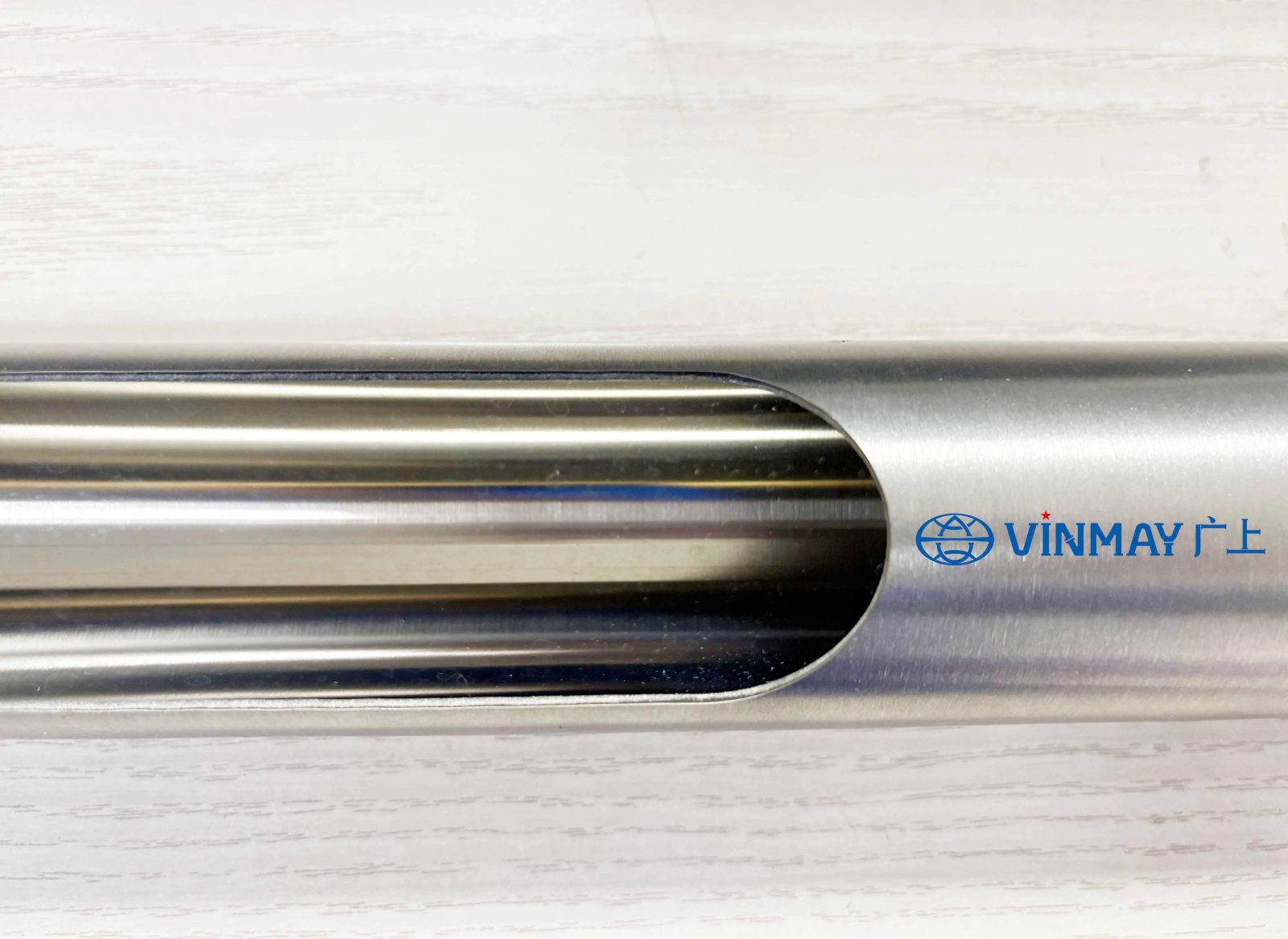
For welded stainless steel dairy tubes, the weld seam deserves special attention because it is one of the most critical areas affecting hygiene.
Modern tube manufacturing uses automatic TIG welding to produce a consistent weld. Depending on the product specification, the internal weld bead may be rolled, conditioned, or removed to create a smoother flow path.
Proper weld treatment provides several advantages:
Smoother product flow
Easier cleaning
Reduced turbulence
Lower risk of bacterial accumulation
Improved corrosion resistance around the weld area
High-quality welds should be uniform, continuous, and free from cracks, undercut, excessive reinforcement, or other visible defects.
As a manufacturer specializing in stainless steel welded tubes, Vinmay has supplied hygienic tubing solutions for food processing, dairy, beverage, and industrial applications to customers in more than 100 countries.
To ensure consistent product quality, every production stage is carried out under a controlled manufacturing process, from raw material verification to final inspection. By combining automated production equipment with strict quality management, Vinmay aims to provide stainless steel dairy tubes that meet the demanding requirements of hygienic processing systems.
Our production capabilities include stainless steel dairy tubes manufactured according to international standards such as ASTM A270, EN 10357, DIN 11850, and AS 1528.1, with multiple material grades and surface finishes available for different project requirements.
Producing hygienic stainless steel dairy tubes involves much more than simply welding a strip of stainless steel into a round tube. Every manufacturing stage affects the final product's dimensional accuracy, surface quality, corrosion resistance, and hygienic performance.
A modern production process typically includes the following steps.
The manufacturing process begins with high-quality stainless steel coils supplied by reputable steel mills.
Before production starts, the material grade, chemical composition, thickness, and surface condition are verified to ensure compliance with project specifications and international standards.
Using stable, high-quality raw materials helps ensure consistent forming, reliable welding performance, and long-term corrosion resistance.
The stainless steel strip passes through a series of precision forming rollers that gradually shape it into a cylindrical tube.
Accurate forming is essential because it directly influences:
Tube roundness
Outside diameter
Wall thickness consistency
Weld alignment
Modern roll-forming equipment minimizes dimensional variation and prepares the strip for high-quality welding.
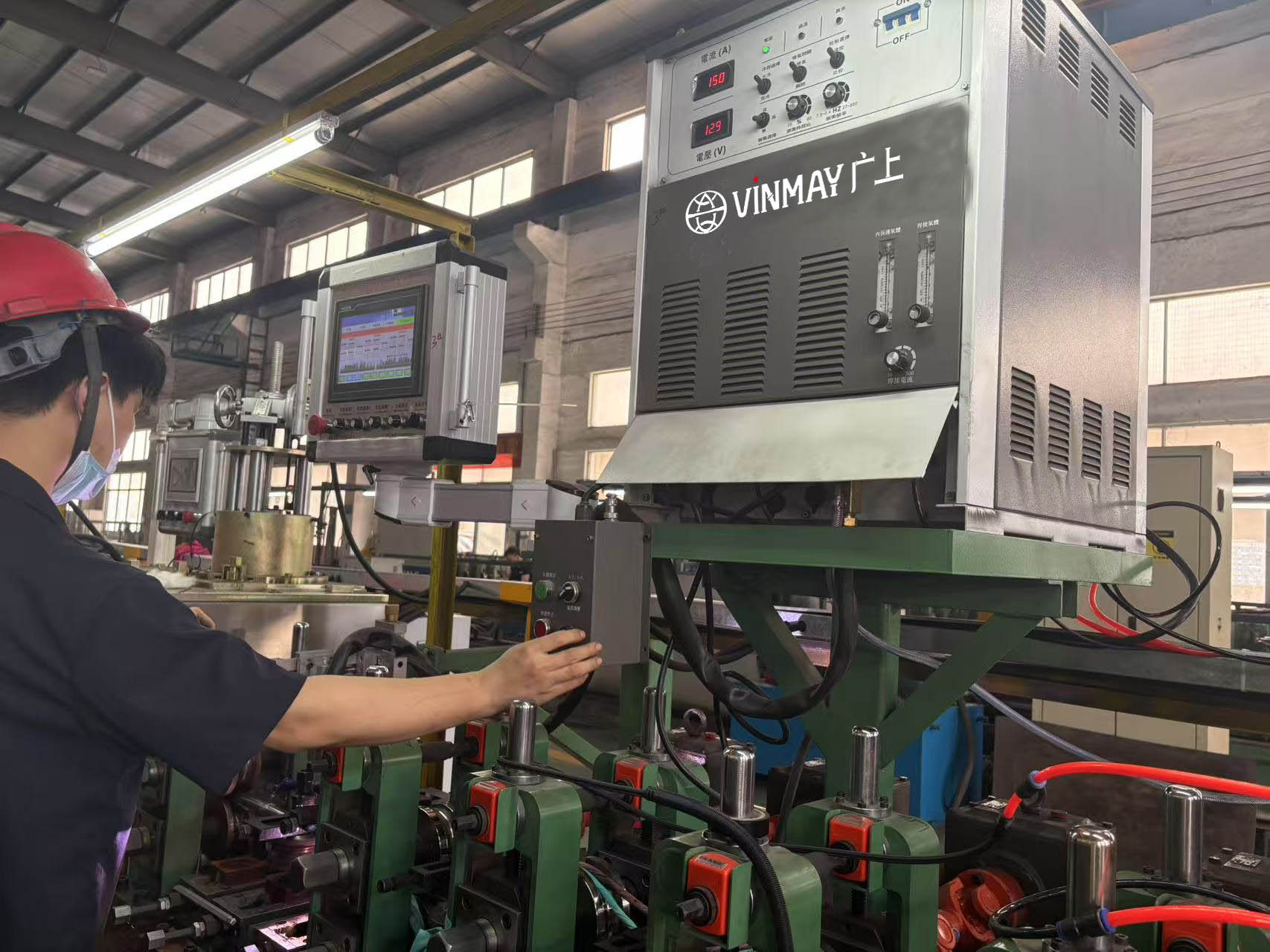
Once the tube edges are aligned, they are joined using automatic TIG (Tungsten Inert Gas) welding.
TIG welding is widely used for hygienic stainless steel tubing because it provides:
Stable weld quality
Excellent appearance
Minimal oxidation
Strong mechanical properties
Consistent weld penetration
Proper shielding gas control and welding parameter monitoring help produce uniform welds suitable for hygienic applications.
After welding, the internal weld bead may be processed according to customer requirements.
Depending on the intended application, manufacturers may perform:
Internal weld bead rolling
Weld bead conditioning
Internal bead removal
The objective is to create a smooth internal flow path that supports hygienic cleaning and minimizes product retention.
This manufacturing step is particularly important for dairy, beverage, and pharmaceutical tubing where internal surface quality directly affects cleaning efficiency.
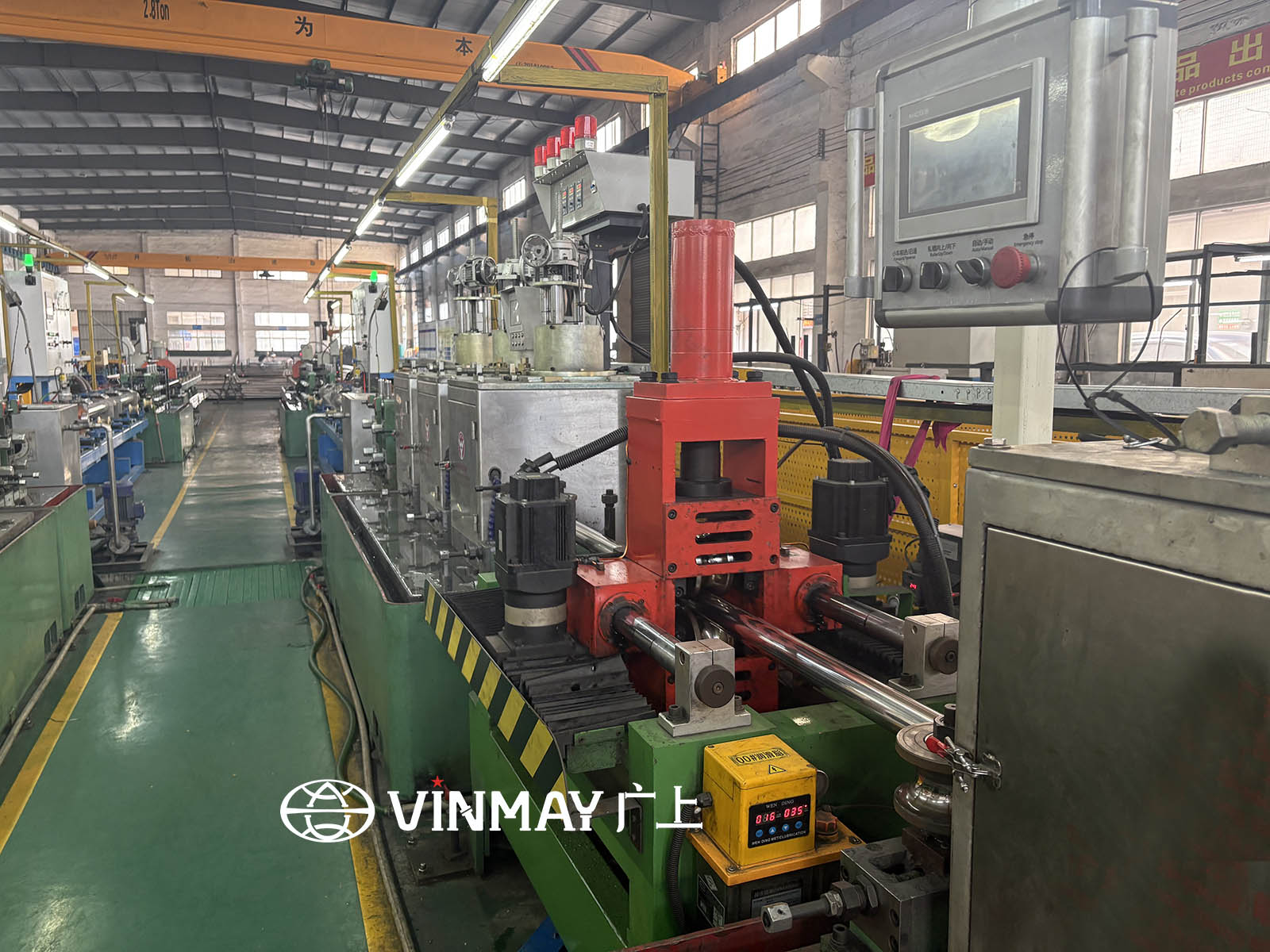
Bright annealing is one of the key processes in the production of hygienic stainless steel tubes.
During heat treatment, the tubes are heated under a controlled protective atmosphere to relieve internal stress while preserving a bright, oxide-free surface.
Bright annealing provides several important benefits:
Restores corrosion resistance
Improves ductility
Enhances formability
Produces a clean metallic appearance
Reduces surface oxidation
For high-quality sanitary tubing, bright annealing contributes to both mechanical performance and surface cleanliness.
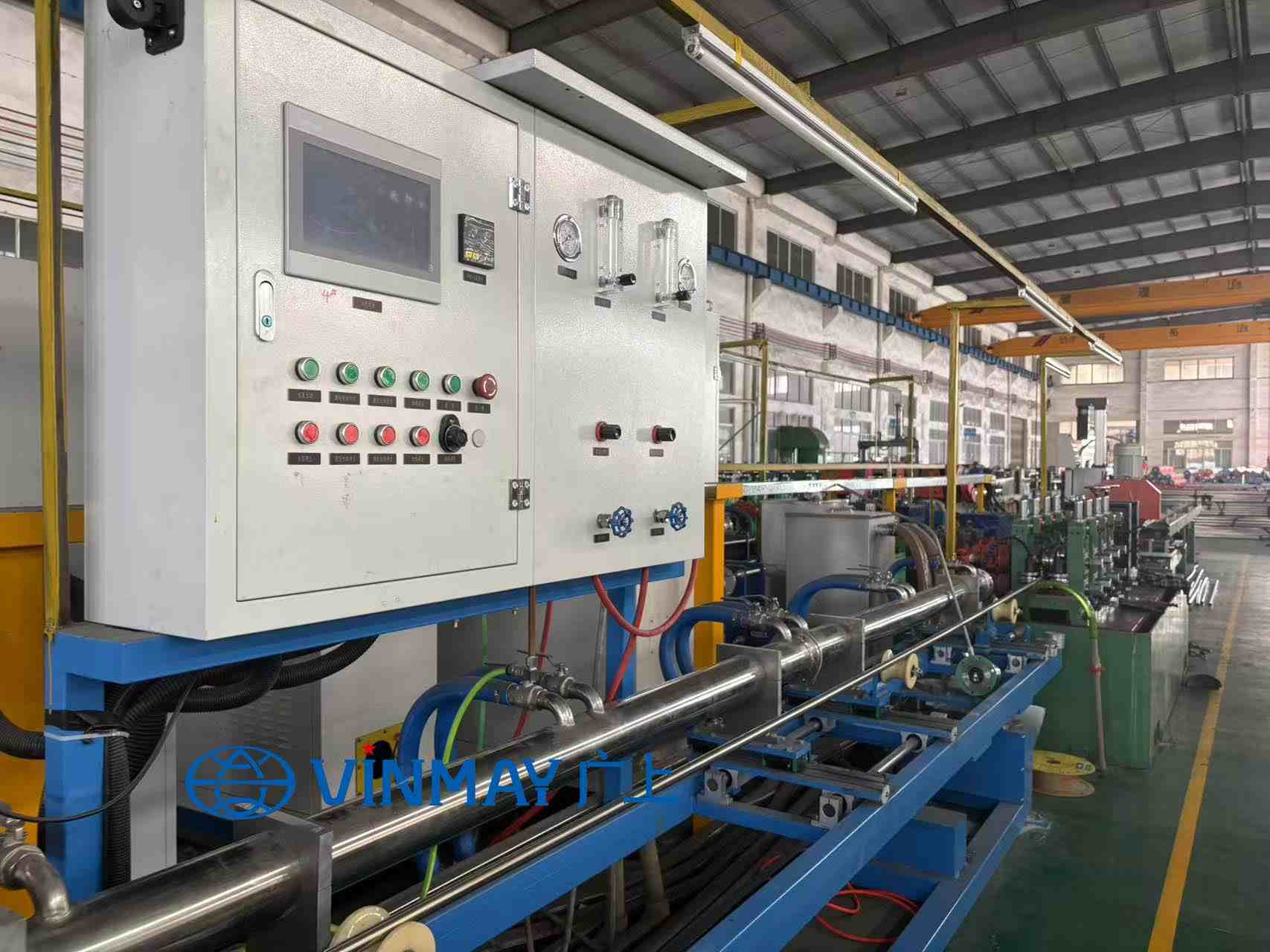
At Vinmay, bright annealing is performed under carefully controlled conditions to help maintain a clean, bright surface while restoring the corrosion resistance of stainless steel. Combined with precision welding and polishing processes, this contributes to the consistent quality required for hygienic dairy tubing. We ensure tube
Every production batch follows standardized operating procedures to help ensure stable dimensions, reliable weld integrity, and uniform surface finish across different tube sizes and specifications.
Depending on customer specifications, the tubes may undergo internal polishing, external polishing, or both.
Mechanical polishing reduces surface roughness and improves cleanability by removing microscopic irregularities.
The polishing process is carefully controlled to achieve the specified Ra value while maintaining dimensional accuracy.
Manufacturing high-quality dairy tubing requires a comprehensive inspection program. Quality control is not limited to the final inspection—it is integrated throughout the production process to ensure every tube meets the required standards.
Incoming raw materials are verified before production begins. Material identification helps confirm that the supplied stainless steel matches the specified grade and prevents material mix-ups.
Portable spectrometers are commonly used to analyze the chemical composition of stainless steel and verify elements such as chromium, nickel, and molybdenum.
Throughout production, technicians measure:
Outside diameter
Wall thickness
Straightness
Length
Ovality
Maintaining tight dimensional tolerances ensures compatibility with sanitary fittings and simplifies installation.
Eddy current testing is a non-destructive inspection method used to detect surface and near-surface defects without damaging the tube.
This inspection helps identify potential imperfections that may not be visible during ordinary visual examination.
It provides additional confidence in weld integrity and overall product quality.
Pressure testing verifies the structural integrity of the tube by checking for leakage or weaknesses.
Depending on customer requirements and applicable standards, tubes may undergo:
Hydrostatic pressure testing
Pneumatic (air) pressure testing
These tests help confirm that the tube can withstand its intended operating conditions.
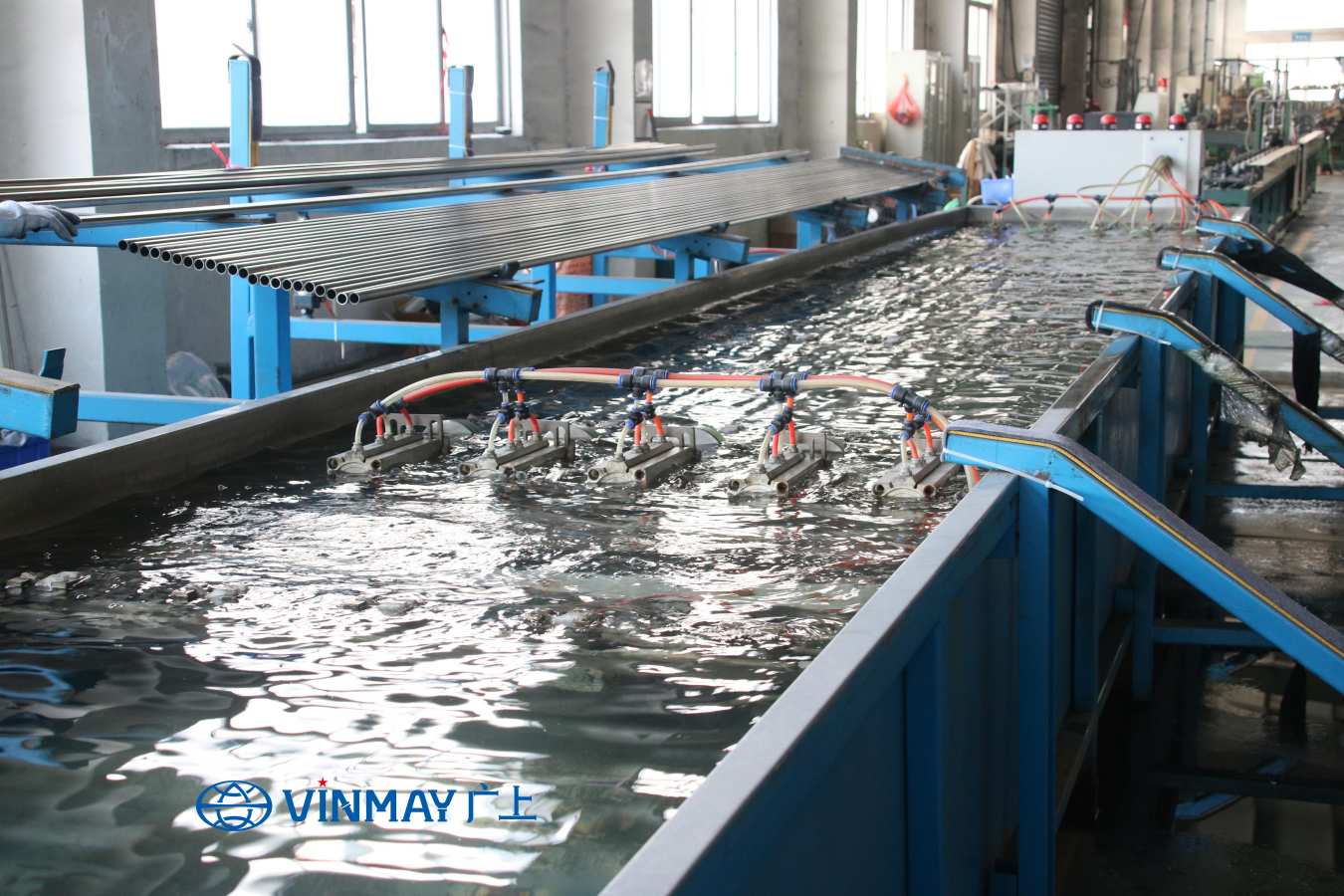
For hygienic tubing, internal surface roughness is measured using specialized roughness testing equipment.
The measured Ra value confirms whether the finished tube complies with the required hygienic specification.
This inspection is particularly important for dairy and pharmaceutical applications where surface quality directly influences cleanability.

Before shipment, every batch is visually inspected to verify surface appearance, weld quality, cleanliness, markings, and packaging condition.
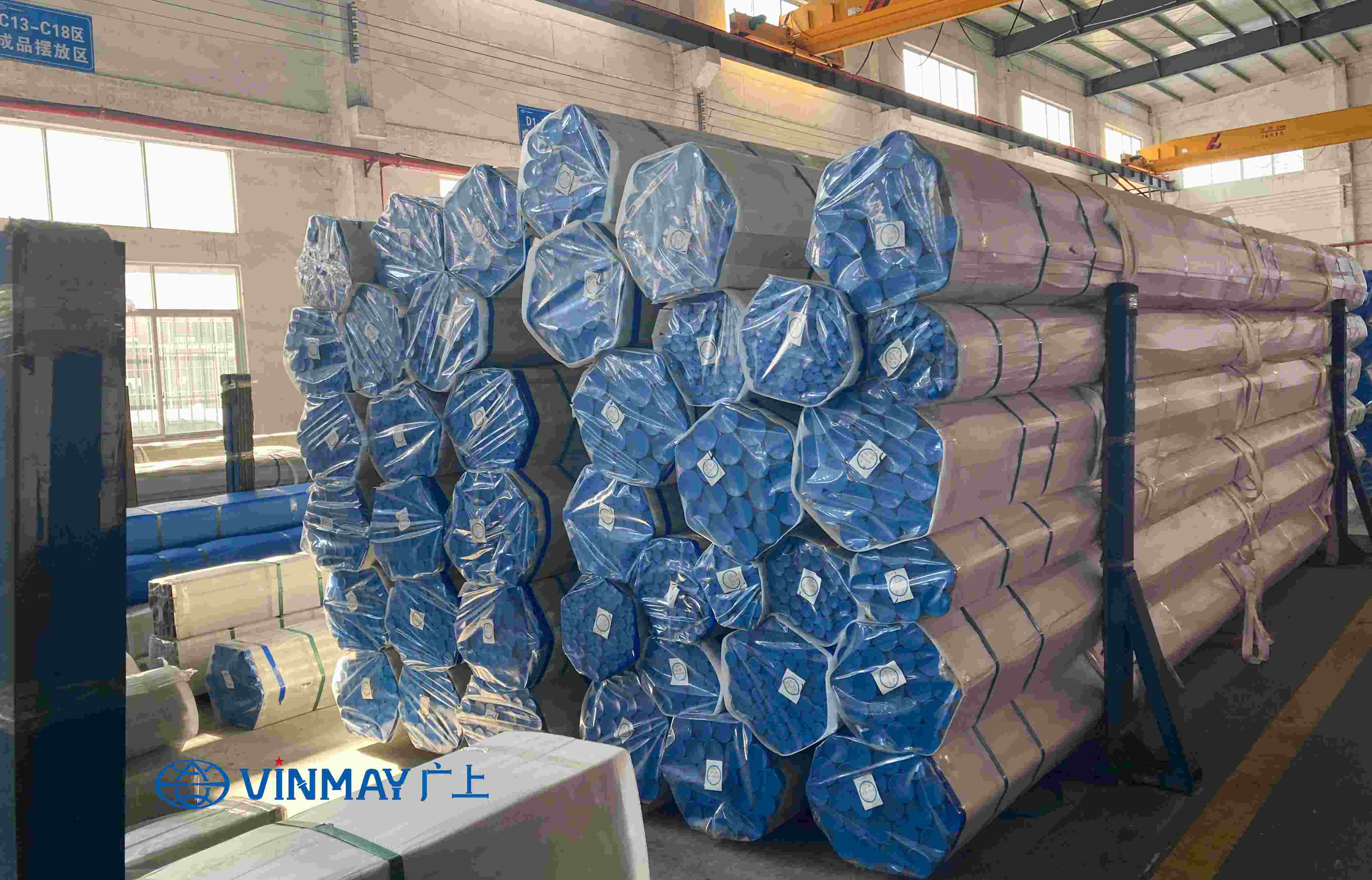
To protect the polished surface during transportation, tubes are cleaned and packaged using suitable protective materials, helping ensure they arrive at the customer in excellent condition and ready for installation.
Quality control is integrated throughout the manufacturing process rather than being limited to the final inspection stage.
At Vinmay, inspection procedures may include:
Raw material verification using a handheld spectrometer
Outside diameter and wall thickness inspection
Internal and external surface inspection
Eddy current testing
Hydrostatic or pneumatic pressure testing
Surface roughness measurement
Mechanical property testing when required
Final visual inspection before packaging
Inspection records and material certificates can be provided according to project specifications, helping customers maintain product traceability and quality documentation.
Stainless steel dairy tubes are used throughout the entire dairy production process. Their hygienic design, corrosion resistance, and compatibility with sanitary fittings make them suitable for transporting both raw materials and finished products while maintaining product quality.
The first stage of dairy processing begins with collecting and transferring raw milk from storage tanks to the production line. Stainless steel dairy tubes provide a clean and reliable flow path, helping prevent contamination before processing begins.
Pasteurization exposes milk to elevated temperatures to eliminate harmful microorganisms. Stainless steel tubing maintains its mechanical strength under repeated heating and cooling cycles, making it ideal for these demanding operating conditions.
Yogurt production requires hygienic transport of milk, cultures, and fermented products. Smooth internal tube surfaces reduce product adhesion and support effective Cleaning-in-Place (CIP) procedures between production batches.
Cheese manufacturing often involves frequent product changes and intensive cleaning. Stainless steel dairy tubes help maintain hygienic conditions throughout milk transfer, curd processing, and whey handling while resisting corrosion caused by cleaning chemicals.
Butter and cream contain higher fat content than milk, making proper cleaning especially important. Polished stainless steel tubing minimizes residue build-up and helps improve cleaning efficiency.
Ice cream processing combines dairy ingredients with sugars, flavorings, and stabilizers under varying temperatures. Stainless steel dairy tubes provide reliable performance throughout mixing, pasteurization, homogenization, and filling operations.
Cleaning-in-Place (CIP) systems circulate cleaning solutions throughout the processing line without dismantling the equipment. Hygienic tubing with smooth internal surfaces improves cleaning effectiveness and helps reduce production downtime.
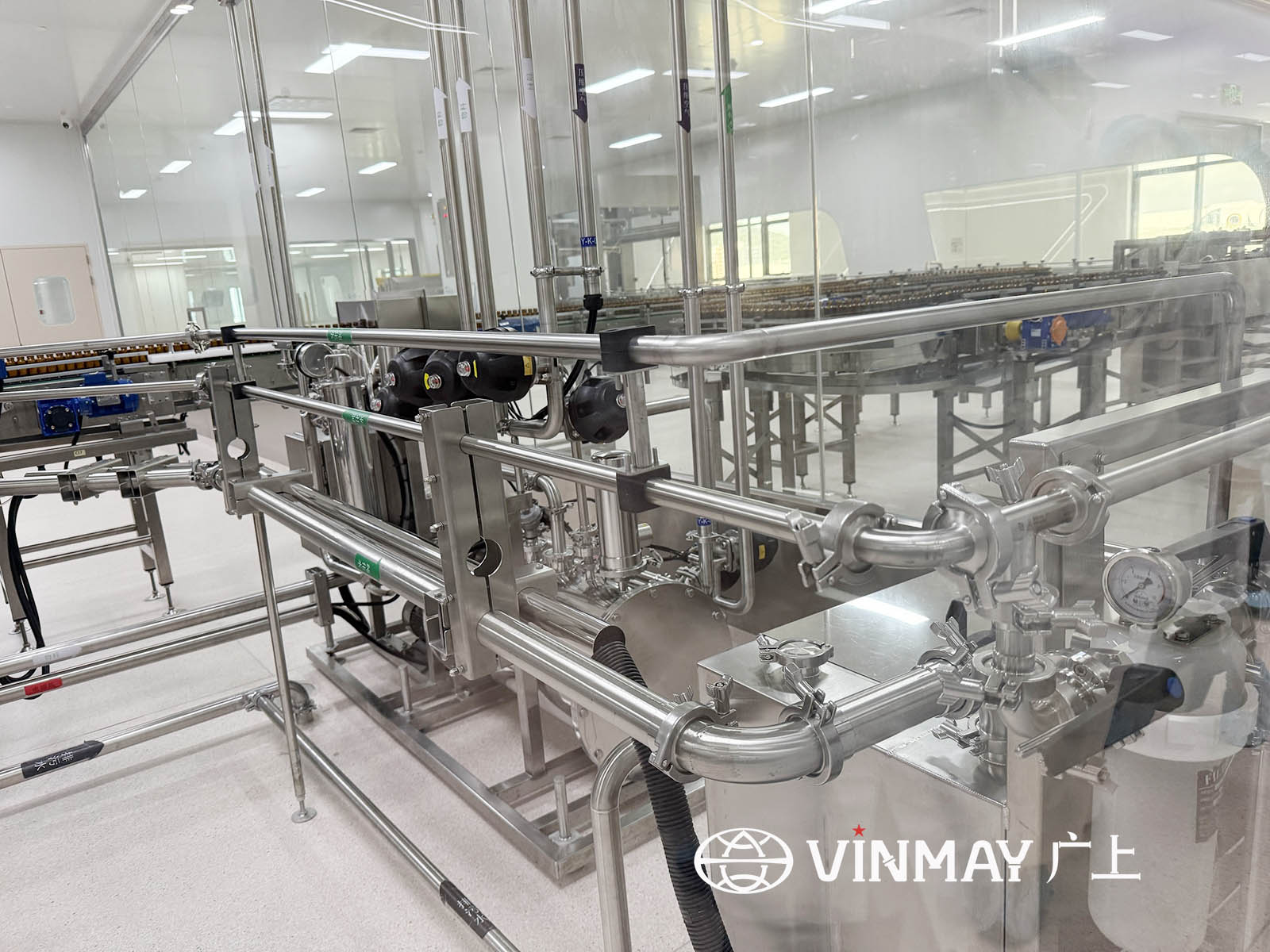
Although designed for dairy applications, hygienic stainless steel tubes are also widely used in breweries, beverage plants, juice production, liquid food processing, and other sanitary process systems.
Read More:
Ultimate Guide to Stainless Steel Pipe Applications
Selecting the correct tube specification is important, but choosing a reliable manufacturer is equally critical. Consistent product quality, technical support, and stable delivery all contribute to the long-term success of a processing project.
When evaluating a supplier, consider the following factors.
A manufacturer with extensive experience in hygienic stainless steel tubing is more likely to understand international standards, production tolerances, and the specific requirements of dairy processing systems.
Confirm that the supplier can manufacture tubing in accordance with the standards required for your project, such as ASTM A270, EN 10357, DIN 11850, or AS 1528.1.
Request supporting documentation where applicable, including material certificates, inspection reports, and surface roughness records.
A reliable supplier should implement quality inspections throughout the production process rather than relying solely on final inspection.
Typical quality control procedures include:
Material identification
Dimensional inspection
Weld inspection
Surface roughness measurement
Eddy current testing
Hydrostatic or pneumatic testing
Final visual inspection
A documented quality management system helps ensure product consistency from batch to batch.
Large projects often require stable production capacity and reliable delivery schedules. Before placing an order, confirm the manufacturer's ability to meet your required quantities and delivery timeline.
Consistent production planning helps minimize delays and supports efficient project execution.
Experienced suppliers can provide valuable assistance with material selection, tube dimensions, applicable standards, and compatibility with sanitary fittings.
Early technical communication often reduces installation issues and helps optimize the overall piping system.
Every dairy processing project has different technical requirements. Tube dimensions, material grades, surface finish, inspection methods, and applicable standards may vary depending on the country, equipment manufacturer, and processing environment.
With experience serving customers across Europe, Australia, South America, Southeast Asia, and other international markets, Vinmay works with distributors, contractors, equipment manufacturers, and end users to supply stainless steel dairy tubing for a wide range of hygienic applications.
Technical support is available to assist customers in selecting suitable material grades, international standards, and surface finishes based on project requirements.
A dairy tube is generally a type of sanitary tube specifically used in milk and dairy processing. In practice, both terms are often used interchangeably because they share similar hygienic design requirements.
Yes. High-quality welded stainless steel tubing manufactured according to sanitary standards is widely used throughout the global dairy industry. Proper welding procedures, weld treatment, and quality inspection ensure reliable hygienic performance.
Both materials are suitable for dairy applications.
304 is commonly used for general milk processing, while 316L is preferred where higher corrosion resistance or more aggressive cleaning chemicals are involved.
A smoother internal surface reduces product retention, improves cleaning efficiency, and minimizes the risk of bacterial growth. This is why hygienic tubing is typically manufactured with specified Ra values.
The most widely used standards include:
ASTM A270
EN 10357
DIN 11850
AS 1528.1
The appropriate standard depends on the project location and engineering specification.
Many hygienic stainless steel tubes are suitable for both dairy and pharmaceutical applications when manufactured to the required standards and surface finish specifications. Pharmaceutical systems may require tighter surface finish requirements or electropolished tubing.
Most dairy processing systems use Cleaning-in-Place (CIP), where cleaning solutions circulate through the tubing without dismantling the system. Smooth internal surfaces help improve cleaning effectiveness and reduce cleaning time.
Service life depends on operating conditions, cleaning procedures, and maintenance practices. Properly manufactured and maintained stainless steel tubing can provide many years of reliable service in hygienic processing environments.
Yes. Manufacturers commonly supply tubes in different diameters, wall thicknesses, lengths, surface finishes, and material grades to meet specific project requirements.
Before purchasing stainless steel dairy tubes, buyers should confirm:
Material grade
Applicable standard
Tube dimensions
Surface finish
Inspection requirements
Material certificates
Delivery schedule
Careful specification at the beginning of the project helps avoid compatibility issues later.
Stainless steel dairy tubes are far more than simple piping components—they are a key part of every hygienic dairy processing system. From milk collection and pasteurization to yogurt production, cheese manufacturing, and CIP cleaning, the quality of the tubing directly affects food safety, operational efficiency, and long-term reliability.
When selecting dairy tubing, buyers should consider material grade, international standards, surface finish, manufacturing quality, and inspection procedures as a complete package rather than focusing on price alone. A well-manufactured hygienic tube not only supports regulatory compliance but also reduces maintenance costs and improves the overall performance of the processing system.
By understanding the differences between materials, standards, and manufacturing processes, engineers, equipment manufacturers, and purchasing teams can make informed decisions and select tubing that delivers reliable performance throughout the lifecycle of the project.
Whether you are designing a new dairy processing facility or sourcing hygienic tubing for equipment manufacturing, selecting a reliable supplier is just as important as selecting the correct specification.
With years of manufacturing experience in stainless steel welded tubes, Vinmay is committed to delivering hygienic tubing that combines reliable quality, consistent production, and responsive technical support. By focusing on international standards, strict quality control, and long-term customer partnerships, we strive to help customers build safe, efficient, and dependable hygienic processing systems. Contact us to get a quote.




[…] distinction becomes particularly important in the food and beverage, dairy, pharmaceutical, biotechnology, chemical processing, and water treatment […]
[…] water and laboratory gas lines. In hygienic processing lines, tight dimensional tolerances and high-quality welds also help maintain cleanability and installation compatibility. Food and beverage facilities also […]