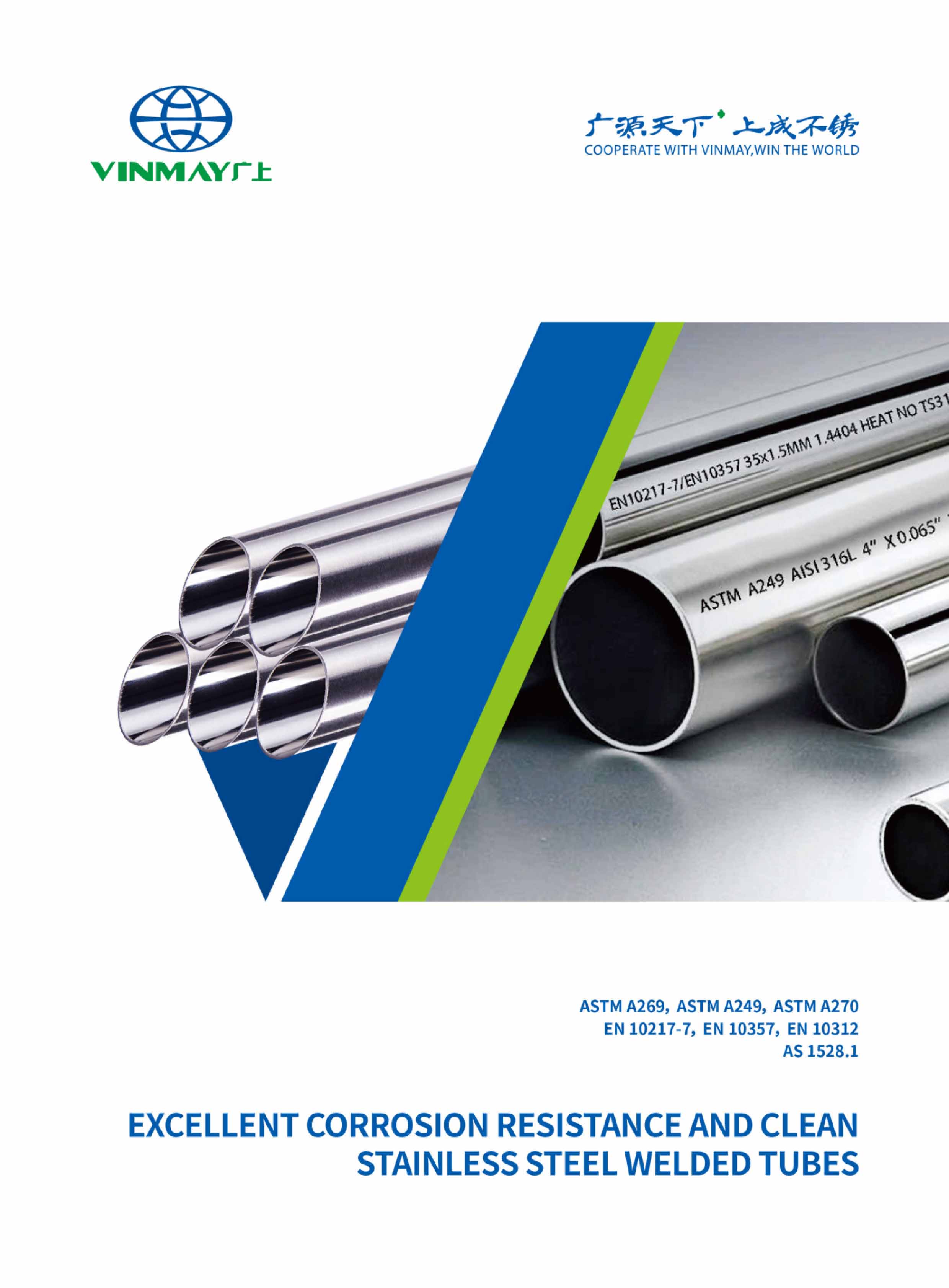
The EN10312 Tube standard is one of the most important European standards for stainless steel welded tubes used in water supply, industrial piping, and hygienic applications. With excellent corrosion resistance, long service life, and hygienic performance, EN10312 tubes are becoming increasingly popular in residential, commercial, and industrial projects worldwide.
Compared with traditional galvanized steel pipes or plastic pipes, the EN10312 Tube offers better durability, higher temperature resistance, and lower maintenance costs. These advantages make stainless steel water tubes an ideal solution for modern piping systems.
In this article, we will explain everything about the EN10312 Tube, including its standard specifications, material grades, dimensions, testing requirements, advantages, and applications.
BS EN 10312 specifies the requirements for:
These requirements ensure that every EN10312 Tube meets high-quality standards for industrial and water supply applications.
The most common materials used for EN10312 Tube production include:
| Grade | C (%) | Si (%) | Mn (%) | P (%) | S (%) | Cr (%) | Ni (%) | Mo (%) | N (%) |
|---|---|---|---|---|---|---|---|---|---|
| 304 | ≤0.08 | ≤1.00 | ≤2.00 | ≤0.045 | ≤0.015 | 18.0–20.0 | 8.0–10.5 | — | ≤0.10 |
| 304L | ≤0.03 | ≤1.00 | ≤2.00 | ≤0.045 | ≤0.015 | 18.0–20.0 | 8.0–12.0 | — | ≤0.10 |
| 316 | ≤0.08 | ≤1.00 | ≤2.00 | ≤0.045 | ≤0.015 | 16.0–18.0 | 10.0–14.0 | 2.0–3.0 | ≤0.10 |
| 316L | ≤0.03 | ≤1.00 | ≤2.00 | ≤0.045 | ≤0.015 | 16.0–18.0 | 10.0–14.0 | 2.0–3.0 | ≤0.10 |
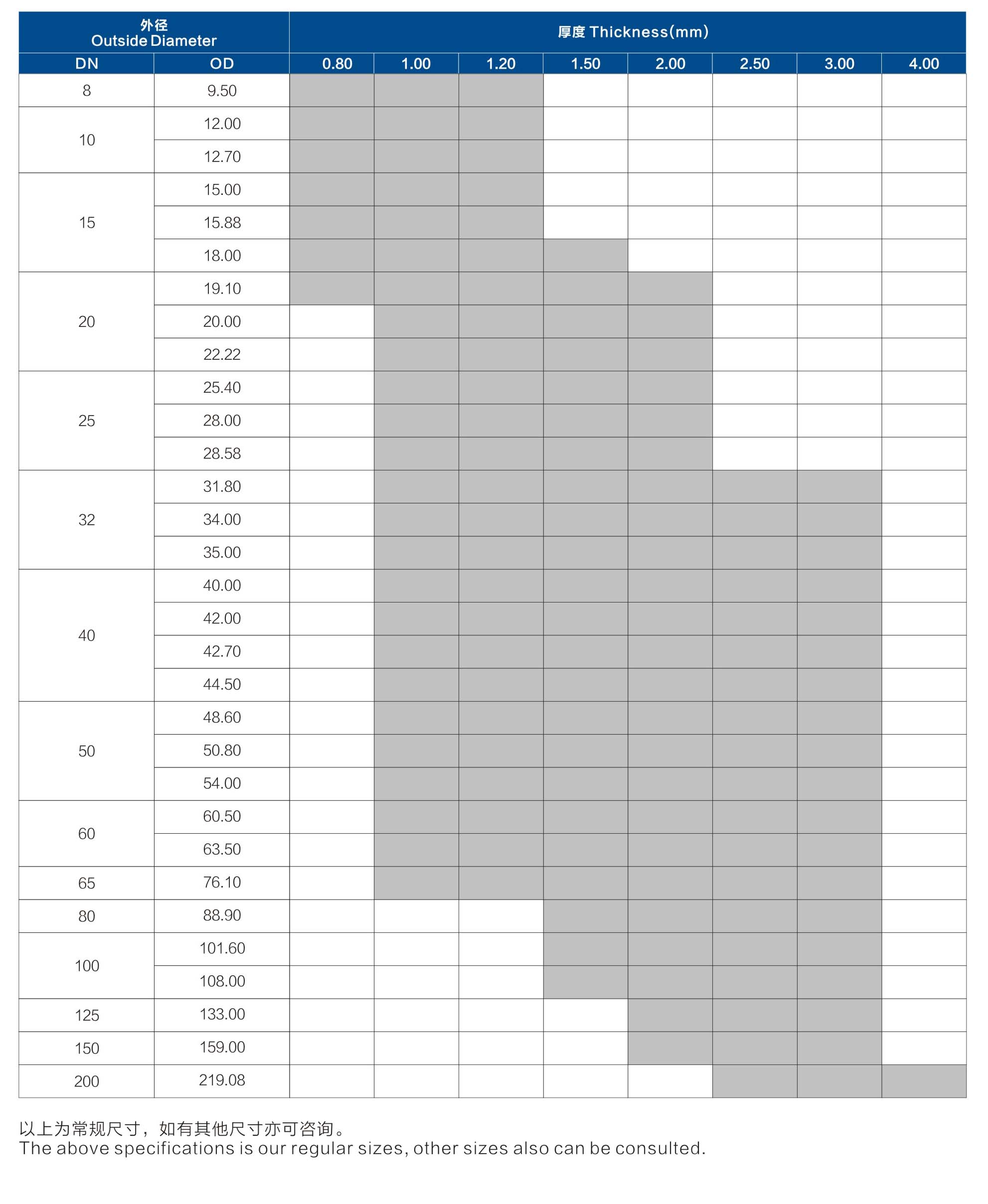
| Outside Diameter (mm) | Maximum OD (mm) | Minimum OD (mm) | Nominal Thickness (mm) |
|---|---|---|---|
| 6 | 6.04 | 5.94 | 0.6 |
| 8 | 8.04 | 7.94 | 0.6 |
| 10 | 10.04 | 9.94 | 0.6 |
| 12 | 12.04 | 11.94 | 0.6 |
| 15 | 15.04 | 14.94 | 0.6 |
| 18 | 18.04 | 17.94 | 0.7 |
| 22 | 22.05 | 21.95 | 0.7 |
| 28 | 28.05 | 27.95 | 0.8 |
| 35 | 35.07 | 34.97 | 1.0 |
| 42 | 42.07 | 41.97 | 1.1 |
| 54 | 54.07 | 53.84 | 1.2 |
| 76.1 | 76.30 | 75.54 | 1.5 |
| 108 | 108.3 | 107.2 | 1.5 |
| 159 | 159.5 | 157.9 | 2.0 |
| Outside Diameter (mm) | OD Tolerance (mm) | Wall Thickness (mm) | Thickness Tolerance (mm) |
|---|---|---|---|
| 12.0 | ±0.10 | 1.0 | ±0.10 |
| 15.0 | ±0.10 | 1.0 | ±0.10 |
| 18.0 | ±0.10 | 1.0 | ±0.10 |
| 22.0 | ±0.11 | 1.2 | ±0.10 |
| 28.0 | ±0.14 | 1.2 | ±0.10 |
| 35.0 | ±0.18 | 1.5 | ±0.10 |
| 42.0 | ±0.21 | 1.5 | ±0.10 |
| 54.0 | ±0.27 | 1.5 | ±0.10 |
| 64.0 | ±0.32 | 2.0 | ±0.15 |
| 76.1 | ±0.38 | 2.0 | ±0.15 |
| 88.9 | ±0.44 | 2.0 | ±0.15 |
| 108.0 | ±0.54 | 2.0 | ±0.15 |
| 133.0 | ±1.00 | 3.0 | ±0.30 |
| 159.0 | ±1.00 | 3.0 | ±0.30 |
| 219.0 | ±1.50 | 3.0 | ±0.30 |
| 267.0 | ±1.50 | 3.0 | ±0.30 |
The production of an EN10312 Tube involves several important processes.
High-quality stainless steel coils are selected from reliable suppliers.
The stainless steel strip is formed into a round tube shape.
Automatic TIG welding ensures a strong and smooth weld seam.
The weld area is processed for improved corrosion resistance.
Heat treatment improves the mechanical properties and surface finish.
The tube dimensions are adjusted according to EN10312 requirements.
Polishing or pickling improves appearance and cleanliness.
All finished tubes undergo strict quality inspection.
Inspection and testing are critical parts of the EN10312 Tube manufacturing process. These tests ensure that the stainless steel welded tube meets the requirements for dimensional accuracy, mechanical strength, corrosion resistance, and pressure performance.
For water supply and industrial piping systems, reliable inspection procedures help guarantee safety, long service life, and stable performance. Every professional EN10312 Tube manufacturer should carry out strict quality inspections before shipment.
Dimensional inspection is used to verify whether the EN10312 Tube meets the specified size and tolerance requirements of the EN10312 standard.
Accurate dimensions ensure:
If the dimensions exceed tolerance limits, the tube may cause leakage, installation problems, or pressure instability in the piping system.
The intergranular corrosion test checks whether the stainless steel material maintains good corrosion resistance after welding and heat treatment.
During welding, improper heat treatment may cause chromium carbide precipitation at the grain boundaries, which reduces corrosion resistance.
This test helps ensure:
It is especially important for:
PMI testing is used to confirm that the raw material and finished EN10312 Tube are made from the correct stainless steel grade.
PMI testing prevents material mix-ups and ensures the tube has the correct corrosion resistance and mechanical properties.
For example:
PMI testing is especially important for:
The tensile test measures the mechanical strength and ductility of the EN10312 Tube.
This test verifies whether the tube can withstand:
A qualified tensile test ensures:
It is very important for industrial pipelines and high-pressure systems.
The eddy current test is a non-destructive testing method used to detect surface and weld defects in the EN10312 Tube.
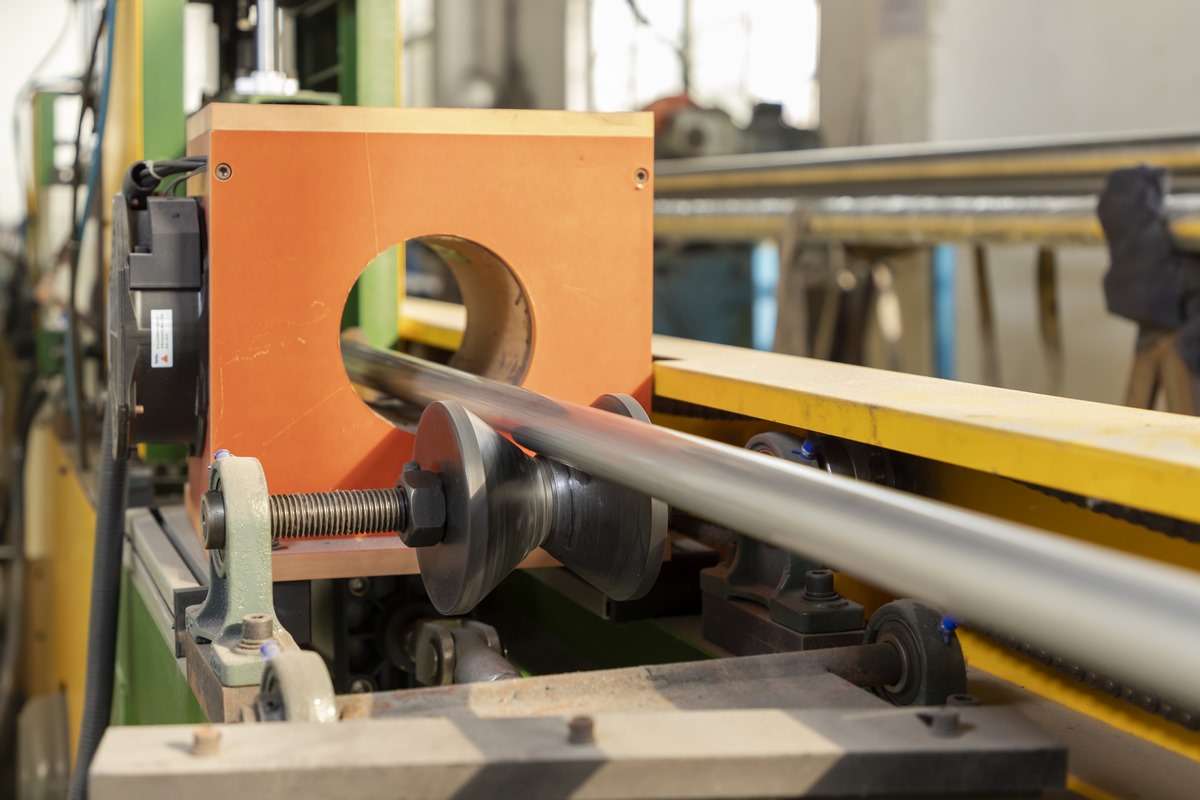
This test ensures:
Since the test does not damage the tube, it is suitable for 100% online inspection during production.
Eddy current testing is one of the most important quality control procedures for welded stainless steel tubes.
The hydrostatic test checks the pressure resistance and leak-proof performance of the EN10312 Tube.
The tube is filled with water and subjected to high internal pressure for a specified period.
This test verifies:
Hydrostatic testing ensures the tube can safely transport:
It is essential for water supply systems and pressure piping applications.
The flattening test evaluates the ductility and weld quality of the EN10312 Tube.
The tube is compressed until a specified flattening distance is reached.
This test helps identify:
A successful flattening test indicates:
The flaring test measures the tube’s ability to expand without cracking.
This test verifies:
It is important for tubes used in:

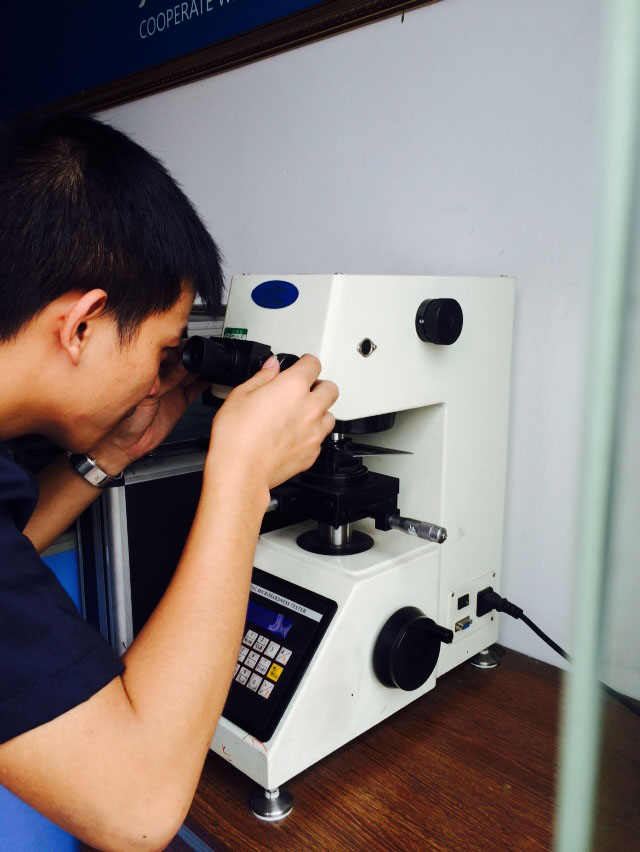
The hardness test measures the material hardness of the EN10312 Tube.
Hardness directly affects:
Excessive hardness may reduce ductility, while insufficient hardness may weaken pressure resistance.
Surface inspection checks the appearance quality of the EN10312 Tube.
Good surface quality ensures:
This is especially important for:
The smooth inner surface of stainless steel prevents:
This makes the EN10312 Tube suitable for drinking water systems.
Although the initial cost may be higher than plastic pipes, the EN10312 Tube offers:
This reduces total lifecycle costs.
The EN10312 Tube can withstand:
Its excellent mechanical properties ensure stable long-term performance.
Stainless steel is 100% recyclable and supports sustainable development.
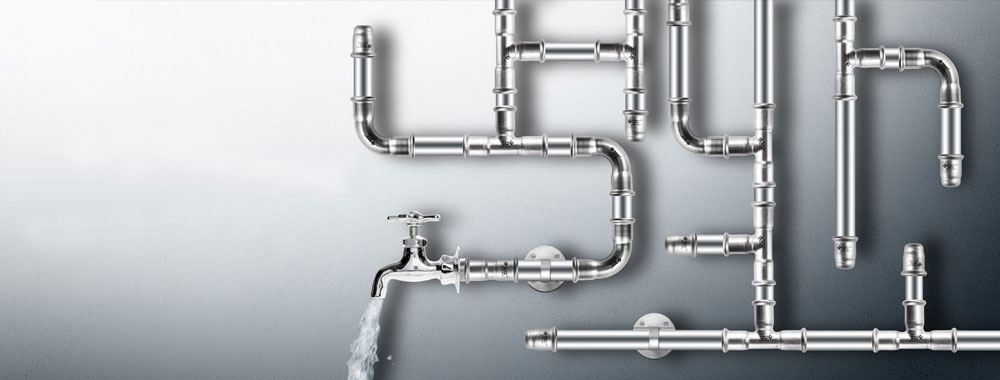
The EN10312 Tube is widely used in many industries.
| Standard | Main Application |
|---|---|
| EN10312 | Water & industrial piping |
| EN10357 | Hygienic & food-grade systems |
Both standards focus on corrosion resistance and hygienic performance.
A reliable manufacturer can ensure:
Professional manufacturers also provide customized sizes, surface finishes, and OEM services for global projects.
The EN10312 Tube is an excellent solution for modern water supply and industrial piping systems. With superior corrosion resistance, hygienic performance, long lifespan, and high mechanical strength, stainless steel EN10312 tubes are becoming increasingly popular worldwide.
Whether for drinking water systems, food processing, industrial transportation, or architectural projects, choosing a high-quality EN10312 Tube can improve reliability, reduce maintenance costs, and ensure long-term performance.
When selecting an EN10312 tube supplier, it is important to choose a professional manufacturer with strong quality control, advanced production technology, and international certifications.