Stainless Steel Handrail Bracket: Complete Guide, Types, Installation, and Buying Tips
A stainless steel handrail bracket is a critical component used to support and secure handrails in stair and balcony railing systems. It connects the handrail to walls or posts, providing stability and safety for anyone using staircases or walkways.
Thanks to its durability, corrosion resistance, and modern appearance, this bracket is widely used in residential, commercial, and public buildings. Choosing the right handrail support bracket ensures a railing system that is safe, durable, and visually appealing for years to come.
This guide will cover everything you need to know: types, materials, finishes, installation, applications, and maintenance. Whether you are an architect, contractor, or DIY enthusiast, this resource will help you select the best stainless steel handrail bracket for your project.
A handrail support bracket is a fitting designed to attach a handrail to a wall or structural surface. Its main purpose is to provide support and stability, ensuring the railing system is secure.
These brackets can be installed in many environments, including:
With proper installation, a stainless steel railing bracket is a long-term solution for secure and attractive handrails.
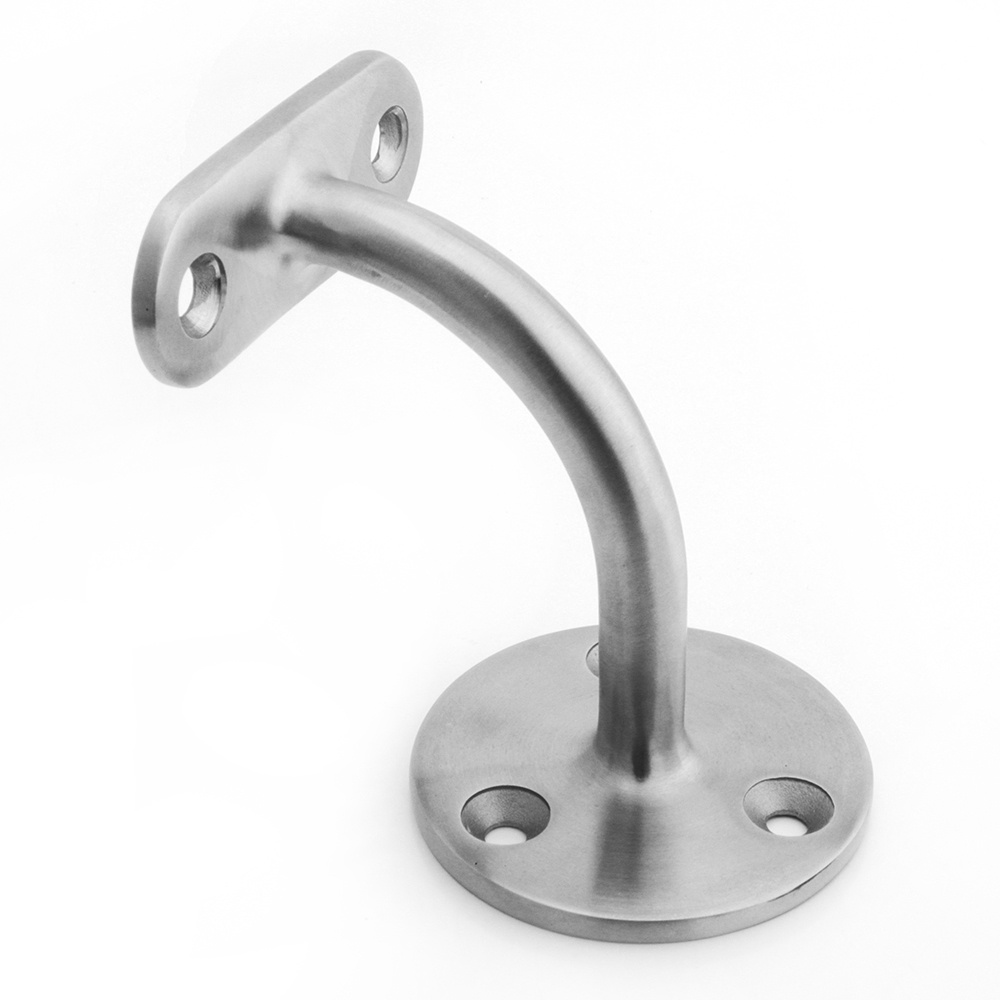
This is the base of the bracket that attaches directly to the wall or post. Pre-drilled holes allow for easy installation using screws or anchors.
The arm extends from the mounting plate to the handrail, carrying the load applied to the railing.
This is the top portion where the handrail rests. Many designs have a curved saddle to accommodate round handrails.
Screws, bolts, or anchors secure both the bracket and handrail in place, ensuring stability.
Some brackets include decorative elements, polished finishes, or custom shapes for aesthetic appeal.
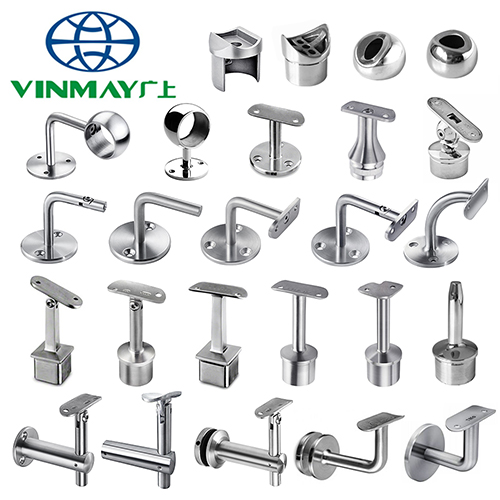
Different designs of handrail support brackets cater to specific installation needs and architectural styles.
The most common type, attaching directly to a wall to support stair or balcony handrails. Ideal for residential and commercial spaces.
Allow the angle of the support arm to be modified. Useful for stairs with varying slopes or uneven surfaces.
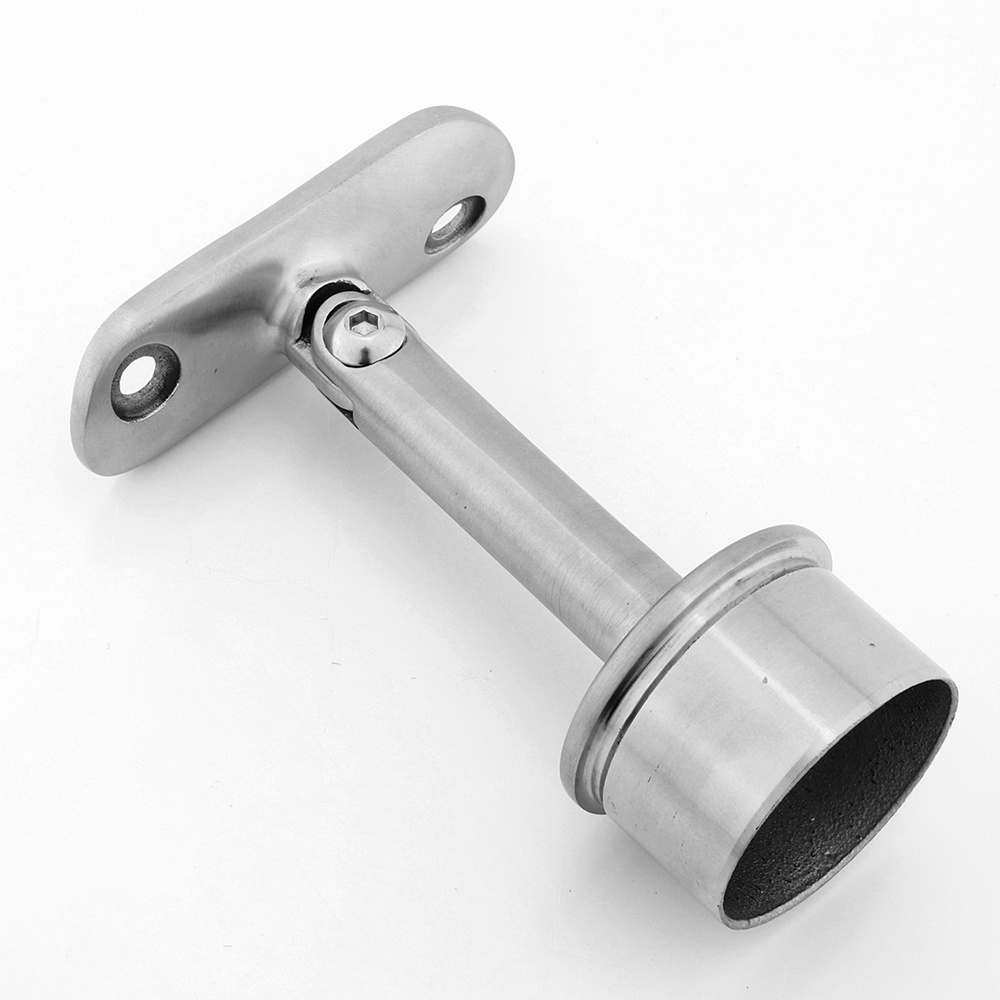
Designed for high-traffic areas such as malls, airports, or office buildings. These brackets have a higher load capacity and enhanced durability.
Used in modern glass railing systems to support the top handrail above glass panels. Combines safety with a sleek, open aesthetic.
Brackets with artistic designs, finishes, or unique shapes. Often used in hotels, luxury homes, or projects where design is as important as function.
For installations requiring handrails to be supported on one end by a wall and the other by a post. These are common in staircases or long corridors.
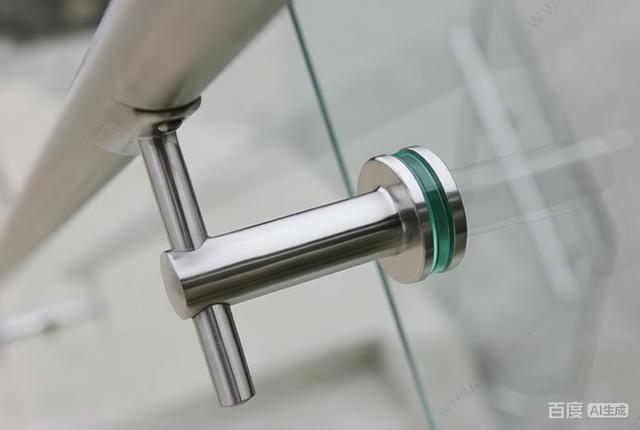
Stainless steel forms a protective layer preventing rust, making handrail support brackets suitable for outdoor use or humid environments.
These brackets provide excellent mechanical support, able to withstand heavy loads without bending or weakening.
Polished or brushed surfaces complement modern interior and exterior designs.
Unlike painted or iron brackets, stainless steel requires minimal care. Regular cleaning is sufficient.
With proper installation and minimal maintenance, stainless steel brackets can last decades.
Most commonly used for indoor applications. Offers good corrosion resistance and durability.
Recommended for outdoor and coastal environments. The molybdenum content enhances resistance to corrosion in harsh environments.
| Feature | 304 | 316 |
|---|---|---|
| Corrosion resistance | Good | Excellent |
| Ideal environment | Indoor | Outdoor/coastal |
| Cost | Lower | Higher |
| Lifespan | 10–15 years | 20+ years |
Popular, hides fingerprints and scratches, gives a modern look.
Highly reflective, used in decorative or luxury settings.
Soft, minimalistic, ideal for contemporary interiors.
Installing a stair handrail bracket correctly ensures safety and stability.
Mark the correct height along the wall.
Identify where each bracket will be installed. Standard spacing: 900–1200 mm.
Create holes for screws or anchors.
Attach brackets firmly using screws or bolts.
Place the handrail on saddles and tighten screws.
Ensure all brackets support the handrail securely.
Proper spacing is key for load distribution and safety:
Even spacing prevents bending and ensures handrails remain stable.
Stainless steel handrail brackets are versatile and used in:
They are suitable for both indoor and outdoor installations.
304 for indoor, 316 for outdoor/coastal.
Ensure the bracket can support the handrail’s expected load.
Match bracket size to handrail diameter and shape.
Wall-mounted, glass railing, or wall-to-post.
Choose brushed, polished, or matte to match design aesthetics.
Proper maintenance extends the life and performance of handrail support brackets.
Q1: Can I install stainless steel brackets outdoors?
A: Yes, choose 316 stainless steel for coastal or high-humidity areas.
Q2: How far apart should handrail brackets be spaced?
A: Residential: 900–1200 mm. Commercial: 800–1000 mm. Adjust for heavy-duty applications.
Q3: Can these brackets be used for glass railings?
A: Yes, specialized glass railing brackets support the top handrail above glass panels.
Q4: Are decorative brackets durable?
A: Yes, stainless steel maintains strength regardless of decorative design.
Q5: How to clean a stainless steel bracket?
A: Use mild detergent and soft cloth. Avoid harsh chemicals and abrasives.
For more instruction of installation and use of handrail bracket ,please read the following page written by Richard Burbidge : Handrail Brackets FAQs
A stainless steel handrail bracket or stair handrail bracket is a vital element in modern railing systems. With excellent corrosion resistance, high strength, and aesthetic appeal, these brackets are ideal for residential, commercial, and public projects.
Selecting the right grade, type, and finish, and installing it correctly ensures a durable, safe, and visually appealing handrail system that can last for decades.