When designing a safe and durable railing system, the importance of a high-quality handrail fitting cannot be overlooked. Whether used in residential staircases, commercial buildings, balconies, or public infrastructure, they ensure structural stability, safety compliance, and aesthetic appeal.
In modern construction, especially with stainless steel railing systems, choosing the right stainless steel handrail fitting is critical for long-term performance. This comprehensive guide will help you understand different types of handrail fittings, materials, surface finishes, applications, and how to choose the right solution for your project.

A handrail fitting is a connector or accessory used to join, support, or terminate handrail tubes in a railing system. These fittings connect straight tubes, create angles, attach rails to walls or floors, and secure glass panels.
Unlike handrail tubes, which form the main structural body, handrail fittings are responsible for:
Without proper handrail connectors and railing accessories, even the highest-quality stainless steel tube cannot form a complete railing system.
There are various types of railing fittings designed for different connection and structural needs.
Elbow fittings are used to connect two handrail tubes at an angle, typically 90°.
Common types:
These stair fittings are essential for staircases and corner connections. Adjustable elbows are especially useful for inclined handrail systems.
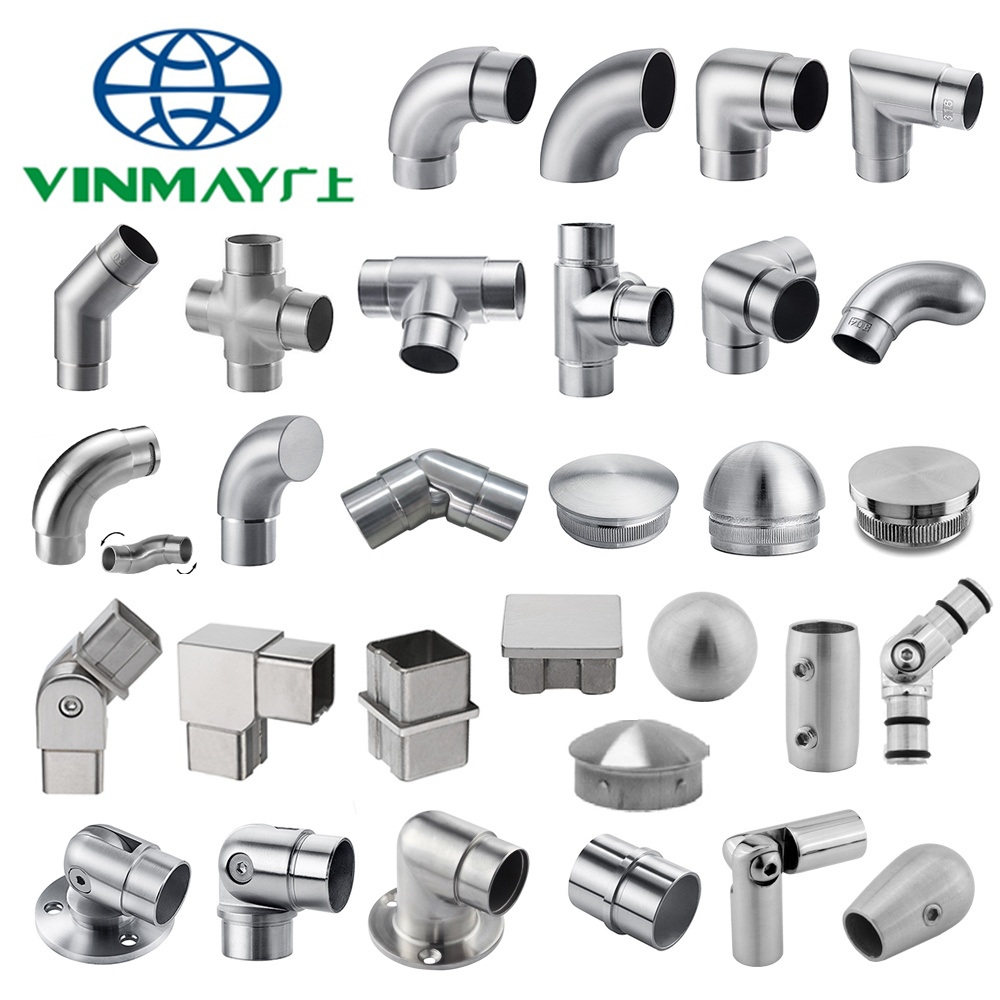
A tee fitting connects three tubes together.
Types include:
Tee handrail fittings are commonly used in mid-rail support structures and commercial railing systems.
Cross fittings allow four-way tube connections. They are widely used in safety barrier systems and industrial guardrails.
A handrail bracket is used to mount handrails directly to walls. It provides support and ensures compliance with safety standards in staircases and corridors.
Wall-mounted brackets are common in:
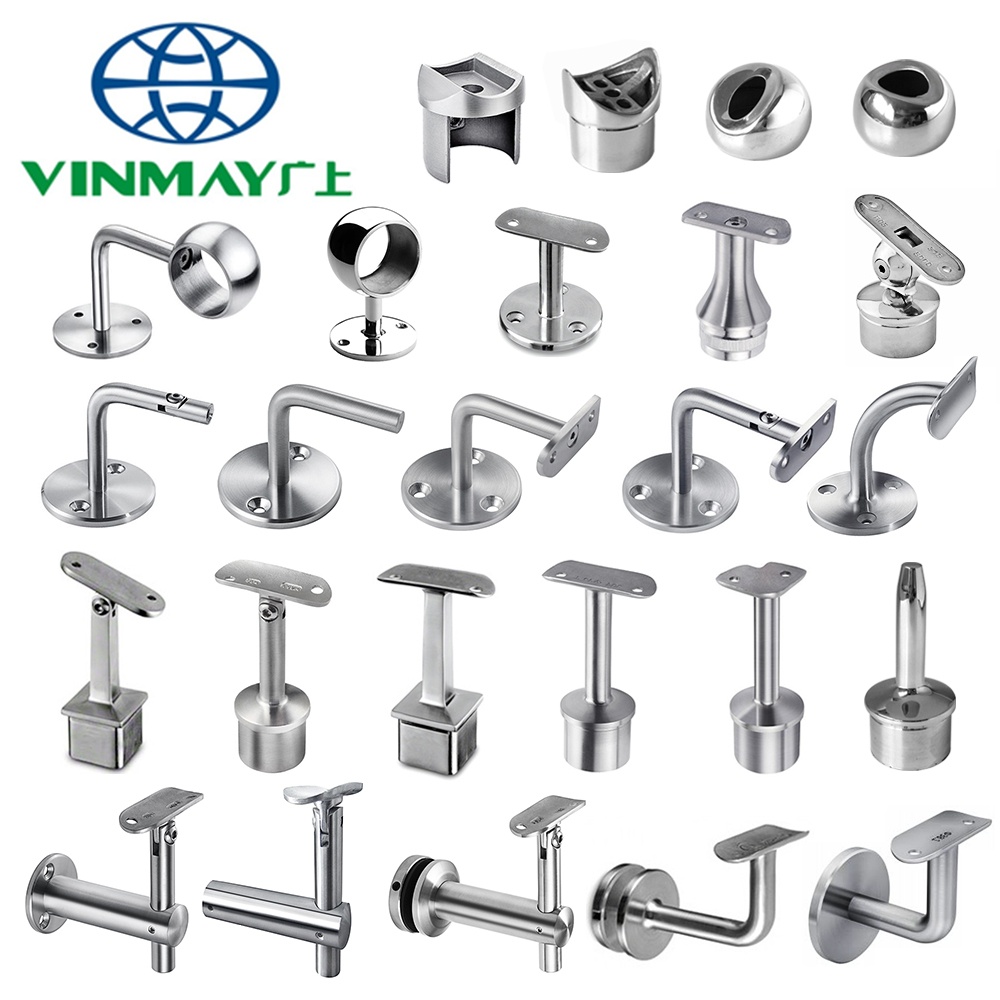
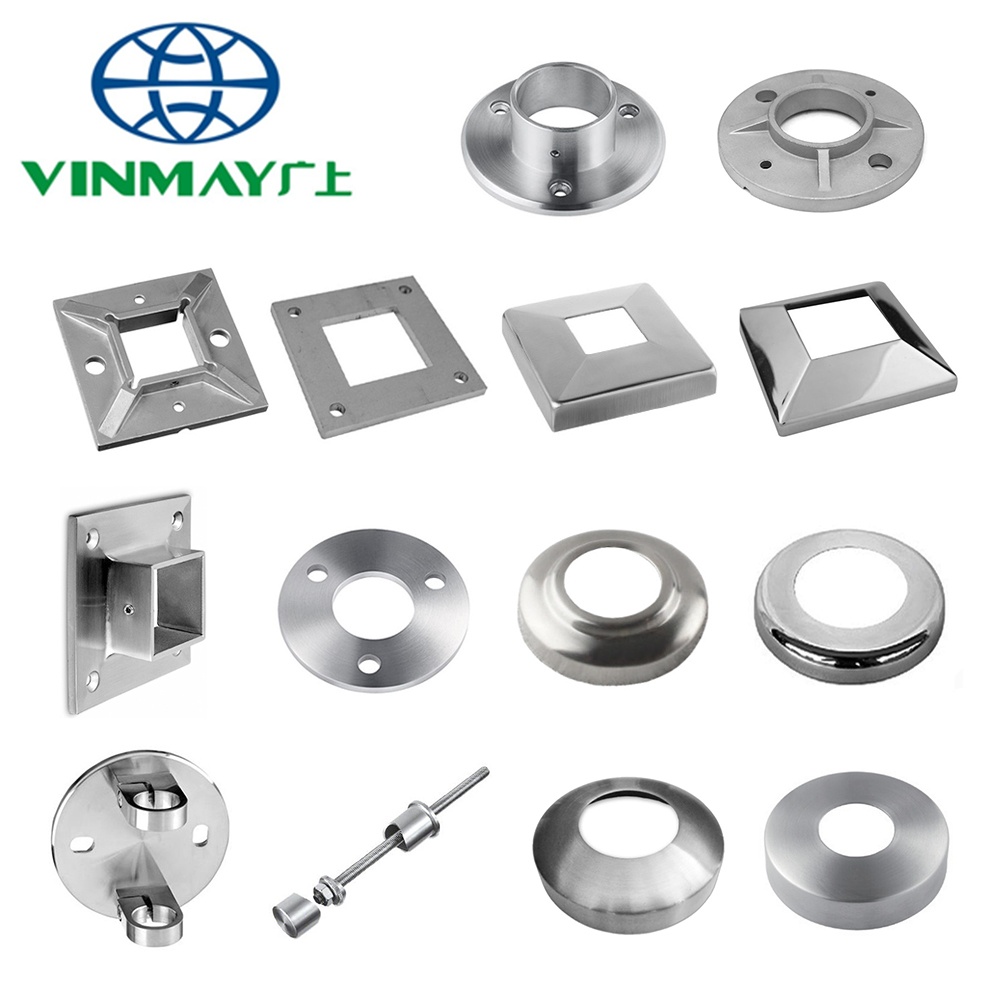
A handrail flange connects the vertical post to the floor or wall. It distributes load and increases stability.
High-quality stainless steel railing accessories use precision-machined flanges to ensure structural reliability.
End caps seal the open ends of handrail tubes. They serve both decorative and protective functions.
Benefits:
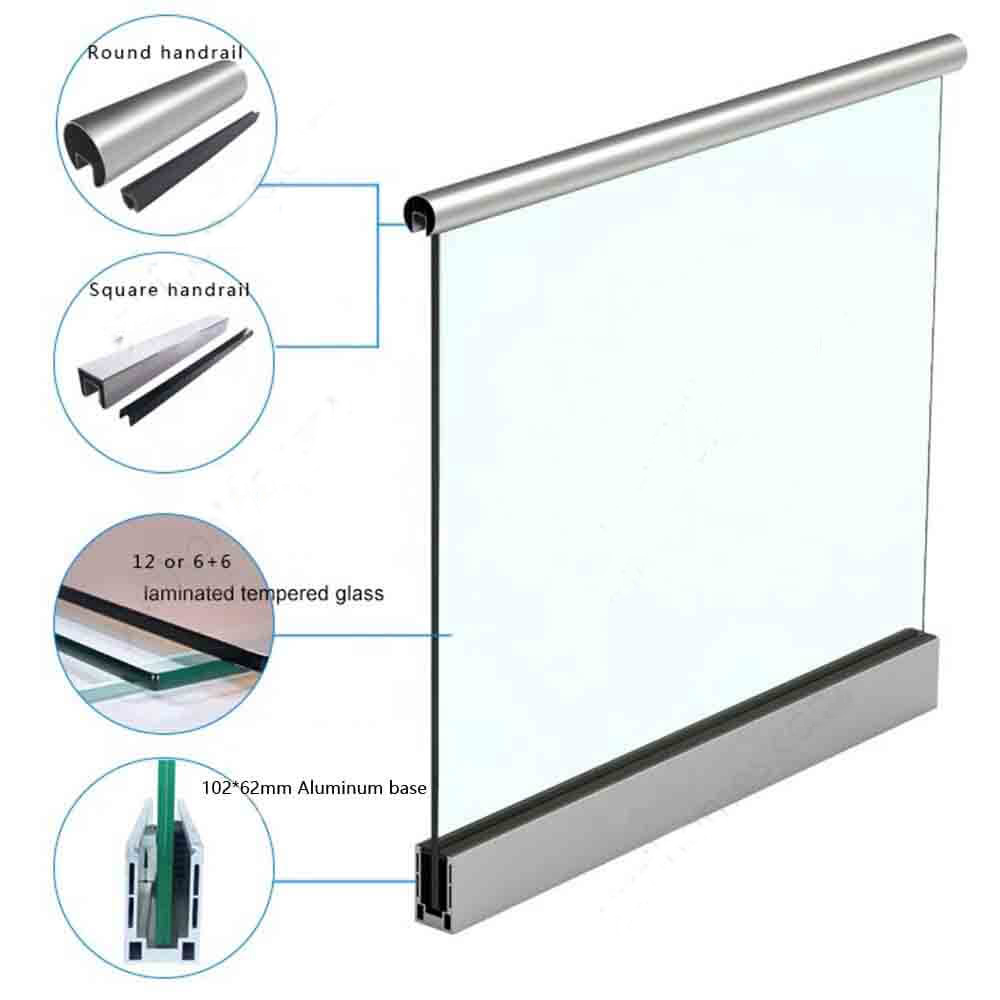
Modern architecture increasingly uses glass railing fittings for a clean and contemporary look.
Common glass railing fittings include:
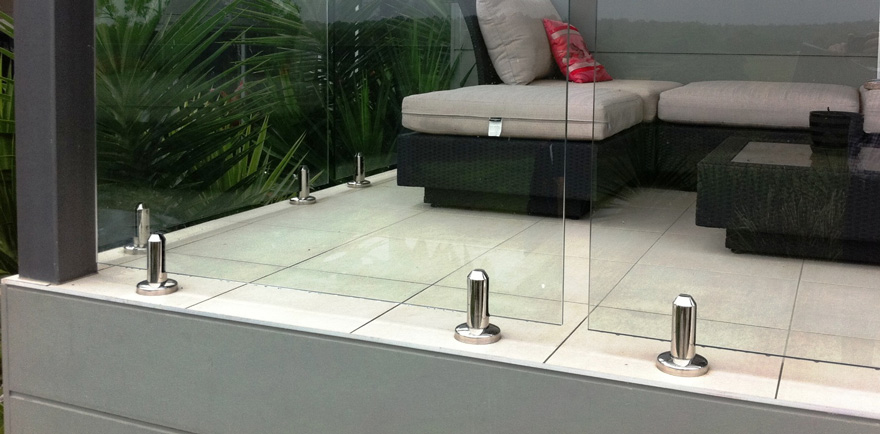
These fittings combine stainless steel strength with glass transparency, making them popular in balconies, swimming pools, and commercial buildings.
Material selection directly affects durability, corrosion resistance, and cost.
The most popular option worldwide is the stainless steel handrail fitting, thanks to its:
A 304 stainless steel material is suitable for indoor and mild outdoor environments.
Advantages:
Applications:
A 316 stainless steel contains molybdenum, offering superior corrosion resistance.
Recommended for:
Although more expensive than 304, 316 provides better long-term value in harsh environments.
Aluminum handrail fittings are Lightweight and affordable but less durable than stainless steel. Mainly used in low-load residential systems.
Stronger than aluminum but requires coating or galvanization to prevent rust. Less suitable for long-term outdoor use compared to stainless steel railing accessories.
Surface treatment enhances corrosion resistance and visual appeal.
For outdoor projects, high-quality stainless steel handrail fittings with proper polishing significantly improve durability.
A reliable railing system is essential across many industries.
In these environments, a 316 stainless steel railing fitting is strongly recommended due to chlorine and salt exposure.
Modern architecture often combines stainless steel handrail connectors with tempered glass panels for a minimalist design.
Choosing the correct handrail fitting ensures safety and longevity.
Common stainless steel tube sizes:
Your handrail connector must precisely match tube dimensions.
For high-traffic commercial projects, choose thicker and precision-machined stainless steel railing accessories.
Luxury hotel → Mirror polished
Public building → Satin finish
Working with a professional railing fittings factory ensures:
Proper installation ensures safety compliance.
Professional OEM handrail fittings suppliers often provide installation guidance to reduce errors.
High-quality railing fittings must pass strict inspections:
A reliable railing fittings manufacturer implements quality control from raw material inspection to final packaging.
Why are stainless steel railing fittings dominant in the global market?
Especially for 316 stainless steel railing fittings.
Suitable for heavy-load commercial projects.
Minimal cleaning required.
Perfect for contemporary architectural design.
Stainless steel railing accessories can last decades under proper conditions.
When sourcing handrail fittings for export projects, choosing the right partner is crucial.
A professional OEM railing fittings supplier should offer:
An experienced handrail fittings factory can also provide complete railing system solutions, including stainless steel tubes, connectors, and glass railing fittings.
For contractors and distributors, working directly with a reliable railing fittings manufacturer reduces cost while ensuring quality consistency.
For normal outdoor environments, 304 stainless steel handrail fittings are sufficient. For coastal or poolside projects, 316 stainless steel handrail fittings are recommended.
With proper installation and maintenance, stainless steel railing accessories can last over 20 years.
Yes, when combined with tempered or laminated safety glass and high-quality stainless steel handrail connectors.
Yes. Most professional OEM handrail fittings suppliers offer customization for size, finish, and logo.
A high-quality handrail fitting is essential for building safe, durable, and visually appealing railing systems. From stair handrail fittings to glass railing fittings, selecting the right material, finish, and manufacturer ensures long-term performance and structural integrity.
Among all materials, stainless steel handrail fittings—especially 304 and 316 grades—remain the most reliable solution for residential, commercial, and industrial projects. Whether you require standard handrail connectors or customized stainless steel railing accessories, working with a professional handrail fittings factory guarantees quality, consistency, and competitive pricing.
If you are sourcing reliable handrail fittings for your next project, partnering with an experienced railing fittings manufacturer will help you achieve both safety compliance and architectural excellence.