When purchasing stainless steel tubing for a processing system, one of the most common questions is: What is the difference between process tubing and sanitary tubing?
The two products can appear very similar. Both are commonly manufactured from stainless steel grades such as 304, 304L, 316, and 316L, and both can be used to transport liquids or gases.
However, process tubing and sanitary tubing are not interchangeable terms.
The main difference is their intended application and the technical requirements placed on the tubing. Process tubing is generally selected for industrial fluid and process-media transfer, while sanitary tubing is designed for applications where hygiene, cleanability, surface condition, and contamination control are critical.
This distinction becomes particularly important in the food and beverage, dairy, pharmaceutical, biotechnology, chemical processing, and water treatment industries.
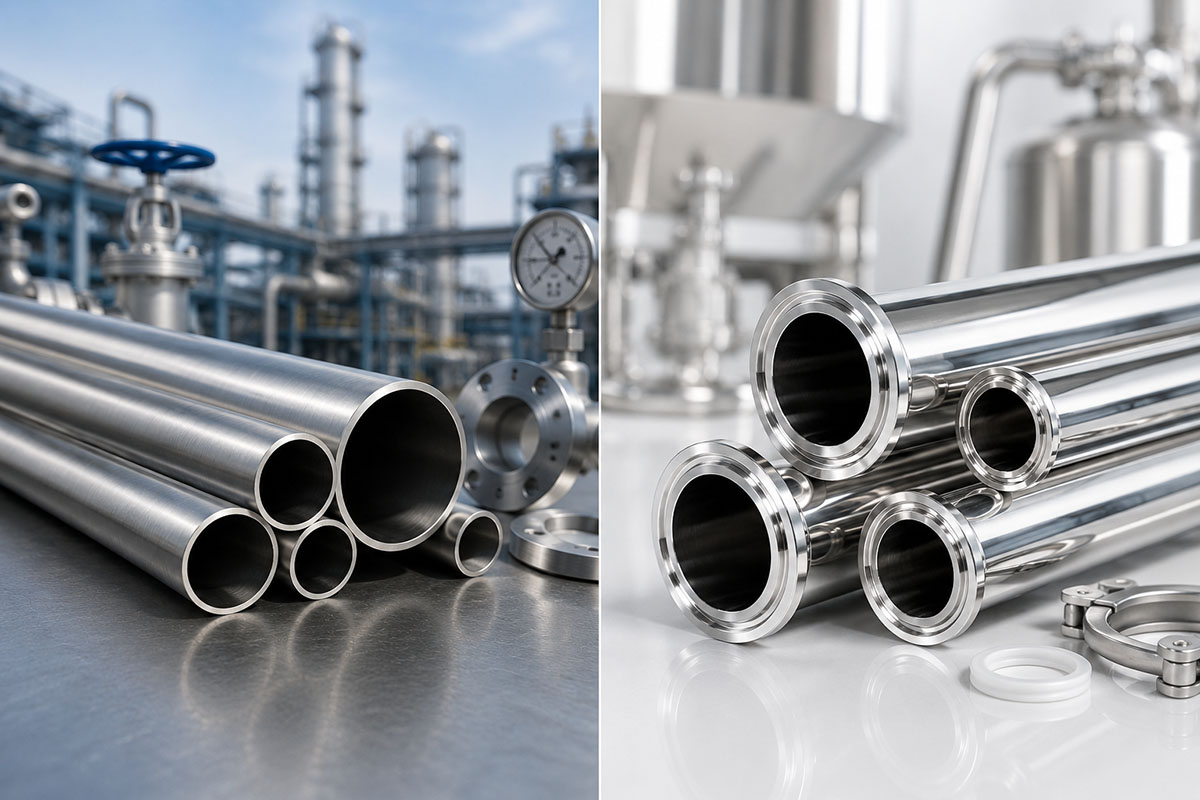
Stainless steel process tubing is tubing used to transport process fluids, gases, chemicals, or other media within industrial processing systems.
Unlike the term "sanitary tubing," process tubing describes a broader application category rather than one specific hygienic standard.
Depending on the application, process tubing may be manufactured according to standards such as ASTM A269 or ASTM A249.
Common stainless steel grades include:
The appropriate grade depends on the fluid being transported, temperature, pressure, corrosion environment, and other operating conditions.
Stainless steel process tubing can be found in:
For these applications, buyers may prioritize corrosion resistance, dimensional accuracy, wall thickness, pressure capability, temperature resistance, weld integrity, and testing requirements.
Sanitary tubing is stainless steel tubing designed for applications where hygiene, cleanliness, contamination control, and cleanability are essential.
It is widely used in industries where the transported product may be consumed by people, administered to patients, or easily contaminated.
Typical industries include:
Common standards include ASTM A270, as well as EN 10357 and DIN 11850 for applicable markets and applications.
Compared with general process tubing, sanitary tubing places greater emphasis on the internal surface condition and hygienic performance of the tube.
A smooth internal surface helps minimize product retention and makes the tubing easier to clean and sanitize.
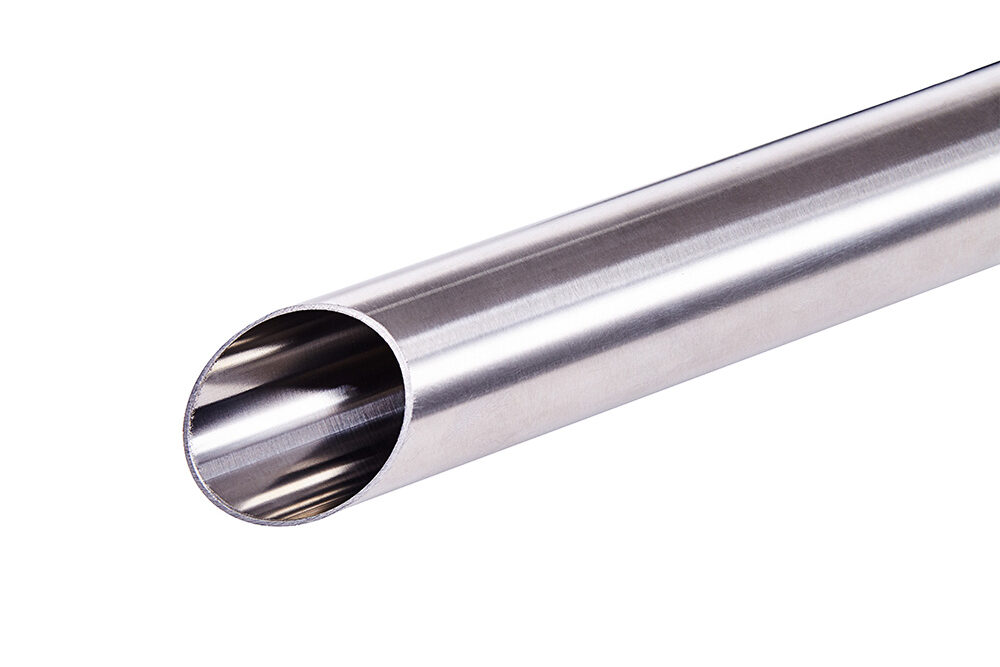
Although there is some overlap between the two, the following factors help distinguish process tubing from sanitary tubing.
| Factor | Process Tubing | Sanitary Tubing |
|---|---|---|
| Main purpose | Industrial process and fluid transfer | Hygienic product and fluid transfer |
| Typical industries | Chemical, industrial, food, pharmaceutical, energy | Food, dairy, beverage, pharmaceutical, biotechnology |
| Common standards | ASTM A269, ASTM A249 | ASTM A270, EN 10357, DIN 11850 |
| Surface requirements | Application dependent | Strong emphasis on internal surface quality |
| Cleanability | Depends on the application | Critical |
| Internal surface | Specified according to application | Usually tightly controlled |
| Surface roughness | Customer/specification dependent | Often a critical requirement |
| Common grades | 304, 304L, 316, 316L | 304, 304L, 316L |
| Main selection criteria | Pressure, temperature, corrosion, dimensions | Hygiene, cleanability, surface finish, corrosion resistance |
| Typical connection | Depends on equipment/system | Often hygienic fittings and connections |
The important point is that sanitary tubing should not be defined simply as "higher quality process tubing."
The two products are designed around different priorities.
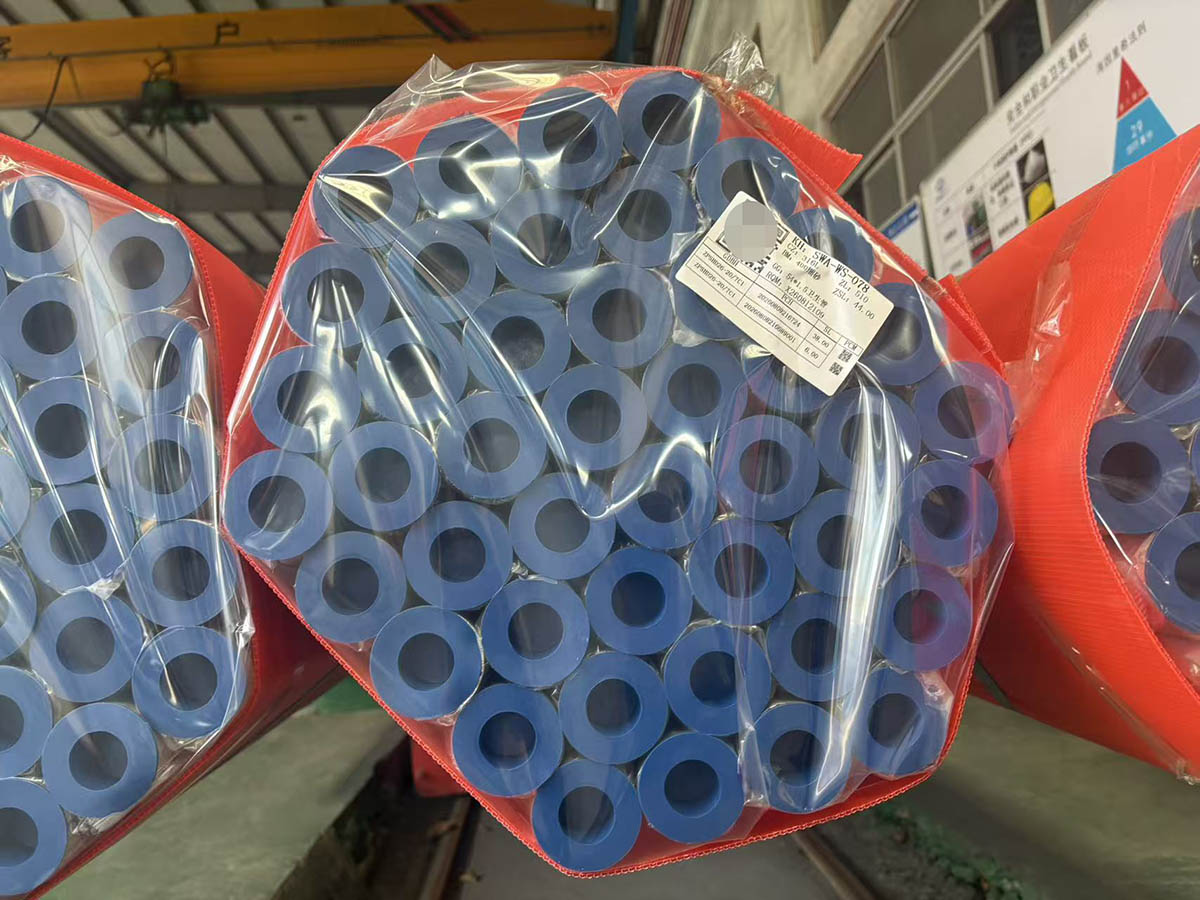
When comparing ASTM A269 and ASTM A270 stainless steel tubing, the key differences are found in the manufacturing method, heat treatment, dimensional tolerances, mechanical testing, nondestructive testing, surface finish, and supplementary requirements.
Although both specifications cover stainless steel tubing and may use the same grades such as 304L and 316L, they do not have identical technical requirements.
ASTM A269 covers both seamless and welded austenitic stainless steel tubing.
For welded tubing, the tube is formed from stainless steel strip and longitudinally welded. The finished tube is then subjected to the required heat treatment, sizing, testing, and inspection.
A269 is primarily concerned with the performance and integrity of tubing used in general corrosion-resistant and temperature-service conditions.
ASTM A270 covers:
For welded A270 tubing, the welding process is performed without the addition of filler metal.
A270 also defines a specific manufacturing route for heavily cold-worked welded tubing. The welded tube undergoes substantial cold reduction before final annealing, providing additional control over the weld and finished tube.
Key difference:
A269 focuses on general welded/seamless tubing requirements, while A270 provides additional manufacturing provisions specifically relevant to sanitary tubing.
Both ASTM A269 and ASTM A270 require tubing to be supplied in the specified heat-treated condition.
The actual heat-treatment temperature depends on the stainless steel grade.
For example, austenitic stainless steels such as 304L and 316L require solution annealing to restore the appropriate metallurgical condition after manufacturing.
Heat treatment is important because welding and cold working can alter the microstructure of stainless steel.
Proper heat treatment can help:
For buyers, the important point is that the annealing condition should be confirmed against the applicable grade and ASTM specification rather than simply asking for "annealed tubing."
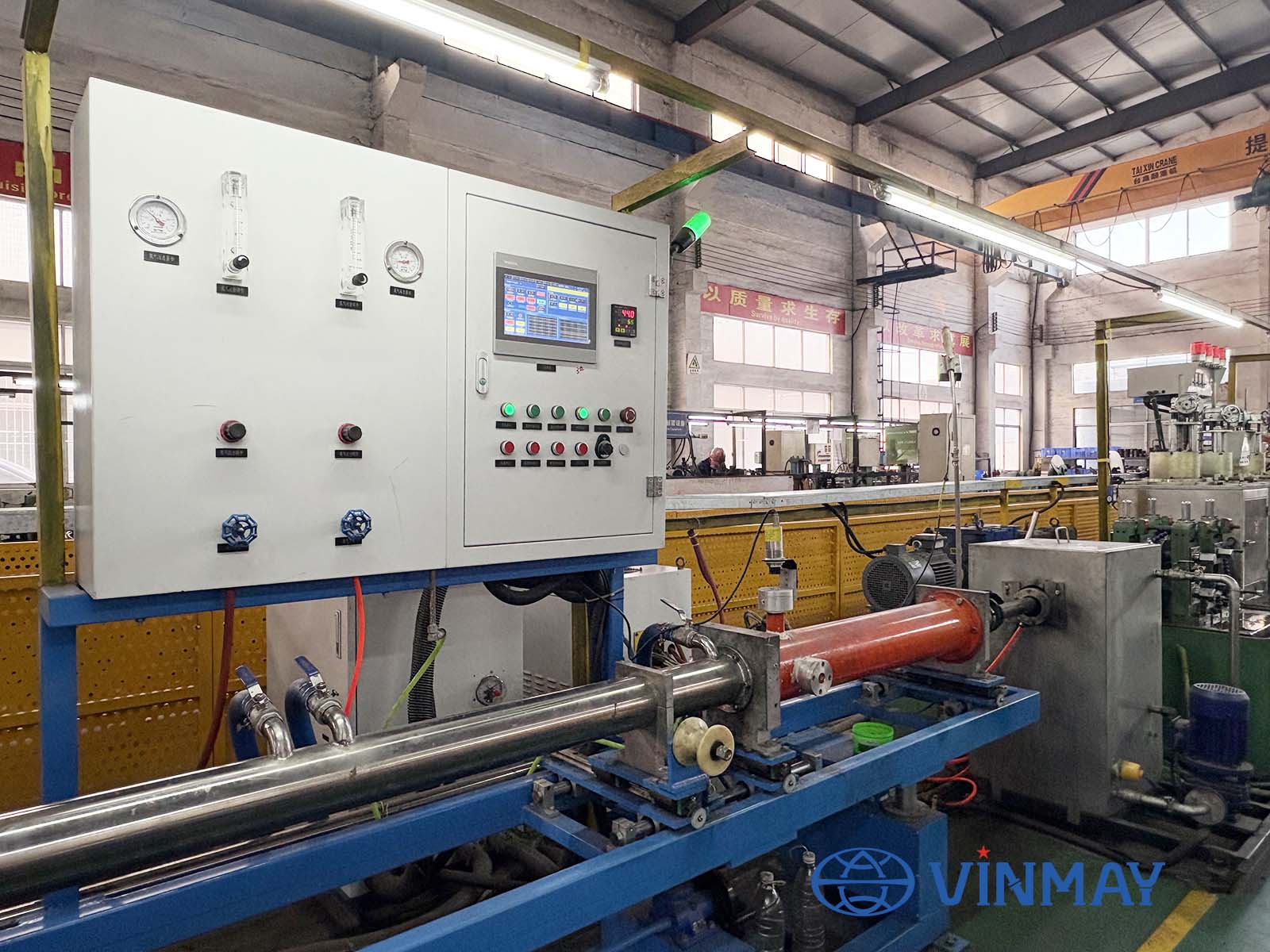
Both standards specify chemical composition requirements for the applicable stainless steel grades.
Common grades include:
The chemical composition is verified against the requirements for the specified grade.
For example, 316L differs from 304L primarily through its alloying composition, including molybdenum, which contributes to improved corrosion resistance in certain environments.
However:
316L A269 and 316L A270 are not identical products simply because they have the same grade designation.
The ASTM specification controls the additional requirements applicable to the finished tubing.
For purchasing, the material certificate should identify the grade and provide heat/chemical traceability.
Dimensional tolerance is an important part of both standards, but the tolerance tables are not identical.
A269 specifies tolerances for:
For standard tubing, wall thickness is generally controlled within the tolerance specified by the standard, with special provisions for thin-wall tubing.
For A270 tubing with wall thickness of 0.049 in. [1.24 mm] or greater, the standard provides specific OD tolerances according to tube diameter.
The general wall-thickness tolerance is ±12.5%, while the pharmaceutical-quality supplementary requirement S2 provides tighter requirements.
When purchasing tubing, do not specify only:
38.1 mm × 1.5 mm
A complete specification should identify:
OD × wall thickness + ASTM standard + grade + tolerance requirements
This is especially important when tubing must connect precisely with hygienic fittings, valves, pumps, heat exchangers, or other equipment.
Both specifications contain requirements for mechanical properties and deformation testing.
Depending on the grade and tube type, tests may include:
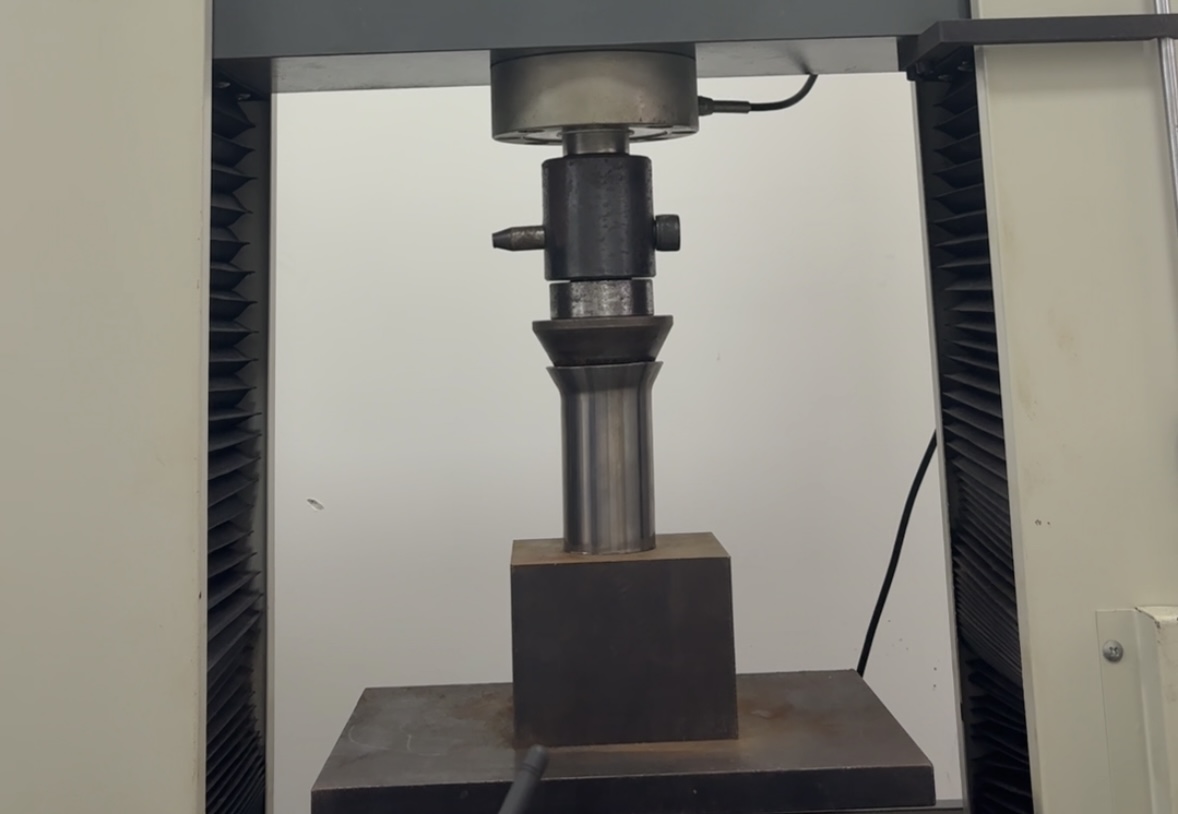
This is particularly important for welded tubing.
The tube is flattened and examined for imperfections in or near the weld area.
For welded A270 tubing, the reverse flattening test is performed at the frequency specified by the standard.
This test helps identify potential problems such as:
For welded sanitary tubing, weld integrity is particularly important because the weld forms part of the fluid-contact surface.
Both ASTM A269 and ASTM A270 require each tube to undergo either:
Hydrostatic testing or Nondestructive electric testing
according to the applicable requirements.
Hydrostatic testing uses liquid pressure to verify the pressure-containing integrity of the tube.
It is primarily intended to identify leakage or pressure-boundary defects.
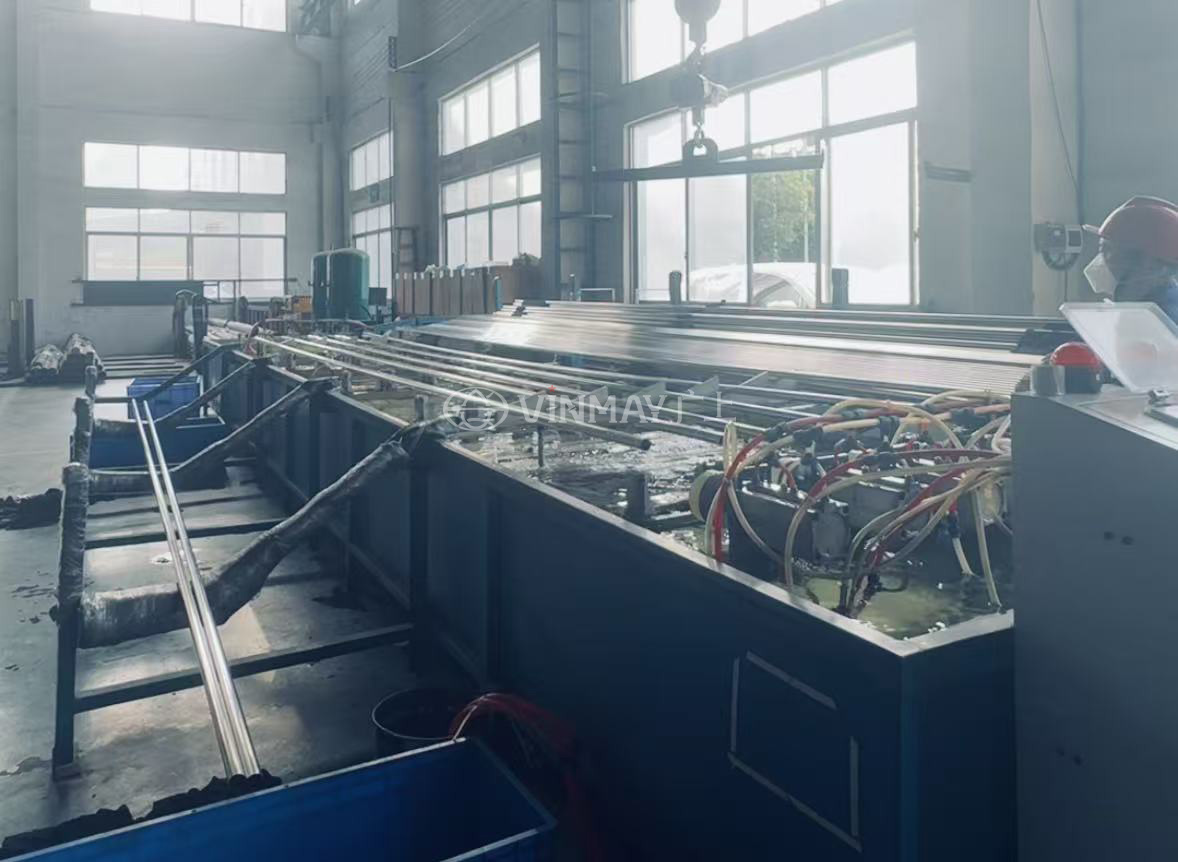
Nondestructive electric testing allows the manufacturer to inspect the tube for discontinuities without destroying the product.
For welded stainless steel tubing, this can be particularly useful for detecting defects associated with the tube wall and weld region.
If you specifically require: 100% Eddy Current Testing
do not assume that simply specifying ASTM A269 or ASTM A270 automatically means the manufacturer must use eddy current testing.
The purchase order should clearly state the required inspection method.
In summary, ASTM A269 and ASTM A270 are designed for different technical requirements. ASTM A269 focuses on general-service stainless steel tubing, with emphasis on material quality, mechanical properties, dimensional accuracy, and pressure integrity. ASTM A270 is specifically developed for sanitary tubing and places greater emphasis on surface finish, internal surface quality, cleanability, and hygienic requirements, with additional options such as pharmaceutical-quality tubing and passivation. While both standards may cover the same stainless steel grades, such as 304L and 316L, the applicable standard should be selected based on the tubing's complete technical and service requirements.
Yes. Surface finish is one of the most important areas where the requirements can differ.
For general process tubing, the required surface finish depends on the application.
For example, a chemical process may prioritize corrosion resistance and dimensional performance rather than a highly polished internal surface.
For sanitary tubing, however, the internal surface is particularly important because an excessively rough or poorly finished surface can create areas where:
This is why sanitary tubing specifications often include requirements related to surface roughness (Ra) and polishing.
When discussing stainless steel tubing, "surface finish" should not be treated as a single specification.
A buyer may need to specify:
For sanitary applications, the internal surface is often more important than the external appearance.
Ra refers to the arithmetic average surface roughness.
It is commonly expressed in micrometers (µm).
A lower Ra value generally indicates a smoother surface.
For example:
Ra 0.8 µm
indicates a smoother surface than:
Ra 1.6 µm
However, a lower Ra value should not automatically be interpreted as "better" for every application.
The appropriate surface roughness depends on:
For sanitary tubing, buyers should clearly specify the required internal Ra value instead of simply requesting "polished stainless steel tube."
Not necessarily in every application.
Both 304 and 316L stainless steel are widely used, but their corrosion resistance is different.
304 is commonly selected for:
304L has a lower carbon content and may be preferred where improved weld-related corrosion resistance is required.
316L contains molybdenum, which generally provides improved resistance to certain corrosive environments compared with 304.
It is frequently considered for:
However, 316L should not simply be chosen because it is more expensive or commonly associated with sanitary applications.
The correct material depends on the actual process media and operating environment.
Learn More : 304 vs 316L Sanitary Tubes for Food Tanks
This is one of the most important questions for buyers.
The answer is:
Sometimes, but not automatically.
A stainless steel process tube may have sufficient corrosion resistance and mechanical performance, but that does not necessarily mean it meets the requirements of a sanitary processing system.
Before using process tubing in a sanitary application, consider:
Does the tubing meet the required standard for the application?
For example:
Is the internal surface smooth enough for the required cleaning and sanitation process?
Is the required internal Ra value specified and verified?
Is the longitudinal weld properly formed and finished?
For sanitary applications, weld quality is particularly important because the weld area is part of the internal fluid-contact surface.
Can the tubing be effectively cleaned using the plant's cleaning procedures?
Are the tube and fittings compatible with the hygienic design of the system?
Therefore, a stainless steel tube should not be classified as sanitary simply because it is 316L or polished.
The complete specification matters.
For welded stainless steel tubing, the weld seam deserves particular attention.
A tube can have excellent external appearance while still requiring careful inspection of the weld area.
Depending on the application, manufacturers may perform inspections or tests such as:
For hygienic applications, the internal weld profile can also affect:
Therefore, when purchasing welded stainless steel process or sanitary tubing, it is useful to ask the supplier how the weld is formed, inspected, and finished.
Food processing is an area where the two categories can overlap.
For example, a food processing plant may contain both:
Process tubing
for general utility or process-fluid transfer, and
Sanitary tubing
for direct product-contact applications.
The correct selection depends on where the tubing is installed and what it carries.
A stainless steel tube transporting:
may not have the same requirements as a tube transporting:
The product-contact line generally requires greater attention to hygiene, internal surface condition, cleanability, and sanitary connections.
Pharmaceutical processing has even stricter requirements because contamination can affect product quality and patient safety.
Tubing used in pharmaceutical processing may require consideration of:
This means that selecting a tube based only on:
"316L stainless steel"
is not enough.
The complete material, surface, welding, fabrication, cleaning, and documentation requirements need to be considered.
For food, beverage, dairy, and pharmaceutical systems, CIP (Clean-in-Place) and, where applicable, SIP (Sterilize-in-Place) can be important considerations.
The tubing system should allow cleaning or sterilization media to reach the required surfaces effectively.
Factors that may influence CIP/SIP performance include:
This is another reason why sanitary tubing cannot be selected simply by comparing stainless steel grades.
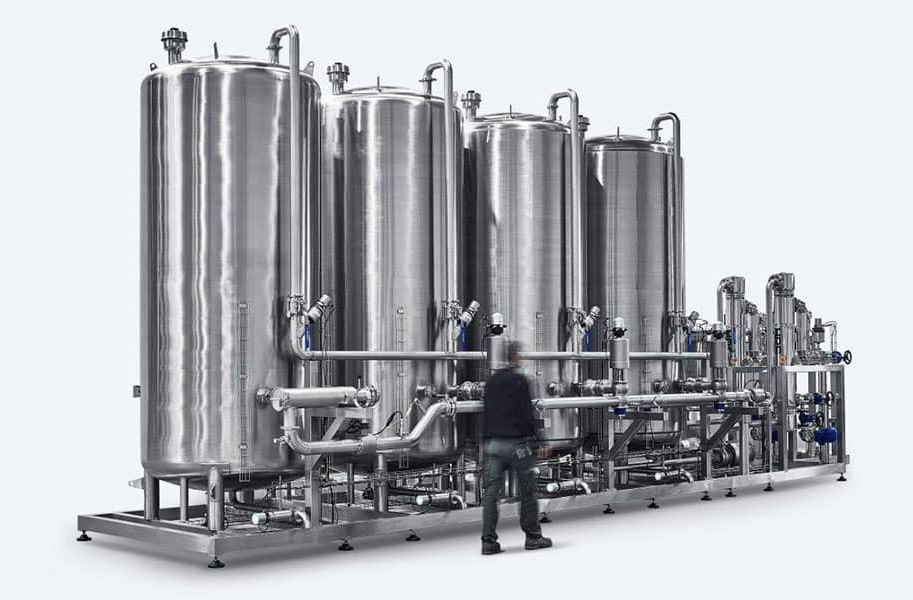
Before requesting a quotation, buyers should prepare as much of the following information as possible.
Tell the supplier what the tube will be used for.
For example:
Food processing / pharmaceutical / chemical processing / heat exchanger / water treatment / fluid transfer
Specify:
304 / 304L / 316 / 316L
if already determined.
If you are unsure, provide the process media and operating conditions so the supplier can recommend a suitable grade.
Specify the required standard:
ASTM A269 / ASTM A249 / ASTM A270 / EN 10357 / DIN 11850
Provide:
Outside Diameter × Wall Thickness × Length
For example:
38.1 mm OD × 1.5 mm WT × 6 m
Specify:
Include:
Depending on the application, you may need:
The best choice depends on the application rather than the product name.
Choose process tubing when the primary requirements are reliable fluid or process-media transfer, corrosion resistance, dimensional control, pressure/temperature performance, and compatibility with the process environment.
Choose sanitary tubing when the application requires a higher level of hygiene, cleanability, internal surface control, and contamination prevention.
For food, beverage, pharmaceutical, and dairy processing, sanitary tubing is often the more appropriate choice for direct product-contact lines.
For chemical, industrial, heat-transfer, and general fluid applications, process tubing may be more appropriate depending on the operating conditions.
In applications where the requirements overlap, the final selection should be based on the applicable standard and complete technical specification.
Before ordering stainless steel process or sanitary tubing, confirm:
Getting these details right before purchasing can prevent incorrect material selection, additional processing costs, and compatibility problems during installation.
Process tubing and sanitary tubing may look similar, but they are designed around different priorities.
Process tubing is primarily selected for industrial process and fluid-transfer requirements, while sanitary tubing is designed for applications where hygiene, cleanability, surface quality, and contamination control are critical.
ASTM A269 and ASTM A270 are two important standards to understand, but the standard alone does not determine whether a tube is suitable for a particular application.
The best approach is to evaluate the application, material grade, dimensions, standard, surface finish, Ra, weld quality, pressure, temperature, and cleaning requirements together.
For stainless steel process or sanitary tubing, a qualified manufacturer can help determine the appropriate specification based on your actual application and operating conditions.