
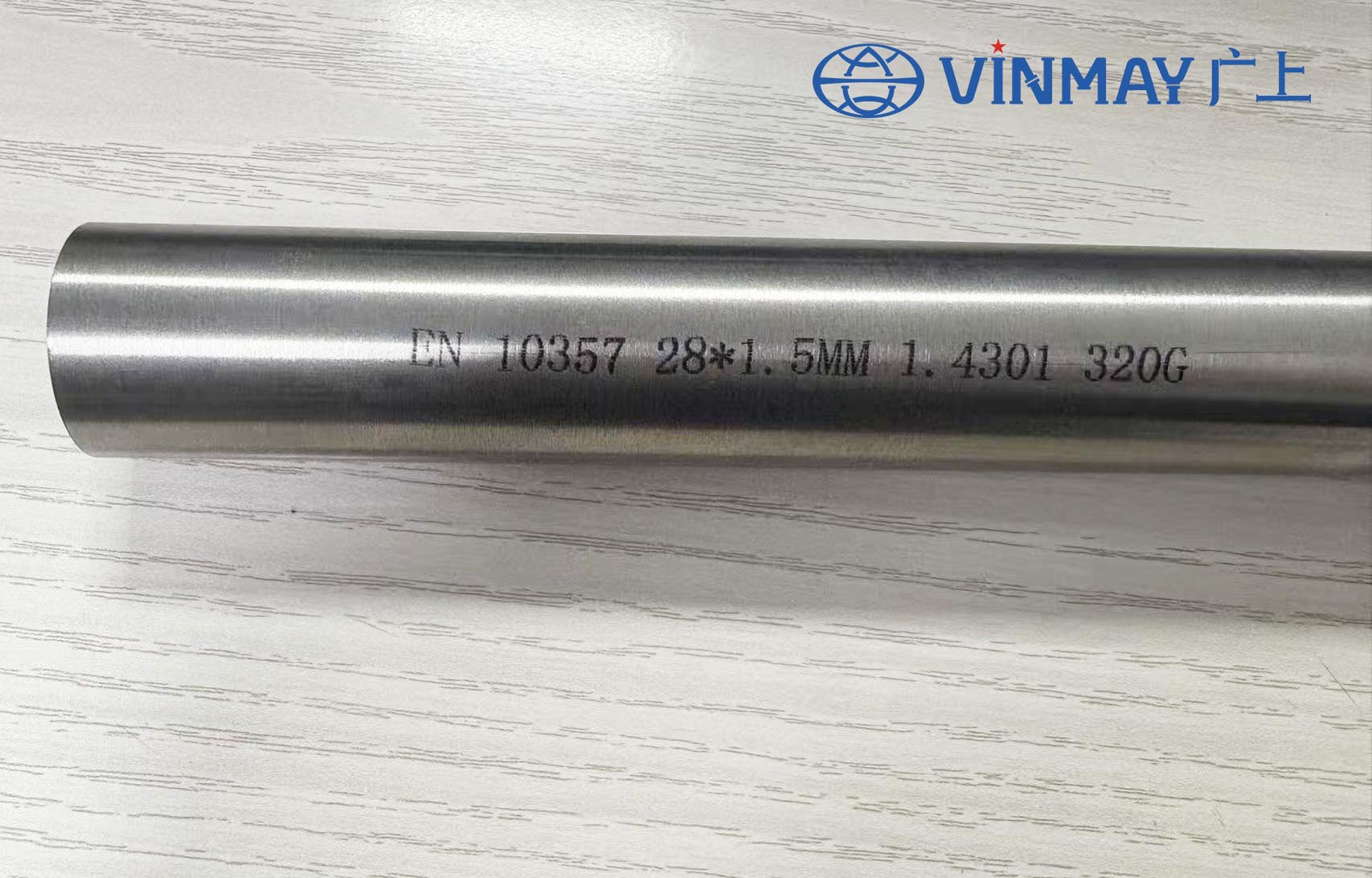
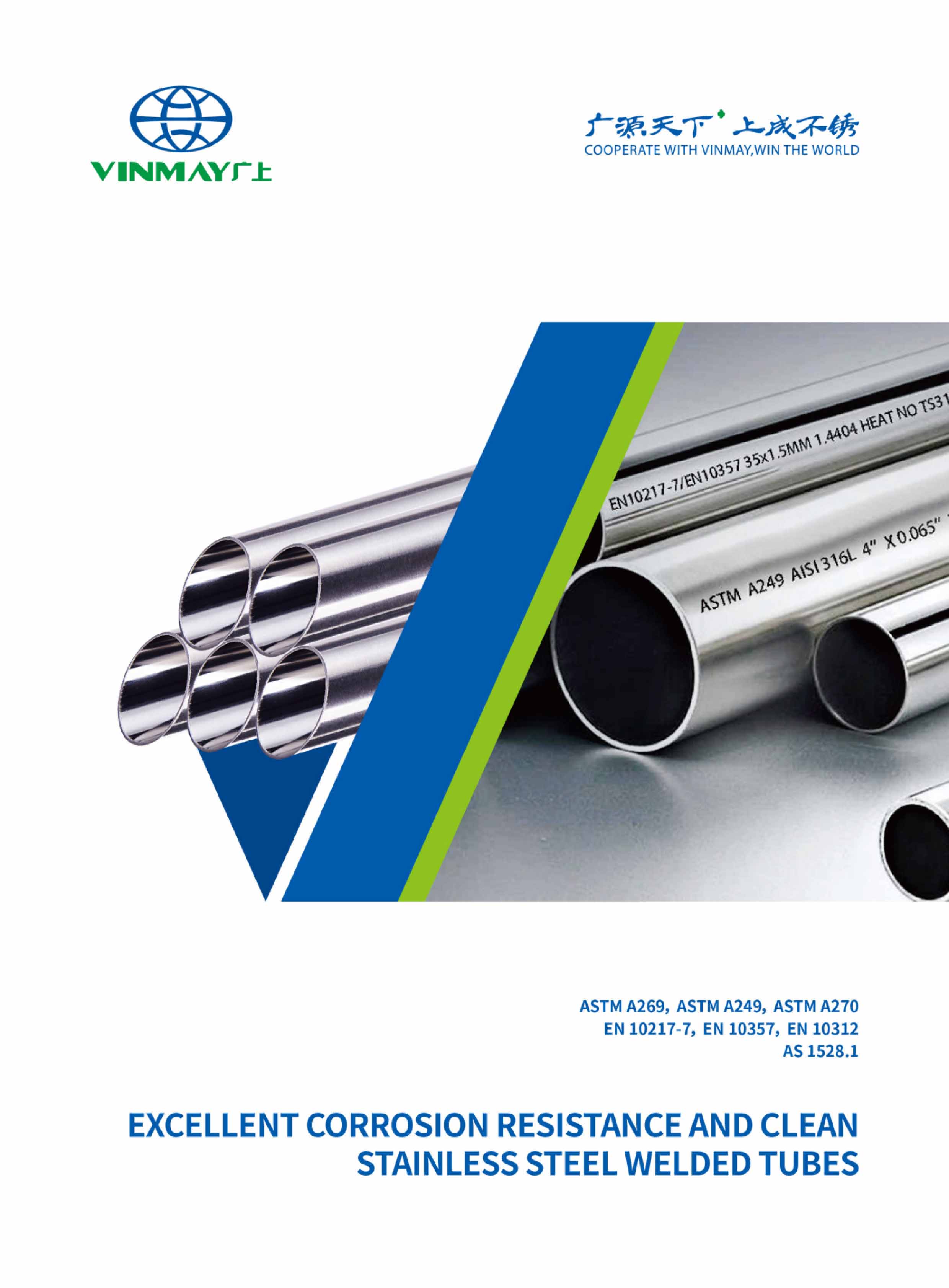
EN 10357 is a European standard that specifies the dimensions, tolerances, and manufacturing conditions for stainless steel tubes and fittings used in the chemical, food, and pharmaceutical industries. The standard covers both welded and seamless tubes intended to be integrated into tube systems through welding, ensuring reliability and consistency in demanding applications.
Based on this standard, the EN10357 Tube has become a widely accepted solution for industries that require high levels of hygiene, corrosion resistance, and structural integrity. The EN10357 Tube is specifically designed to perform in environments where cleanliness and resistance to aggressive substances are critical.
With strict control over material quality, surface condition, and production processes, the EN10357 Tube ensures excellent durability and long-term performance. As a result, it is extensively used in sectors such as food processing, pharmaceutical manufacturing, and chemical engineering.
In this article, we will explore the key technical aspects of EN10357 Tube, including material requirements, manufacturing processes, welding standards, surface conditions, testing methods, and packaging requirements.
Common Stainless Steel Grades
The performance of an EN10357 Tube largely depends on the material used. The standard mainly covers austenitic and duplex stainless steels, ensuring high corrosion resistance and mechanical strength.
Typical grades include:
Chemical Composition
304 / 304L Stainless Steel (1.4301 / 1.4307)
| Element | Content (%) |
| C | ≤ 0.07 (304) / ≤ 0.03 (304L) |
| Cr | 17.5 – 19.5 |
| Ni | 8.0 – 10.5 |
| Mn | ≤ 2.0 |
| Si | ≤ 1.0 |
| P | ≤ 0.045 |
| S | ≤ 0.015 |
1.4404 (316L Stainless Steel)
Offers superior corrosion resistance, especially in chloride environments, making it ideal for pharmaceutical and marine applications.
Chemical Composition
316L Stainless Steel (1.4404)
| Element | Content (%) |
| C | ≤ 0.03 |
| Cr | 16.5 – 18.5 |
| Ni | 10.0 – 13.0 |
| Mo | 2.0 – 2.5 |
| Mn | ≤ 2.0 |
| Si | ≤ 1.0 |
Duplex Stainless Steel (e.g., 1.4462)
Provides higher strength and enhanced resistance to stress corrosion cracking.
Typical Mechanical Properties
| Property | 304 / 304L | 316L |
| Tensile Strength (MPa) | ≥ 520 | ≥ 520 |
| Yield Strength (MPa) | ≥ 210 | ≥ 210 |
| Elongation (%) | ≥ 40 | ≥ 40 |
| Hardness (HB) | ≤ 201 | ≤ 217 |
The manufacturing process of EN10357 Tube is strictly defined to ensure high quality, excellent surface finish, and reliable performance in hygienic and industrial applications. According to the EN 10357 standard, the tubes must be produced using controlled procedures that guarantee both structural integrity and surface cleanliness.
EN10357 Tube is manufactured from cold rolled stainless steel strip, sheet, or plate. Cold forming improves the mechanical strength and ensures a smooth and uniform surface finish.
The material is formed into a tubular shape and longitudinally fusion welded, with or without filler material, depending on the production method.
Longitudinal Welding and Weld Seam Treatment
After forming, the tube is welded along its length using high-precision welding processes. The weld seam must meet strict requirements:
Most importantly, the weld seam must undergo inside weld bead removing (deburring or rolling) to ensure a smooth internal surface. The weld is worked down until it is flush with the tube wall and then polished if required.
This process is critical for hygienic applications, as any internal protrusion can affect fluid flow and increase the risk of contamination.
One of the most important steps in the EN10357 Tube manufacturing process is bright annealing.
Bright annealing is a heat treatment process performed in a controlled protective atmosphere (such as hydrogen or inert gas), which:
According to EN 10357, tubes can be supplied in:
For tubes that are not bright annealed, internal and external pickling and passivation are mandatory to remove oxidation and improve corrosion resistance.
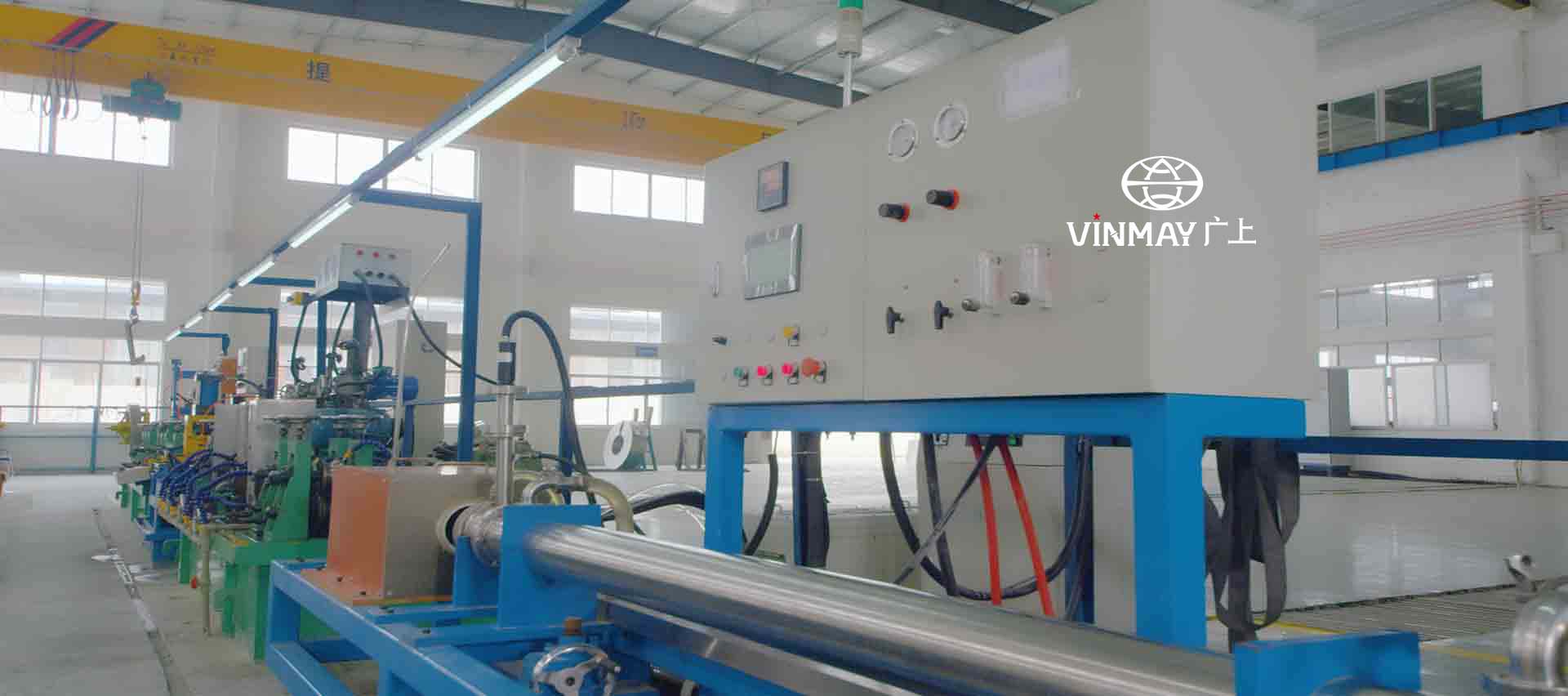
After welding and heat treatment, EN10357 Tube undergoes surface finishing processes to meet strict roughness requirements:
Additional processes may include:
Surface quality is a critical requirement, especially in food and pharmaceutical industries.
The EN10357 Tube must be free from:
After cleaning, the tube is straightened, cut to size, and inspected. The tube ends must be smooth and free from burrs to ensure safe installation and connection.
These strict manufacturing requirements ensure that EN10357 Tube meets the highest standards for hygiene, corrosion resistance, and mechanical performance.
The EN10357 Tube standard specifies detailed dimensional ranges and tolerances to ensure compatibility with fittings and system requirements in hygienic and industrial applications.
EN10357 Tube is available in a wide range of outer diameters depending on the series (A, B, C):
These dimensions ensure that EN10357 Tube can be integrated into both hygienic and industrial piping systems.
The typical wall thickness of EN10357 Tube includes:
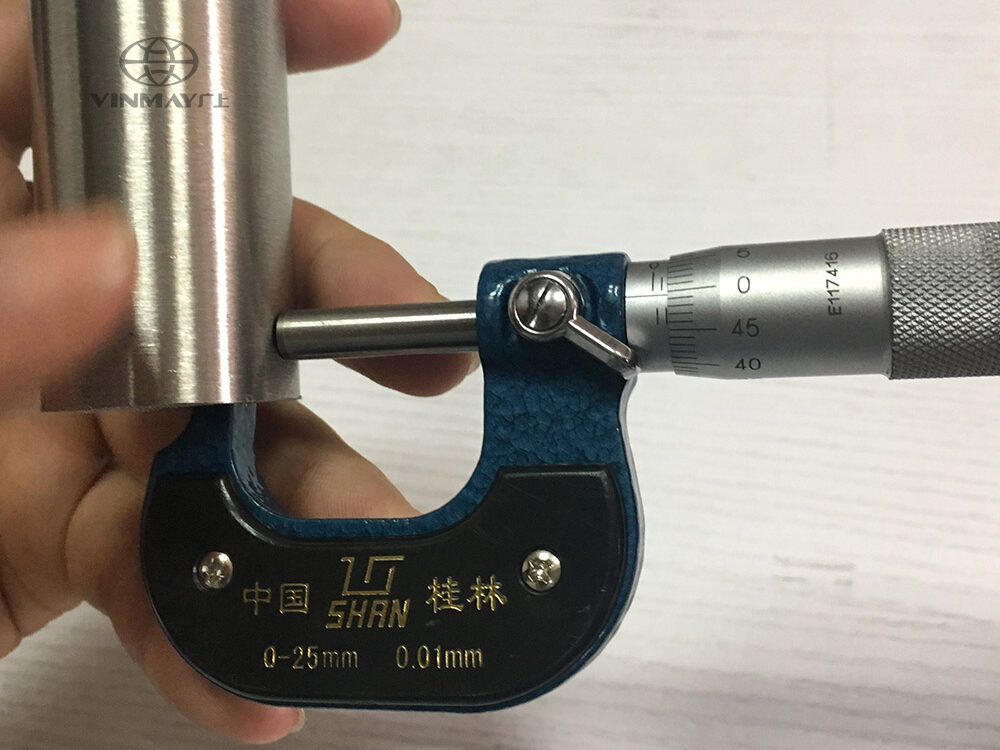
Wall thickness selection depends on:
EN10357 Tube requires strict dimensional tolerances to ensure precision and leak-free installation:
Straightness is critical for installation and system alignment.
or
This ensures that EN10357 Tube can be easily installed without additional correction.
EN10357 Tube is typically supplied in:
Cut ends must be:
Accurate dimensions of EN10357 Tube ensure:
Surface condition is one of the most critical aspects of EN10357 Tube, especially for applications in food, beverage, and pharmaceutical industries where hygiene is essential.
The internal surface of EN10357 Tube must be smooth, clean, and free from defects such as:
Typical internal surface roughness:
For applications requiring polishing, EN10357 Tube can achieve:
Higher grit numbers indicate smoother surfaces and lower contamination risk.
A key requirement for EN10357 Tube is:
This ensures:
The external surface of EN10357 Tube can be supplied in several conditions:
EN10357 Tube must be:
For sanitary applications, additional cleaning processes may include:
The surface condition of EN10357 Tube directly impacts:
A smoother surface reduces bacterial adhesion and ensures compliance with strict industry standards.
Ensures no defects and dimensional accuracy.
Each tube includes:
Clean packaging for sanitary applications.
Read More: Applications of Sanitary Stainless Steel Pipe in Various Industries
The EN10357 Tube is a high-performance solution for industries requiring strict hygiene and durability. With advanced manufacturing processes such as bright annealing and inside weld bead removing, it ensures superior surface quality and long-term reliability.
Its precise dimensions, smooth surface condition, and strict quality control make EN10357 Tube an essential choice for modern industrial and sanitary piping systems.



[…] EN10357 […]
[…] standards include ASTM A270, as well as EN 10357 and DIN 11850 for applicable markets and […]