Choosing the right sanitary tube material is a critical decision when designing or upgrading a food-grade tank and piping system. Among all stainless steel options, 304 and 316L sanitary tubes are the most commonly used materials in food processing tanks. Both grades offer excellent hygienic performance, but they differ in corrosion resistance, chemical composition, cost, and suitable application environments.
In this article, we provide a detailed comparison of 304 vs 316L sanitary tubes for food tanks, helping food manufacturers, equipment integrators, and engineering companies select the most appropriate material for their specific food processing applications.
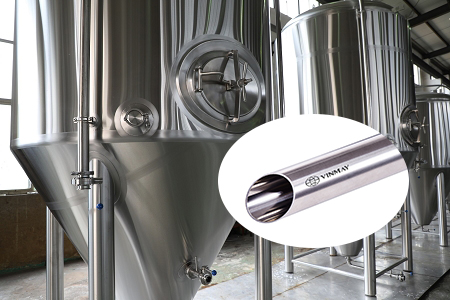
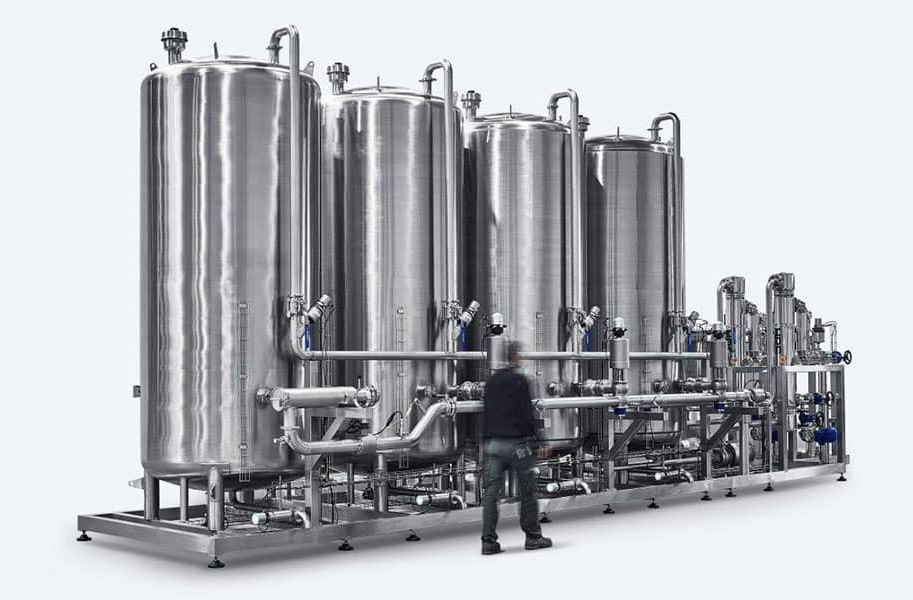
Food processing tanks are used to store, mix, heat, ferment, and transfer a wide range of liquid products, including milk, beverages, juice, beer, edible oils, and sauces. The sanitary tubes connected to these tanks are in direct contact with food products and cleaning chemicals.
Selecting the wrong material may lead to corrosion, contamination, shorter service life, or non-compliance with food safety regulations. Therefore, understanding the differences between 304 and 316L sanitary tubes for food tanks is essential for building a reliable and hygienic food-grade tank system.
304 stainless steel is an austenitic stainless steel containing approximately 18% chromium and 8% nickel. This composition provides good corrosion resistance and excellent formability, making 304 one of the most widely used materials in the food industry.
304 sanitary tubes are commonly used in:
For standard food processing conditions, 304 sanitary tubes for food tanks provide a reliable and economical solution.
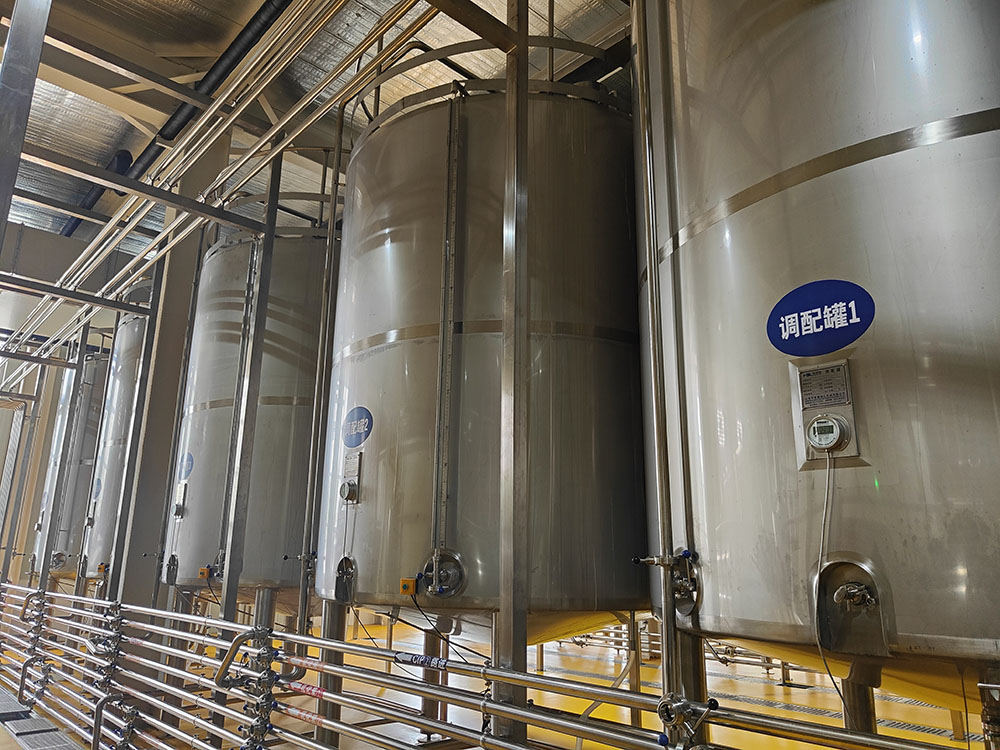
316L stainless steel contains chromium, nickel, and an additional 2–3% molybdenum. The “L” indicates low carbon content, which improves weldability and reduces the risk of intergranular corrosion.
316L sanitary tubes are widely used in:
For demanding environments, 316L sanitary tubes for food tanks are often the preferred choice.
The main difference between 304 and 316L sanitary tubes lies in corrosion resistance. While 304 performs well in most food applications, 316L offers enhanced protection against acids, salts, and chlorides due to the presence of molybdenum.
In food tanks that process acidic products or use aggressive cleaning chemicals, 316L sanitary tubes significantly reduce the risk of pitting and crevice corrosion.
Both 304 and 316L sanitary tubes can achieve smooth, polished inner surfaces suitable for hygienic applications. However, 316L maintains its surface integrity better over time in harsh cleaning conditions, supporting consistent hygiene performance.
Both materials are easy to weld and fabricate. The low carbon content of 316L improves weld quality and reduces corrosion risk at welded joints, making it especially suitable for complex food tank piping systems.
304 sanitary tubes are generally more cost-effective and widely available. 316L sanitary tubes are more expensive due to alloy content but offer better long-term value in aggressive processing environments.
When selecting between 304 vs 316L sanitary tubes for food tanks, consider the following factors:
In many food-grade tank systems, a combination of both materials may be used—304 for general pipelines and 316L for critical or high-risk sections.
Both 304 and 316L sanitary tubes are widely accepted under food industry standards when properly manufactured and finished. Polished inner surfaces, high-quality welds, and strict dimensional control are essential regardless of material grade.
Using certified sanitary tubes ensures compliance with food safety regulations and supports reliable operation of food processing tanks.
Both materials play an important role in modern food processing systems. 304 sanitary tubes for food tanks offer an economical and reliable solution for standard applications, while 316L sanitary tubes for food tanks provide superior performance in corrosive, high-temperature, or chemically aggressive environments.
By understanding the differences between 304 vs 316L sanitary tubes for food tanks, food manufacturers can make informed decisions that balance cost, hygiene, durability, and long-term system performance. Choosing the right material is a key step in building a safe, efficient, and compliant food-grade tank and piping system.
Learn More: Stainless Steel Piping Solution for Food Processing Tanks