From Practical Tank Design to Hygienic Operation
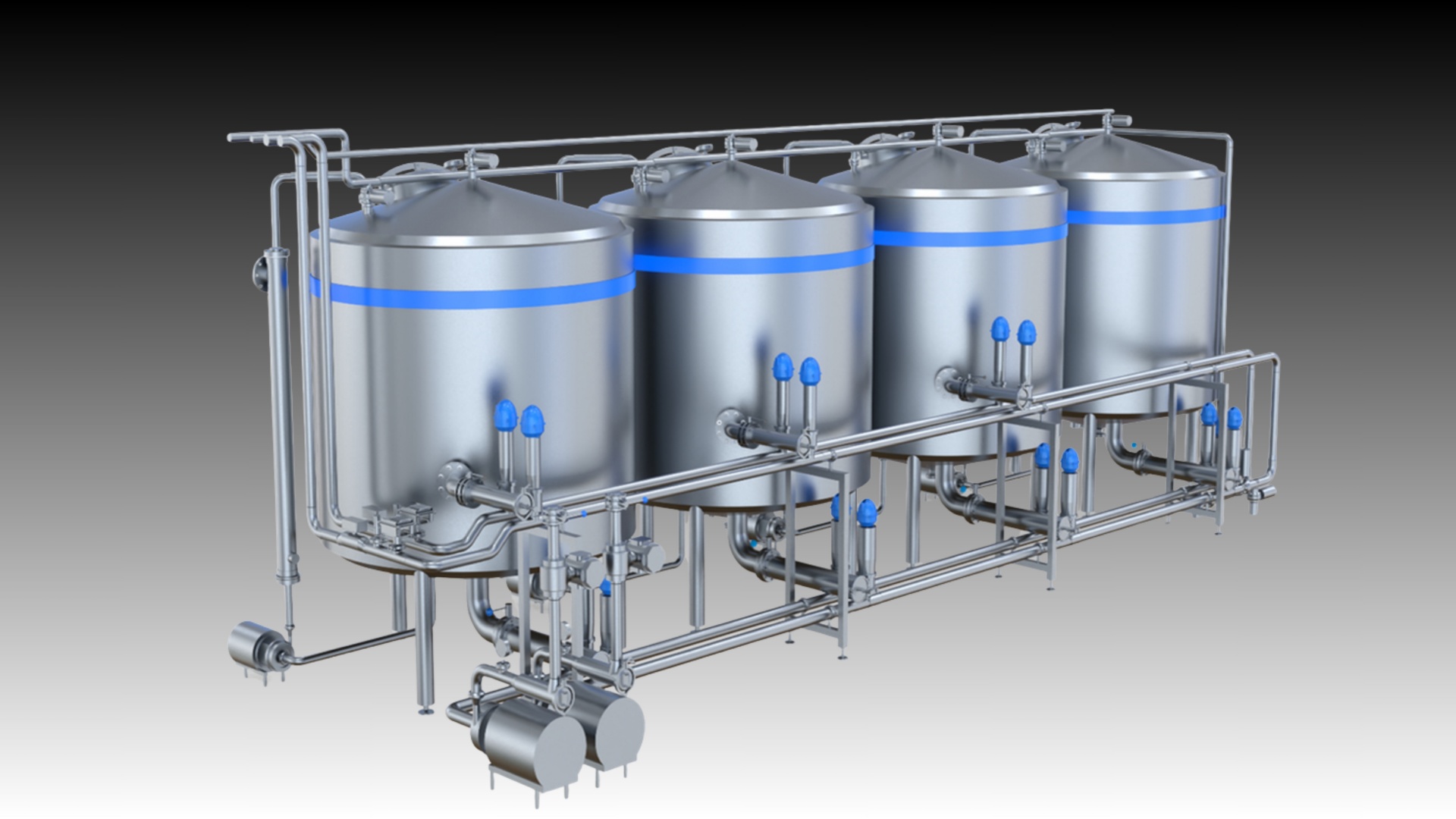
Stainless steel piping solution for food processing tanks plays a critical role in ensuring hygiene, product safety, and stable operation in food processing facilities. In many food tank projects, operational issues rarely originate from the tank itself. Instead, most hygiene risks, cleaning inefficiencies, and long-term maintenance problems are caused by improperly designed or mismatched piping systems connected to the tanks .In food processing tank projects, problems rarely come from the tank itself. Most issues appear after the system starts operating, especially in the piping connected to the tank.
Based on real food tank applications, common problems include:
- CIP cleaning that cannot fully remove residues
- Weld seams creating hidden dead zones
- Incorrect stainless steel grade selection leading to corrosion
- Too many pipe joints increasing contamination risk
These problems are not caused by poor materials alone, but by improper piping system design for food processing tanks. A stainless steel piping solution for food processing tanks must be designed around the tank process, not simply assembled from standard pipes.

Unlike general industrial piping, food tank piping systems must follow process logic and hygiene principles.
For food processing tanks:
Poor inlet or outlet design often results in product loss and cleaning difficulties, even when high-quality pipes are used.
In CIP and production circulation systems:
These details are critical for food processing tanks handling milk, beverages, sauces, or other liquid foods.
Instead of simply comparing materials, stainless steel grade selection should follow tank operating conditions.
304 stainless steel sanitary pipes are commonly used in:
In these cases, 304 provides sufficient corrosion resistance and stable performance.
316L stainless steel piping is preferred for:
In many food processing tank projects, selecting 316L for critical sections significantly reduces long-term maintenance risks.
Learn More: 304 vs 316L Sanitary Tubes for Food Tanks
Every weld inside a food processing tank piping system is a potential risk point.
To improve hygiene:
Fewer welds mean:
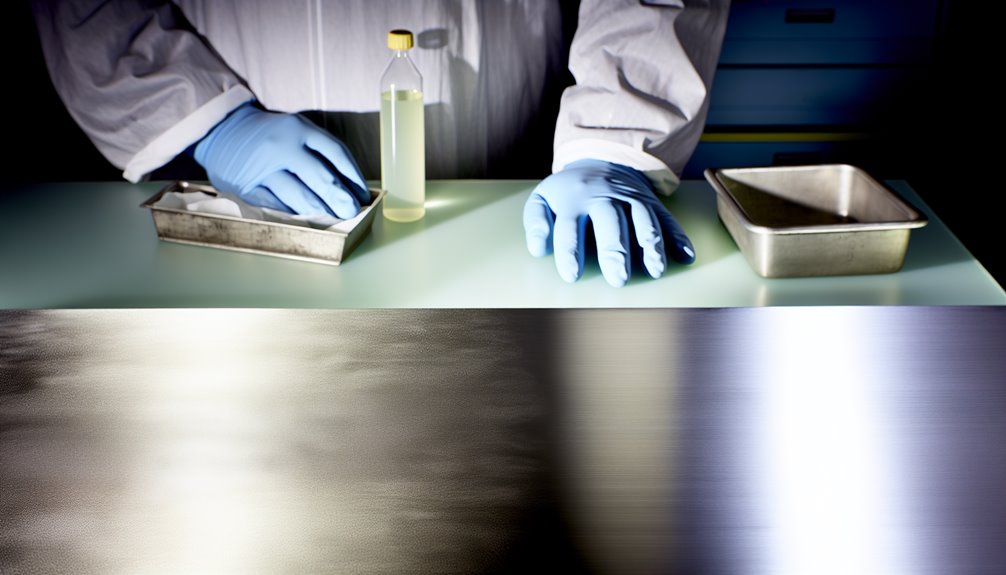
For food processing tanks and piping systems, surface finish directly affects cleanability.
Common finishes include:
Choosing the right surface finish is not about appearance, but about how easily residues can be removed during cleaning.

A stainless steel piping solution for food processing tanks must be fully compatible with CIP systems.
Key CIP-related requirements:
If the piping system is not designed with CIP in mind, even the best food processing tanks cannot maintain hygiene standards.
This type of piping solution is widely used in:
Each application requires small but important design adjustments based on product characteristics.
Supplying pipes alone is not the same as providing a stainless steel piping solution for food processing tanks.
A solution-focused approach includes:
This approach reduces system risks and improves project efficiency.
In food processing projects, stainless steel piping should never be treated as a standard accessory.
A well-designed stainless steel piping solution for food processing tanks:
Every stainless steel piping solution for food processing tanks requires a piping system that truly matches its process, product, and hygiene requirements.