Sanitary clamps are essential components in hygienic piping systems, widely used to connect pipes and fittings in industries that require strict cleanliness standards. These industries include food and beverage processing, dairy, pharmaceuticals, and biotechnology. The primary purpose of sanitary clamps is to create a secure, leak-proof, and easy-to-clean connection between two ferrules while maintaining the integrity of the fluid being transported.
Sanitary clamps work by holding ferrules and a gasket together. The gasket is compressed when the clamp is tightened, forming a tight seal that prevents leaks. This design allows for fast assembly, disassembly, and cleaning, which is essential for pipelines that carry consumable or sterile products.
Using sanitary clamps ensures reliable fluid transfer, reduces contamination risk, and facilitates routine maintenance without compromising hygiene. Their importance cannot be overstated in pipelines where sterility, food safety, or contamination prevention is critical.
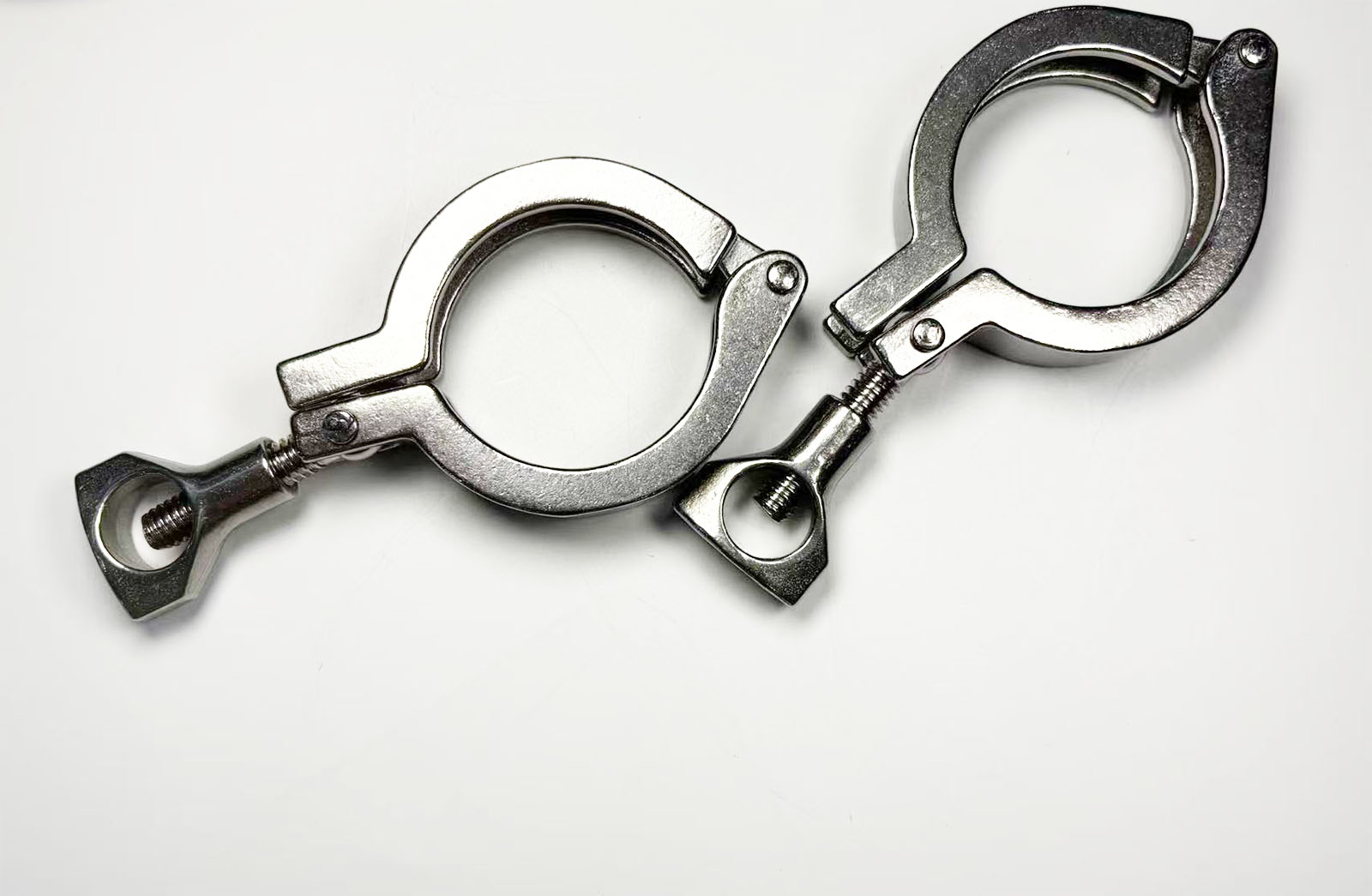
Sanitary clamps are manufactured according to strict international standards, ensuring reliability, hygiene, and compatibility. Choosing clamps that comply with recognized standards is crucial for regulatory compliance, safety, and optimal performance.
The 3A standard is commonly used in the United States dairy and food industries. It ensures sanitary clamps have smooth internal surfaces, hygienic design, and easy cleanability. This standard is particularly important in milk, juice, and beverage pipelines, where contamination can compromise product safety.
The SMS standard is popular in Europe for dairy, beverage, and pharmaceutical pipelines. SMS sanitary clamps are designed for precision, durability, and compatibility with other SMS fittings. They are ideal for pipelines requiring reliable, repeatable connections.
The DIN standard originates from Germany and focuses on high-quality manufacturing, interchangeability, and durability. DIN sanitary clamps are often used in systems that operate under varying pressures and temperatures and require long-term reliability.
ISO-compliant sanitary clamps meet international standards, ensuring compatibility worldwide. They are manufactured with stringent requirements for design, material quality, and performance, making them suitable for multinational operations and pipelines that adhere to global sanitary protocols.
Sanitary clamps are available in several types, each designed for specific pressure, application, and safety requirements. Choosing the right type is critical to ensure reliable performance and hygienic compliance.
Single-pin sanitary clamps are light-duty clamps used in low-pressure pipelines. Their simple design allows for quick assembly and disassembly, making them suitable for small pipelines, temporary setups, or low-cost systems. Single-pin clamps are ideal for non-critical applications where frequent maintenance is not required.
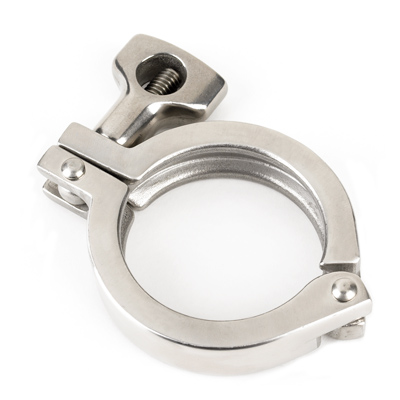
Double-pin sanitary clamps are stronger than single-pin clamps and are suitable for medium-pressure systems. They provide extra stability and security, which is important for pipelines that require frequent cleaning or disassembly. Double-pin clamps are commonly used in food, beverage, and cosmetic production.
High-pressure sanitary clamps are heavy-duty clamps designed for high-pressure pipelines. These clamps often use bolted or reinforced designs to prevent leaks. High-pressure clamps are ideal for industrial applications where safety and reliability are critical. They are commonly seen in pharmaceutical and biotech production lines with high-pressure cleaning systems.
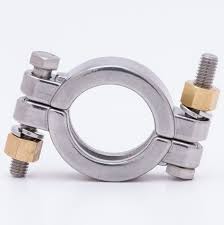
Safety clamps feature locking mechanisms that prevent accidental disassembly. They are widely used in critical pipelines where accidental release could cause contamination or process disruption. Safety clamps are preferred in pharmaceutical, biotech, and dairy industries where maintaining integrity is crucial.
Tri-Clamp, also called Tri-Clover clamp, is the most widely used type of sanitary clamp. Tri-Clamp fittings are compatible with 3A, ISO, and DIN standards, making them highly versatile. They are easy to install, remove, and clean, making them the preferred choice for food, beverage, pharmaceutical, and biotech applications. Tri-Clamp sanitary clamps are used in both high-volume processing pipelines and smaller laboratory setups.
| Clamp Type | Pressure Handling | Ease of Use | Typical Applications | Pros/Cons |
|---|---|---|---|---|
| Single-Pin | Low | Easy | Small pipelines, temporary setups | Affordable, quick assembly, less secure |
| Double-Pin | Medium | Moderate | Food, beverage, cosmetic lines | Stronger, stable, more secure |
| High-Pressure | High | Moderate | Industrial, biotech, pharma | Heavy-duty, reliable, higher cost |
| Safety Clamp | Medium-High | Moderate | Critical pipelines, pharma, biotech | Extra safety, prevents accidental release |
| Tri-Clamp | Low-Medium | Easy | Food, beverage, dairy, pharma, biotech | Highly versatile, easy to clean |
Tri-Clamp fittings are hygienic piping components consisting of a clamp, a gasket, and ferrules. They are widely used because of their ease of installation, cleaning, and leak-proof performance. Tri-Clamp fittings are a key part of sanitary clamp systems, offering versatility and durability for hygienic pipelines.
Tri-Clamp fittings are essential in pipelines carrying milk, juice, beer, and other beverages. They provide a sanitary, leak-proof connection, ensuring that fluid transfer is clean and contamination-free. Their design allows quick disassembly and cleaning, which is crucial in food processing operations that follow strict hygiene standards.
In pharmaceutical production, Tri-Clamp fittings ensure sterile fluid transfer. They withstand frequent cleaning and sterilization cycles without compromising the integrity of the system. Tri-Clamp fittings are widely used in pipelines transporting drugs, vaccines, and medical liquids.
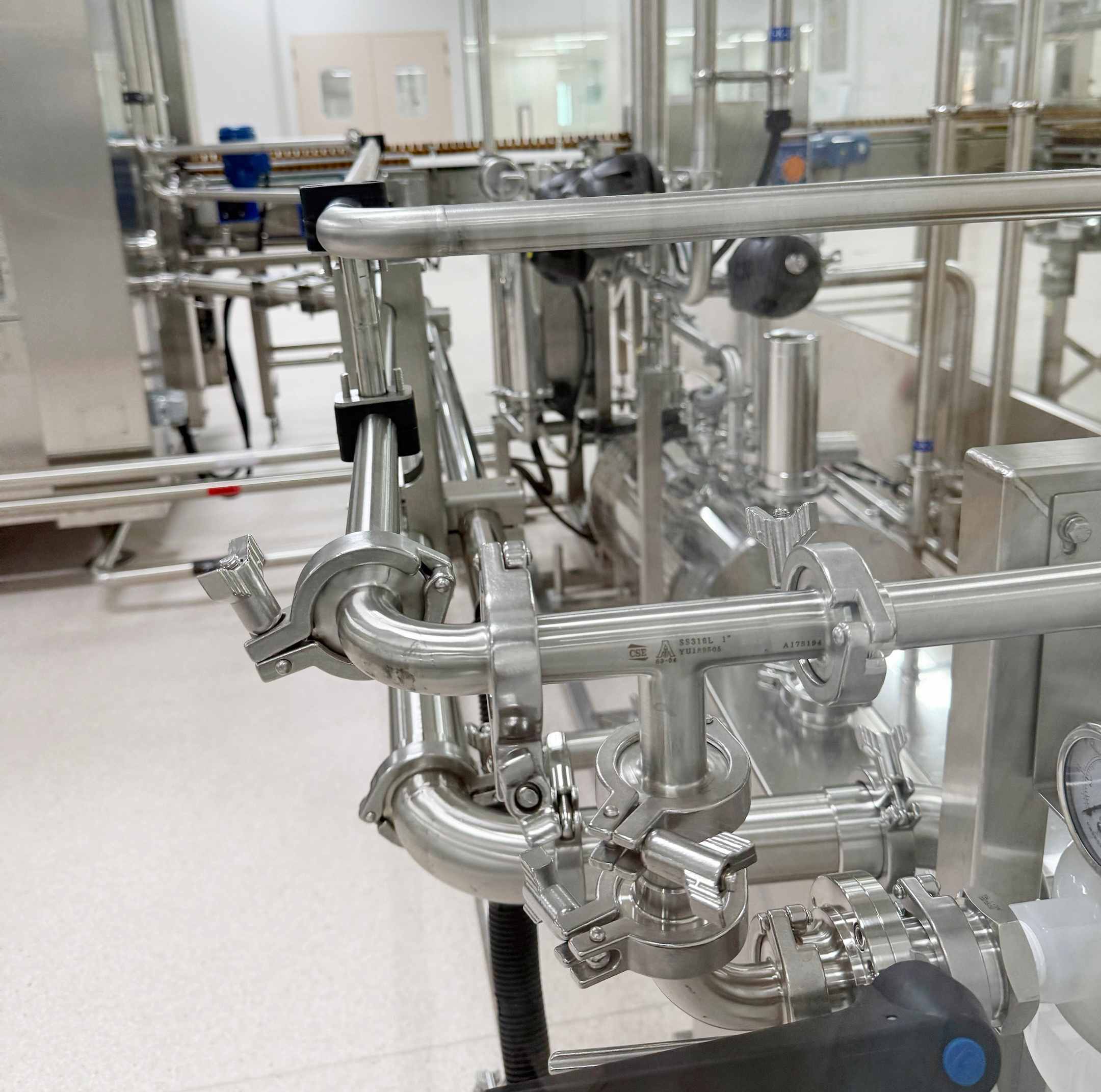
Tri-Clamp fittings are widely used in biotech labs and production facilities where hygienic handling of sensitive fluids is essential. These fittings maintain strict contamination control and are compatible with various sanitary standards. They are ideal for pipelines requiring precision, cleanliness, and safety.
Learn More: Troubleshooting 101: Common Issues and Solutions for Sanitary Stainless Steel Tube Systems
The clamp holds two ferrules and a gasket together, forming a secure and leak-proof connection. Tri-Clamps come in single-pin, double-pin, or high-pressure versions depending on pipeline requirements.
Gaskets are typically made from EPDM, silicone, PTFE, or Viton. They provide a tight, hygienic seal, preventing leaks and maintaining sanitary conditions in pipelines carrying consumable or sterile products.
Ferrules are the pipe ends connected by the clamp. They have smooth internal surfaces to prevent contamination and ensure compliance with hygienic standards.
Sanitary clamps allow quick assembly and disassembly, which reduces downtime during cleaning or inspections. This is particularly beneficial for food, beverage, and pharmaceutical industries where hygiene is critical.
Sanitary clamps are compatible with various pipe sizes, fittings, and sanitary standards, making them suitable for a wide range of applications. They are used in dairy pipelines, beverage systems, biotech labs, and pharmaceutical production lines.
The gasket design ensures a tight, reliable seal, preventing fluid leakage or contamination. Leak-proof sanitary clamps protect both product integrity and equipment safety.
Made from stainless steel, sanitary clamps are corrosion-resistant, strong, and long-lasting. They can withstand high pressure, frequent cleaning, and harsh environments, ensuring reliable performance for years.
Although high-quality sanitary clamps may have a higher initial cost, their durability, versatility, and ease of maintenance make them a cost-effective investment over time.
Sanitary clamps are critical components for hygienic pipelines, providing secure, leak-proof connections, ease of maintenance, and compliance with international standards. Tri-Clamp fittings are especially popular due to their versatility, durability, and hygienic design.
By understanding the types, standards, applications, and advantages of sanitary clamps, businesses can select the best clamp solution to ensure efficient, safe, and contamination-free operations in industries such as food, beverage, pharmaceutical, and biotechnology.
Using the right sanitary clamps improves process efficiency, reduces contamination risk, and simplifies maintenance, making them a critical investment for hygienic pipelines.