A hygienic tube reducer is one of the most essential components in any sanitary piping system used in food, beverage, dairy, brewery, pharmaceutical, and cosmetic production lines. Its main role is simple yet critical: it connects two pipes of different diameters while maintaining a smooth, contamination-free flow.
Because sanitary systems demand the highest level of cleanliness and corrosion resistance, the hygienic tube reducer plays an important part in ensuring product purity and system reliability.
Whether you are designing a new production line or upgrading an existing one, choosing the right hygienic tube reducer ensures proper flow control, prevents product buildup, and helps maintain hygienic standards required by global regulations. This blog provides a complete guide on what a hygienic tube reducer is, how it works, the types available, materials, standards, applications, and how to select the right one for your system.
A hygienic tube reducer is more than just a connector between pipes of different diameters. In sanitary engineering, it plays a critical role in maintaining smooth, contamination-free fluid flow throughout a processing system.
Key Functions
Smooth Flow Transition: Ensures a gradual change in pipe diameter, reducing turbulence and pressure fluctuations.
Prevents Stagnation: Minimizes areas where product can accumulate, lowering the risk of bacterial growth.
Maintains Consistent Flow: Supports uniform fluid movement, which is essential for product quality and process efficiency.
Compliance with Standards: Meets rigorous sanitary standards, including 3A and DIN, for hygienic applications.
In industries such as food, dairy, and pharmaceuticals, avoiding dead zones and buildup inside pipelines is crucial. A high-quality hygienic tube reducer features polished surfaces and a sanitary design, making it easy to clean during CIP (Clean-in-Place) or SIP (Sterilize-in-Place) processes while preventing bacterial contamination.
Different hygienic systems require different flow transitions. That is why several types of hygienic tube reducer are available. Choosing the right one can improve flow efficiency and reduce contamination risk.
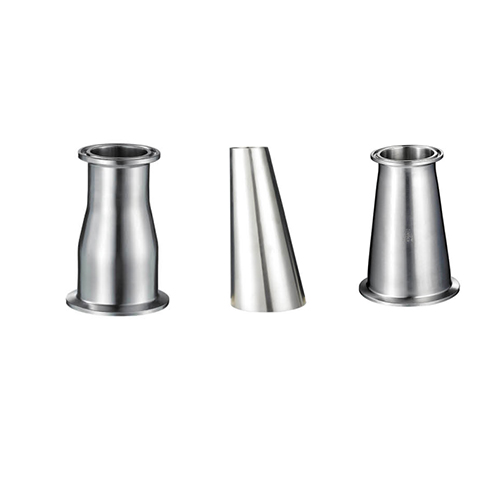
A concentric hygienic tube reducer has both ends aligned on the same central axis. This shape resembles a cone.
Centerlines of both pipes remain aligned
Smooth and stable flow pattern
Ideal for vertical piping systems
Best used for downward flow where liquid can naturally drain
Beverage processing lines
Dairy products such as milk, yogurt, and cream
Pharmaceutical liquid distribution
Cosmetic lotion and gel production
The concentric type is the most commonly used hygienic tube reducer, especially in systems where maintaining symmetric flow is important.
An eccentric hygienic tube reducer has one offset side, meaning one end is not aligned with the other.
Eliminates air pockets in horizontal pipelines
Prevents pooling and contamination
Maintains consistent top or bottom pipeline alignment
Helps avoid cavitation in pumps
Horizontal sanitary pipelines
Pump suction lines
Brewery and wine processing systems
In sanitary environments, an eccentric hygienic tube reducer is often chosen when hygiene and drainage are critical in horizontal pipe layout.
It come in different connection types and standards.
Clamp reducers are easy to assemble and disassemble, making them ideal for equipment that requires frequent cleaning, commonly used in food, dairy, and biotech.
provide a strong, permanent seal, suitable for high-pressure or long-term lines with lower contamination risk.
The material of a hygienic tube reducer directly affects its hygiene, corrosion resistance, and durability.
316L is generally preferred for high-standard sanitary systems due to its superior corrosion resistance, while 304 is commonly used for standard food and beverage applications.
A hygienic tube reducer may follow one or more of the following standards:
3A Standard – U.S. sanitary standard for the dairy industry
DIN 11850 / DIN 11851 – German hygienic pipe standard
SMS 1145 – Common in European food systems
ISO 2037 – International stainless steel tube standard
– British standard for hygienic fittings
These standards regulate dimensions, surface roughness, material, and pressure ratings.
Most manufacturers supply hygienic tube reducers with:
OD: 19mm to 219mm ; Inches: 1" to 8" ; Thickness: 1.0mm, 1.2mm, 1.5mm, 2.0mm
Reducer ratio: From small transitions like 2" x 1.5" up to large industrial reducers
Because processing systems vary widely, custom sizes are also commonly available.
High-quality surface finishing is essential in any hygienic tube reducer.
Stainless steel sheets or tubes are formed into reducer shapes using hydraulic forming or spinning.
A smooth, defect-free weld ensures no cracks or gaps where bacteria can grow.
Polishing reduces surface roughness to hygienic requirements.
Typical finishing levels include:
Ra ≤ 0.8 μm (sanitary-grade)
Ra ≤ 0.4 μm (pharmaceutical-grade)
Chemical treatment enhances corrosion resistance and restores the protective chromium layer.
By combining precise forming with high-grade finishing, a hygienic tube reducer can maintain consistent product quality throughout its service life.
A high-quality hygienic tube reducer offers many performance and safety advantages:
Reduces sudden changes in velocity, enhancing flow stability.
Highly polished surfaces prevent residue buildup and allow efficient CIP/SIP processes.
No dead angles or rough surfaces that could trap bacteria.
Stainless steel (especially 316L) resists chemicals, acids, and cleaning agents.
Suitable for high pressure, temperature variations, and continuous production.
Easily integrates into existing sanitary equipment and pipe systems.
Lower maintenance and longer lifespan compared to non-hygienic components.
These advantages make the hygienic tube reducer a vital part of any clean-processing system.
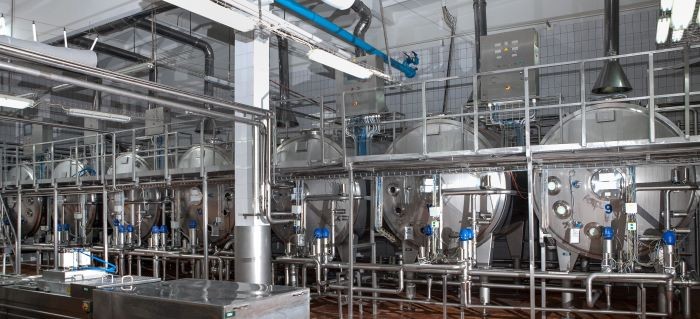
Because it maintains clean and efficient flow, the hygienic tube reducer is widely used in industries where purity and cleanliness are critical.
Juice, soft drinks, tea, coffee ,sauces and condiments , bottling lines, edible oil and syrup systems
Milk processing, cheese and yogurt production, ice cream manufacturing, cream and butter systems
Beer brewing, distilling fermentation lines ,wine processing
Liquid medicine production, purified water distribution , vaccine manufacturing , sterile chemical mixing
Creams, lotions, perfume and essential oil production
In each of these industries, a hygienic tube reducer ensures that fluid transfer remains clean and efficient.
Selecting the correct hygienic tube reducer is essential for long-term performance.
Choose the correct inlet and outlet sizes based on system requirements.
Ensure compatibility with existing fittings:
3A, SMS, DIN, ISO, BS
Clamp for easy cleaning
Welded for permanent lines
Threaded for specific systems
Concentric for vertical lines
Eccentric for horizontal lines to prevent air pockets
Hygienic requirements typically require:
Ra ≤ 0.8 µm
Ra ≤ 0.4 µm for pharmaceutical systems
Look for products that meet:
FDA food safety requirements
3A hygienic standards
EU food-contact regulations
A high-quality hygienic tube reducer ensures safe fluid handling and long-lasting performance.
Vinmay, as a leading manufacturer of stainless steel sanitary tube and fittings, offers high-quality hygienic tube reducers designed for global sanitary applications.
Advanced production technology
Strict polishing and finishing standards
High-quality 304 and 316L stainless steel
Compliance with 3A, DIN, SMS, ISO standards
Strong corrosion resistance
Stable supply capacity and fast delivery
Widely used in food, dairy, brewery, and pharmaceutical factories
Whether you need clamp reducers, welded reducers, eccentric or concentric types, Vinmay provides reliable, hygienic solutions tailored to your production needs.
A hygienic tube reducer is a vital fitting in any sanitary processing system. It ensures smooth flow, prevents contamination, and supports a wide range of applications across food, dairy, brewery, cosmetic, and pharmaceutical industries. By choosing the right type—concentric or eccentric—and ensuring the correct material, standard, and surface finish, you can greatly improve your system’s efficiency and hygiene level.
For businesses seeking high-quality, durable, and hygienic stainless steel fittings, Vinmay’s hygienic tube reducers offer excellent performance, compliance, and long-term reliability. Investing in the right hygienic tube reducer is investing in the safety, quality, and efficiency of your entire production line.