Choosing the right sanitary fitting supplier is one of the most critical decisions in designing and maintaining hygienic process systems. The quality of the fittings, their compatibility with your system, and the reliability of your supplier directly impact not only the performance of your system but also its long-term compliance with industry standards and hygiene regulations.
While price and availability often dominate the decision-making process, supplier reliability and the ability to meet specific technical requirements should be the primary focus. In sanitary systems, where every connection matters, even slight inconsistencies can lead to costly failures, compliance issues, or operational downtime.
In this guide, we’ll explore how to evaluate sanitary fitting suppliers by focusing on key capabilities, common supplier shortcomings, and best practices for ensuring that the supplier you choose can meet the demands of your hygienic process systems without compromising performance or compliance.

When it comes to sanitary fittings, not all suppliers are created equal. The right supplier will consistently deliver fittings that meet stringent dimensional, surface, and manufacturing standards — ensuring that the final product performs reliably in hygienic environments. For process systems where hygiene and compliance are non-negotiable, suppliers must demonstrate a strong commitment to quality control across every batch.
One of the most fundamental aspects of a reliable sanitary fitting supplier is dimensional consistency. Small discrepancies in the diameter, wall thickness, or overall shape of fittings can lead to significant issues when assembling systems, such as difficulty achieving tight seals, leakage, or even structural integrity failures.
A supplier must have a robust process for maintaining tight tolerances throughout their production runs, ensuring that each fitting is consistent with the last — and that all components fit together as designed.
In hygienic systems, a fitting's surface finish is just as important as its physical dimensions. A smooth internal surface (measured by the Ra value) is crucial for preventing product contamination, reducing the risk of biofilm buildup, and ensuring ease of cleaning during CIP (clean-in-place) cycles.
Suppliers must have established processes to guarantee repeatability in surface finishes, especially across large order volumes. Any variations in finish could compromise the performance of the entire system, making consistency a critical capability for suppliers to demonstrate.
Welds play a pivotal role in the overall quality and reliability of sanitary fittings. Poor weld quality can lead to cracks, stress points, or leakage, compromising both the performance of the system and its ability to withstand cleaning cycles. A reputable supplier will ensure that all welds are properly executed, with smooth internal joints that won’t trap residue or bacteria.
A seamless transition between welded components ensures that the fitting maintains its integrity even under high-pressure and high-temperature conditions typical of sanitary systems.
Traceability is a key aspect of supplier reliability, especially when dealing with sanitary systems. In the event of system failure, equipment audits, or regulatory inspections, it is critical to be able to trace each fitting back to its source batch and manufacturing records.
A trustworthy supplier will provide comprehensive documentation for each fitting, including mill test reports, material certificates, and other required compliance documents. This transparency helps buyers ensure that their supplier meets all necessary regulatory standards and provides the accountability needed to keep operations running smoothly.
Sanitary fittings are a long-term investment, and the right supplier can deliver not only consistent product quality but also reliable delivery schedules throughout a project. Supply chain stability ensures that stockouts or delays don’t derail your project timeline.
Suppliers with a proven track record of consistent, on-time delivery are more likely to provide the reliability necessary to meet ongoing maintenance and expansion needs. A supplier’s ability to scale with your project and maintain product availability is key to avoiding downtime or costly delays in the future.
Even the most reputable suppliers may struggle to meet the high standards required for hygienic process systems. It’s crucial for buyers to recognize potential weak points that could compromise the overall quality of the system. Some suppliers may excel in one area, but fail in others — leading to discrepancies that could cause operational disruptions or even system failure.
One of the most common pitfalls is inconsistent tube sourcing. Tubes are the foundation of any sanitary system, and variations in their quality can significantly impact the overall performance of the fitting. Suppliers who do not control the tube production process or rely on multiple, unverified sources for raw material often introduce inconsistency in tube thickness, surface finish, or material grade.
These discrepancies, when combined with fittings, can cause issues like poor sealing or unexpected wear and tear, increasing the risk of contamination.
Weld quality is paramount in the production of sanitary fittings. A poor weld can create stress points, cracks, or leaks that compromise the entire system. Suppliers who don’t implement strict welding standards or don’t test each weld for integrity increase the risk of product failure.
In sanitary systems, the smallest flaw can harbor bacteria or result in a compromised seal, which may lead to expensive downtime and lost production. Ensuring consistent, high-quality welding practices is non-negotiable for any reliable sanitary fitting supplier.
Certificates of compliance are meant to provide confidence that a fitting meets the necessary standards, but sometimes suppliers provide documentation that doesn't align with the actual product. This discrepancy can occur due to mistakes during the documentation process or, in the worst case, deliberate misrepresentation.
The risk here is not only in failing to meet regulatory standards but also in the potential for non-compliance to jeopardize the entire system’s performance and certification. It’s crucial to verify that the products you receive match the documentation provided by the supplier.
Supplier audits are a crucial part of maintaining long-term system compliance, especially for industries that operate under stringent regulations, such as food and beverage or pharmaceuticals. Suppliers who cannot provide sufficient documentation for reorders or cannot meet audit demands create unnecessary risk for their clients. The inability to trace back products to specific production batches or to provide full transparency on the manufacturing process can lead to serious issues during audits.
A reliable sanitary fitting supplier must be able to meet audit requirements and provide ongoing support for reorders without compromising product availability.
Choosing the right sanitary fitting supplier isn’t just about picking the cheapest option. To ensure the success of your hygienic system, you must take a strategic approach when qualifying suppliers. This process involves evaluating key attributes that go beyond price alone, ensuring that the supplier meets the technical and regulatory requirements necessary for maintaining system integrity.
Before placing an order, it’s essential to assess a supplier’s ability to meet your specific requirements. Start by evaluating their quality assurance processes, technical expertise, and compliance with relevant standards. This evaluation can involve reviewing previous projects, asking for product samples, or verifying their certifications.
Suppliers who are transparent about their manufacturing process and have a track record of successfully fulfilling similar projects are more likely to deliver on time and meet expectations.
Once you’ve identified a potential supplier, verifying their quality control systems is critical. This includes ensuring that the supplier consistently follows strict guidelines for material sourcing, production processes, and testing. Request information about their internal testing procedures, and ask if they can provide independent verification of their quality standards.
A reliable supplier will be able to demonstrate their commitment to quality control, giving you the confidence that their products will meet the requirements for your system.
Sanitary fitting suppliers must also be evaluated on their ability to meet delivery timelines. Delays in supply can halt operations, cost money, and disrupt project schedules. Ensure that the supplier can provide realistic lead times, especially for large or custom orders.
Flexibility is also key — a supplier who can quickly adjust to changes in volume or schedule will help prevent delays and ensure smoother project execution.
Finally, it’s important to assess the supplier’s experience in your specific industry. Suppliers who specialize in pharmaceuticals, food & beverage, or chemical industries may be more equipped to handle your specific requirements.
If a supplier has a proven track record in your industry, they will likely understand the unique challenges of designing and maintaining sanitary systems that meet regulatory standards. Prioritize suppliers who have experience with similar projects and can demonstrate success in handling the particular demands of your field.
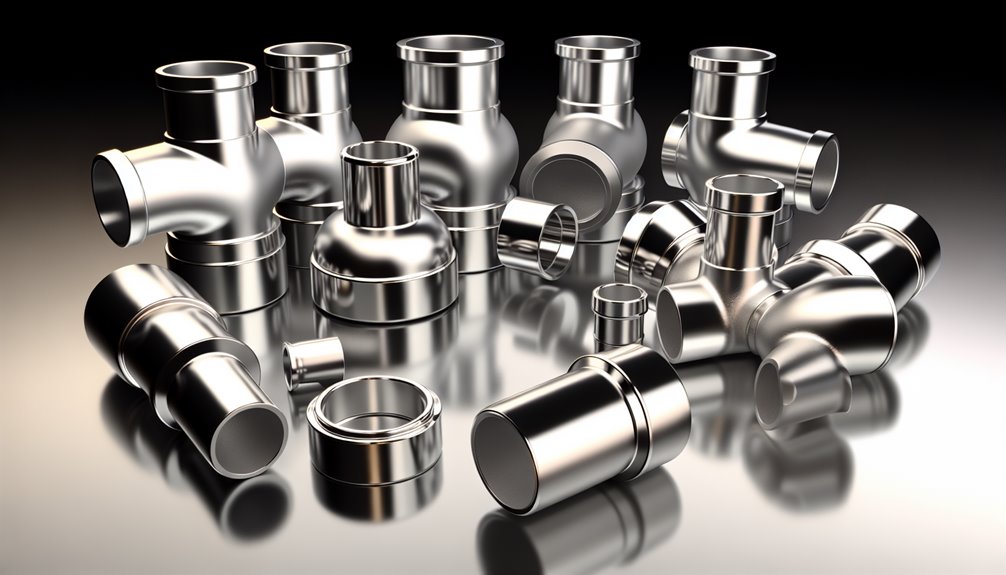
When selecting a sanitary fitting supplier, product range should not be your primary consideration. While a wide catalog of products may appear appealing, it’s manufacturing control that truly defines a reliable supplier. A supplier who focuses on consistent production processes and tight control over every aspect of manufacturing will be far more valuable than one who offers an extensive, but inconsistent, product range.
A supplier that offers a vast array of products may be trying to cover multiple markets or industries. However, this often comes at the expense of consistency and specialization. Suppliers who focus on specific systems or product categories tend to have deeper expertise and can offer better quality control.
For example, a supplier specializing in sanitary fittings will have a more reliable process for ensuring dimensional accuracy, weld integrity, and surface finish consistency than a supplier who carries fittings for multiple, non-hygienic applications. It's important to prioritize depth of expertise in your specific need over breadth of catalog.
The key to reliable sanitary fittings lies in the raw materials used during manufacturing. A supplier with upstream control over tube production ensures that the starting material is free from defects, maintains consistent wall thickness, and meets the required standards for cleanability.
If the supplier does not control this process or rely on a third-party tube supplier, the risk of material inconsistencies increases. This can lead to poor-fitting joints, inconsistent sealing, or incomplete CIP cleaning, all of which can impact the long-term performance of the system. Suppliers with full manufacturing control can guarantee that every fitting meets the same high standards across batches.
Suppliers that specialize in hygienic systems or sanitary fittings typically have more focused and refined manufacturing processes. They will be better equipped to maintain tight control over the entire production process, from raw material selection through to final testing. This specialization enables them to offer consistent quality in every batch, improving the reliability of your entire system. Suppliers who focus on a limited product range often invest more in quality assurance, testing, and supplier audits, ensuring that their products meet the specific needs of hygienic processes.
By choosing a supplier with strong manufacturing control, you reduce the risk of encountering issues such as dimensional discrepancies, inconsistent surface finishes, and weld defects, all of which can lead to increased downtime, rework, and maintenance costs.

Choosing the right supplier also involves understanding how metric and inch-based systems differ, particularly when it comes to fittings. Both systems are widely used, but they come with distinct differences that can impact the performance and compatibility of your sanitary systems.
It is crucial that your supplier understands the differences between metric and inch-based fittings. The standards used in metric systems, such as DIN and EN, have specific tolerances, geometries, and seal types that are different from those found in inch-based systems.
If a supplier is not well-versed in these standards, there is a risk that they will provide fittings that are incompatible with your system, leading to potential installation issues, leaks, or compliance problems.
A supplier who is knowledgeable about both metric and inch-based systems will ensure that you receive fittings that meet the correct specifications, reducing the likelihood of errors during installation and system failure.
One of the most common problems in sanitary systems is the mixing of metric and inch-based fittings. These systems often look similar in dimensions, but there are crucial differences in the way the fittings are manufactured and the seal tightness that they provide. When these fittings are mixed, even small discrepancies can result in poor sealing, leaks, and compliance issues during audits.
It's critical that suppliers provide fittings that are fully compatible with the system you are working with, whether it's metric or inch-based. Mixing these systems can compromise the entire piping system and lead to increased maintenance costs, regulatory fines, and operational downtime.
To avoid the issues associated with incompatible fittings, work closely with your supplier to ensure compatibility between the fittings and piping. Always verify that the supplier is using the correct system standards for your application, and ensure that the fittings are specifically designed to work with your piping system.
Whether your system uses metric tubing, inches, or a combination, it is essential to check that the tolerances, seal types, and geometry align correctly. A reliable supplier will be able to offer clear guidance on ensuring full compatibility and help avoid any misalignment during the installation or operation of your sanitary systems.
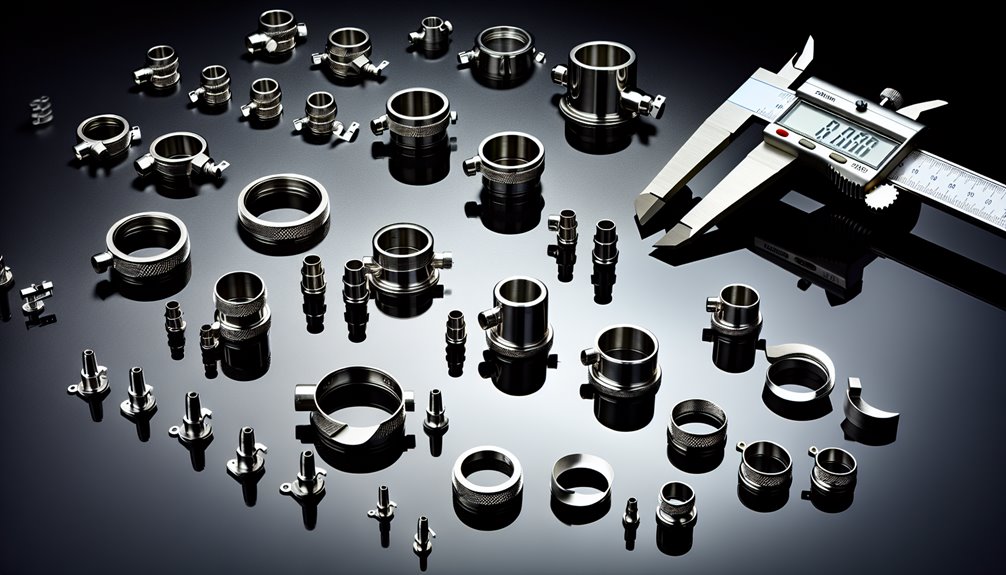
Choosing a sanitary fitting supplier is not a decision to be taken lightly. The right supplier will provide more than just products — they will act as a partner in ensuring that your system functions smoothly, efficiently, and in compliance with industry standards. Supplier selection is a long-term decision, and it’s crucial to work with suppliers who are knowledgeable, transparent, and committed to maintaining system integrity.
Sanitary fitting suppliers play a significant role in the long-term success of your process systems. By understanding the core capabilities that make a reliable supplier, recognizing potential weaknesses in suppliers, and qualifying suppliers before making an order, you can reduce the risk of system failures, compliance issues, and operational disruptions.
At Vinmay, we are committed to providing high-quality sanitary fittings that meet the strictest industry standards. With our focus on precision manufacturing, documented traceability, and reliable supply chain management, we are your trusted partner for sanitary systems that require uncompromising performance and reliability.
Ready to choose a reliable sanitary fitting supplier for your next project? Contact Vinmay today to learn more about our products, request samples, or get a quote.